Latest Scientific Discoveries

All News →
How did the biggest crypto heist in history just happen?
Science News

How did the biggest crypto heist in history just happen?

Binance is the biggest cryptocurrency exchangeZUMA Press Wire/Shutterstock The world’s largest cryptocurrency exchange Binance has been hit with the biggest ever cryptocurrency heist, in which billions of dollars of reserves were drained in just 20 minutes. From 8:05pm on 29 October, $6.36 billion in cryptocurrencies were shifted from wallets in a coordinated attack believed to have originated from a North Korean-linked hacking unit called TraderTraitor. This group was also behind a $1.5 billion hack of the Bybit crypto exchange in February 2025. The US Treasury has previously said that such stolen funds are used to finance North Korea’s nuclear missile programme. Advertisement if( window?.a...

📅 2026-10-30 12:40:12    •    New Scientist

Type 2 diabetes breakthrough as 54% achieve remission in just 6 months
Science News

Type 2 diabetes breakthrough as 54% achieve remission in just 6 months

A promising new study suggests that more than half of younger adults with type 2 diabetes could achieve remission in just six months through a combination of a low-calorie diet and structured exercise. Researchers found that 54% of participants under age 45 who followed an intensive diet and exercise program achieved remission, compared with just 4% receiving usual care.

📅 2026-10-30 12:12:46    •    ScienceDaily
Physicists created a tiny universe and watched time emerge without a clock
Science News

Physicists created a tiny universe and watched time emerge without a clock

Scientists have created a miniature universe in the laboratory that could help answer one of the biggest mysteries in physics: What is time, and where does it come from? Using 24,000 ultracold atoms, a University of Birmingham researcher built an isolated quantum system that repeatedly expands and contracts, mimicking the Big Bang and a possible Big Crunch. Remarkably, the experiment showed that time could emerge from changes happening inside the system, without relying on an external clock.

📅 2026-10-30 11:42:36    •    ScienceDaily
The asteroid killed the dinosaurs. Why did crocodiles survive?
Science News

The asteroid killed the dinosaurs. Why did crocodiles survive?

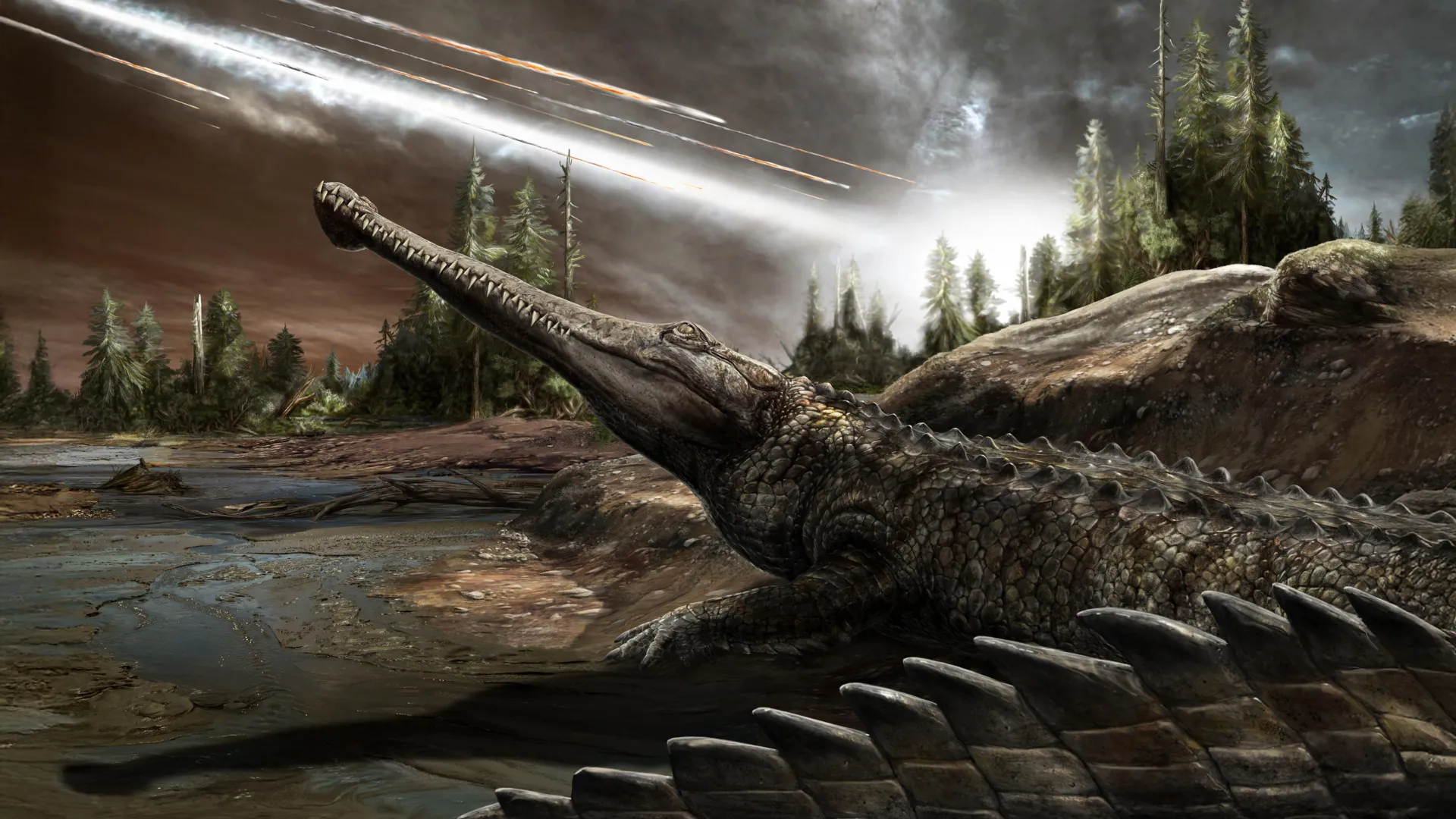
Scientists may have solved a 66-million-year-old mystery: how crocodiles survived the asteroid that wiped out the dinosaurs. A sweeping analysis of fossils and ancient climates suggests that their preference for warm environments placed them in tropical refuges that remained habitable even after the catastrophic impact.

📅 2026-10-30 11:34:16    •    ScienceDaily
A computer scientist breaks through a limit that stood since 1996
Science News

A computer scientist breaks through a limit that stood since 1996

A computer scientist has achieved a breakthrough in a nearly 25-year-old problem involving how computers calculate distances across enormous networks. The new algorithm delivers more reliable estimates for closely connected points without sacrificing speed, overcoming a longstanding limitation of earlier methods. Its secret lies in a smarter way of sampling network connections at multiple scales.

📅 2026-10-30 11:08:52    •    ScienceDaily
Hubble reveals a stunning twist in how the universe emerged from darkness
Science News

Hubble reveals a stunning twist in how the universe emerged from darkness

A surprising discovery by astronomers using the Hubble Space Telescope is challenging a leading explanation for how the early universe emerged from a dense fog of hydrogen roughly 13 billion years ago. Scientists once believed powerful winds from exploding stars helped radiation escape galaxies and clear that cosmic fog, but new observations reveal that these winds actually block radiation instead.

📅 2026-10-30 10:50:22    •    ScienceDaily
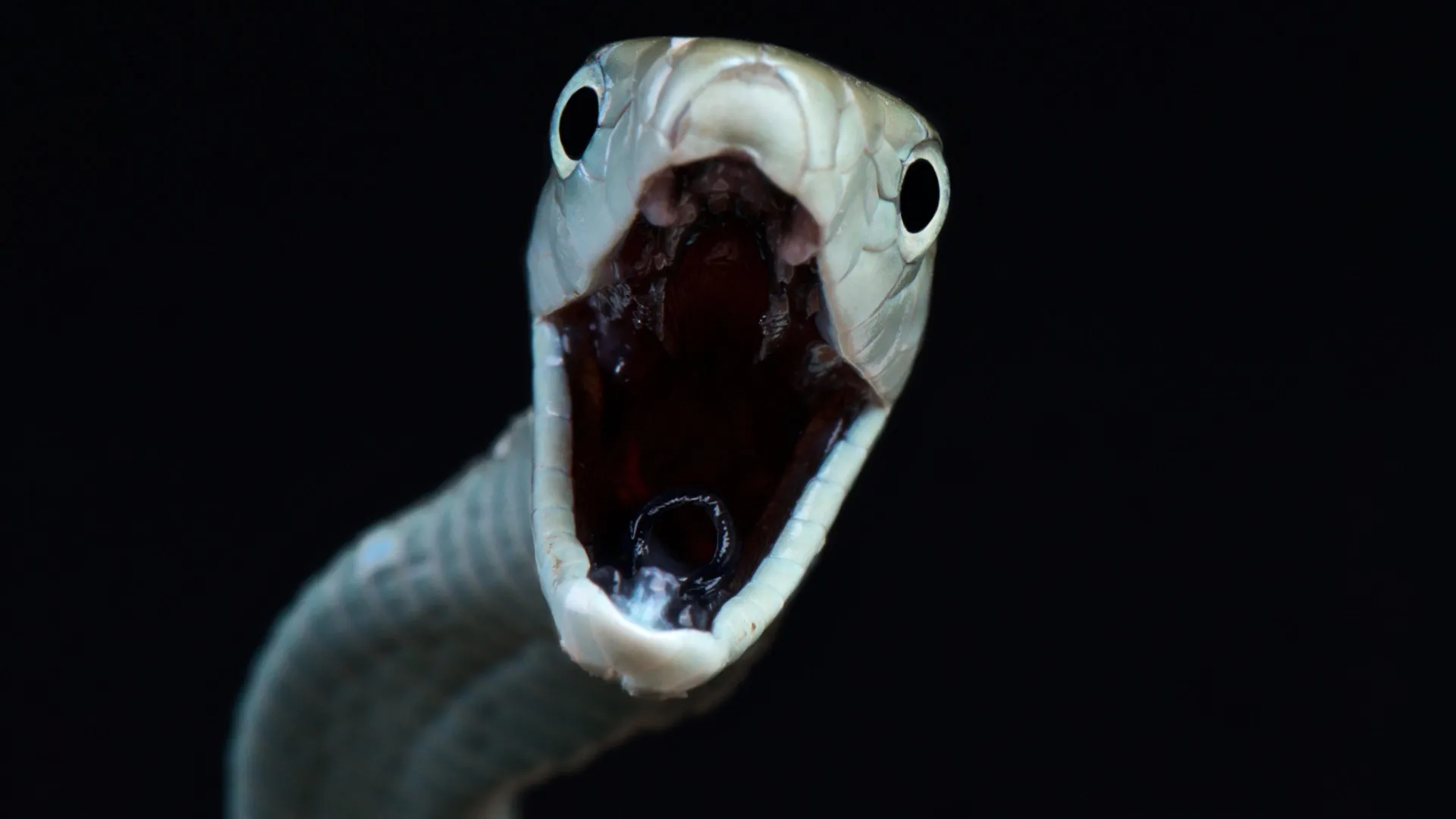
Scientists reveal a hidden snakebite crisis killing up to 513,000 people a year
Science News

Scientists reveal a hidden snakebite crisis killing up to 513,000 people a year

A startling new study suggests that venomous snakebites are killing far more people worldwide than official statistics indicate, with an estimated 274,000 to 513,000 deaths every year. Researchers found that as many as 7 million people could suffer snake envenoming annually, while more than 800,000 survivors are left with long-term disabilities.

📅 2026-10-30 10:37:00    •    ScienceDaily
Why some “lower-risk” childhood cancers turn deadly
Science News

Why some “lower-risk” childhood cancers turn deadly

Scientists have uncovered hidden aggressive cancer cells in children whose tumors were previously considered lower risk, revealing why some cases of rhabdomyosarcoma become unexpectedly deadly. The discovery could help doctors identify dangerous tumors earlier and develop personalized treatments that improve survival while reducing unnecessary chemotherapy.

📅 2026-10-30 10:15:28    •    ScienceDaily
Could AI ever build itself? Scientists map the road to the 'last AI built by humans.'
Science News

Could AI ever build itself? Scientists map the road to the 'last AI built by humans.'

Scientists in China are exploring what it would take to develop "the last AI built by humans" — a powerful, self-improving artificial intelligence (AI) system capable of creating its own successors.In a new paper, researchers examine how approaches to recursive self-improvement (RSI) could help tackle the rising financial and computational costs of developing ever-more advanced AI models.RSI refers to the idea that future AI models could direct their own training and development, using what they learn from each round of improvements to guide subsequent rounds of development.This recursive feedback loop could eventually enable AI systems to develop newer, more powerful generations of models w...

📅 2026-10-30 10:00:00    •    Live Science