Latest Scientific Discoveries

All News →
Scientists confirm fruit and vegetable skin really is good for you
Science News

Scientists confirm fruit and vegetable skin really is good for you

Fruit and vegetable skin is often rich in fibreEkaterina Vasileva-Bagler/Getty Images Some people are convinced that fruit and vegetable skin is particularly nutritious, and now scientists have confirmed the idea. They have discovered that these parts of fruits and vegetables often contain far more fibre than the flesh we normally consume. The finding suggests cooks are unwittingly discarding fibre-rich food by chucking out the seeds, skins and stems of fruits and vegetables when preparing a meal. Home cooks and caterers should adopt “root to tip” eating and start cooking with squash peel, watermelon rind and pepper stalks to improve the public’s intake of dietary fibre, the team says. Adver...

📅 2026-10-30 09:49:57    •    New Scientist
Read an extract from Dark Eden by Chris Beckett
Science News

Read an extract from Dark Eden by Chris Beckett

The New Scientist Book Club is reading Dark Eden by Chris Beckett We went out by a path that led through a big clump of flickering starflowers and then into Batwing. A whole bunch of Batwing grownups and newhairs were in their clearing banging away at a giant redlantern tree with their blackglass axes, working in the pink light of its flowers. We walked round the edge of their clearing to Family Fence, dragged away the branches at the opening, and went out into open forest. No more shelters and campfires ahead of us now: nothing but shining trees. Hmmmph, hmmmph, hmmmph, went the trees. Hmmmmmm, went forest. We walked for a waking under the light of the treelanterns, slashing down whatever b...

📅 2026-10-30 09:30:00    •    New Scientist
In Dark Eden, I imagined how life might exist on a sunless planet
Science News

In Dark Eden, I imagined how life might exist on a sunless planet

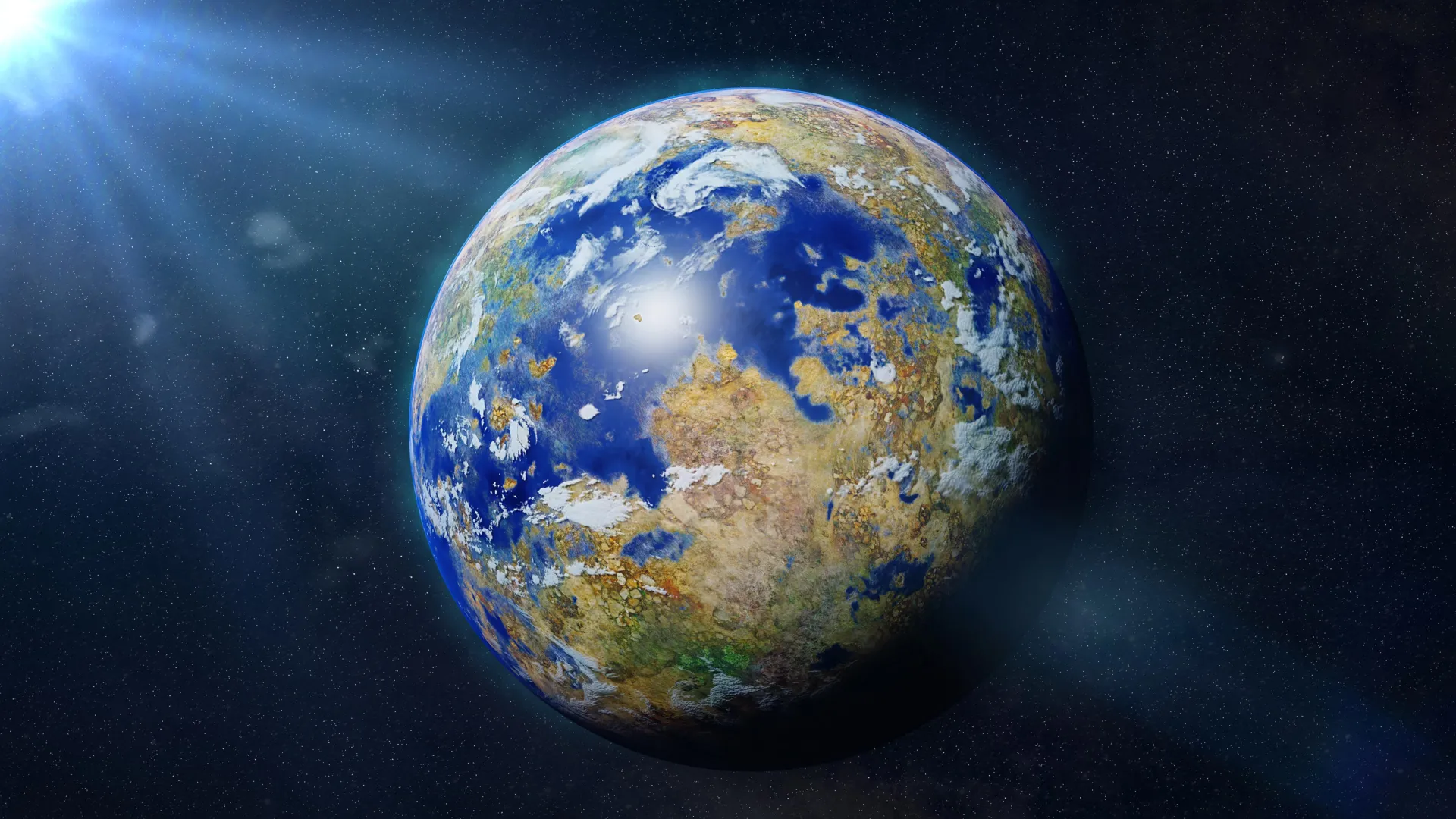
Eden, the planet in Chris Beckett’s Dark Eden, drifts outside the Milky WayMcCarthy's PhotoWorks/Shutterstock I came up with the idea of the planet Eden in 1992 for a short story called The Circle of Stones. At that time, I had no idea that there really were such things as planets without suns, but it seemed likely to me. It also seemed possible to me that life might arise on such a planet, since, even here on Earth, whole ecologies thrive without sunlight around thermal vents in the deep ocean. Life on Earth may have even have begun in such places. Quite often, if something seems likely, it does indeed happen. (In another book, I predicted that a US president would one day seek to take over...

📅 2026-10-30 09:30:00    •    New Scientist
The 12 strangest science stories we can’t stop thinking about
Science News

The 12 strangest science stories we can’t stop thinking about

A male Amazon river dolphin (Inia geoffrensis) urinating into the air There are some stories that stay with you forever, the big scientific moments that change the course of history. These are not those moments – but we can’t stop thinking about them anyway. Push my button Surgeon Stuart Meloy was performing a pain-relief operation on a woman’s spine when she started exclaiming emphatically. “You’re going to have to teach my husband to do that,” the woman said. This inspired Meloy to invent an implant to help women who are unable to achieve orgasms in the usual way. New Scientist broke the news in 2001, sparking a frenzy of worldwide media excitement. But 13 years later, Meloy was still stru...

📅 2026-10-30 07:00:00    •    New Scientist
Astronauts just gave the International Space Station a powerful upgrade
Science News

Astronauts just gave the International Space Station a powerful upgrade

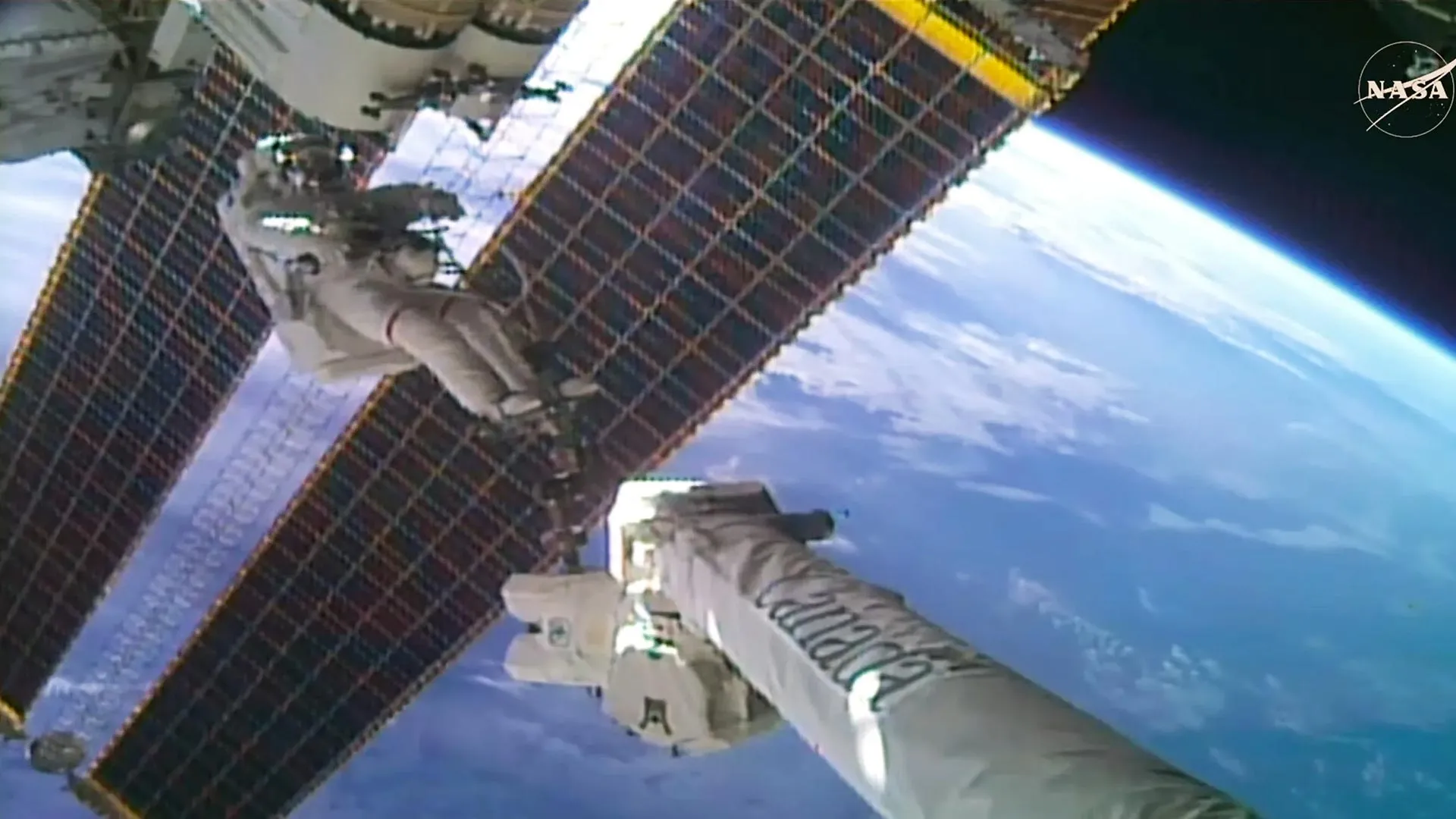
Two astronauts completed a 7-hour, 11-minute spacewalk to install a new solar array on the International Space Station, bringing NASA one step closer to a major power upgrade. Once the final array is installed on November 5, the station will have up to 30% more available power, supporting critical operations and its eventual controlled deorbit.

📅 2026-10-30 06:12:55    •    ScienceDaily
Small molecular twists may strengthen nature's magnetic compass
Science News

Small molecular twists may strengthen nature's magnetic compass

A collaborative research team led by Yasuhiro Kobori at Kobe University, together with researchers from Toho University, Saitama University, Nagoya Institute of Technology and the University of Freiburg, has identified a potential molecular mechanism that could enhance magnetic compass responses in cryptochrome, a blue-light-sensitive protein implicated in magnetoreception.

📅 2026-10-30 05:00:01    •    Phys.org
Scientists confirm global warming is accelerating faster than ever recorded
Science News

Scientists confirm global warming is accelerating faster than ever recorded

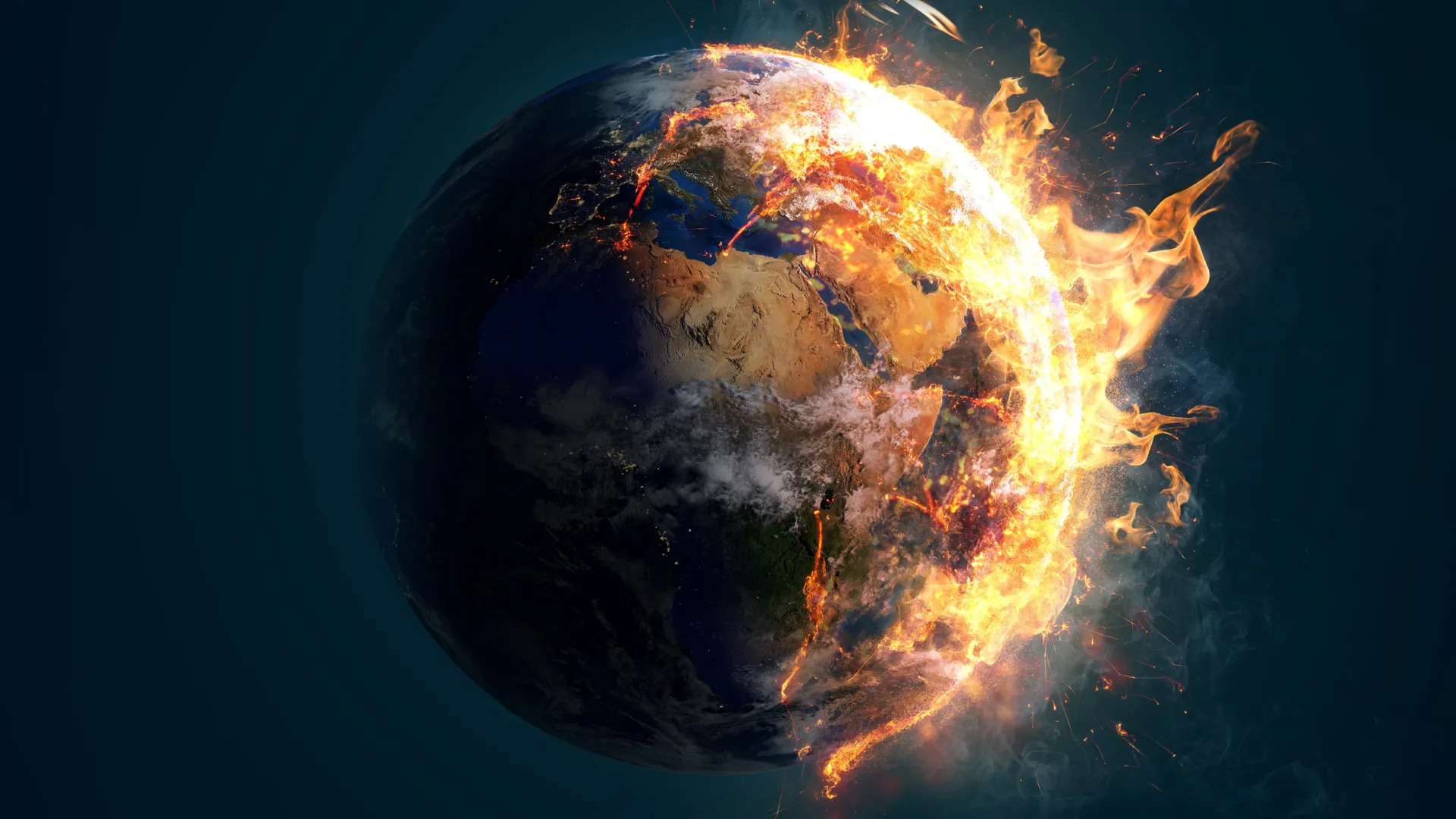
Earth is warming faster than ever recorded, with scientists detecting a major acceleration in global temperatures since around 2015. A new study reveals that the warming rate has surged to approximately 0.35°C per decade, nearly double the average pace observed from 1970 to 2015. After removing natural climate fluctuations, researchers confirmed the acceleration with more than 98% statistical confidence.

📅 2026-10-30 03:50:51    •    ScienceDaily
A mysterious star system just 16 light-years away may be hiding habitable planets
Science News

A mysterious star system just 16 light-years away may be hiding habitable planets

Astronomers have solved a 170-year-old planetary mystery in a nearby two-star system, discovering that a mysterious wobble was caused by stellar activity rather than a giant planet. Although Jupiter-sized worlds have been ruled out in key regions, smaller, potentially habitable planets could still be waiting to be discovered just 16 light-years from Earth.

📅 2026-10-30 03:17:17    •    ScienceDaily
Lab-aged microplastics enable tests of interactions with contaminants
Science News

Lab-aged microplastics enable tests of interactions with contaminants

A newly published study advances our knowledge of how microplastics may age in the environment and whether they stick to other contaminants as they do so. Microplastics (MPs) are tiny plastic pieces that measure less than 5 millimeters (about 0.2 inches) in length. The study looked at the aging of MPs made of three common polymer chemicals—polyethylene, polyethylene terephthalate and polypropylene—to see if they changed as they aged and how that affected nearby contaminants.

📅 2026-10-30 02:20:01    •    Phys.org