Latest Scientific Discoveries

All News →
Smaller EV batteries, longer range? Scientists may have found a way
Science News

Smaller EV batteries, longer range? Scientists may have found a way

Scientists have developed a new technology that could make electric vehicle batteries smaller, lighter, and longer-lasting, potentially allowing cars to travel farther on a single charge. By borrowing precision manufacturing techniques from computer chip production, they found a way to prevent damaging lithium buildup that has held back next-generation batteries.

📅 2026-10-28 12:25:43    •    ScienceDaily
Scientists discover a secret glow in toxic fire salamanders
Science News

Scientists discover a secret glow in toxic fire salamanders

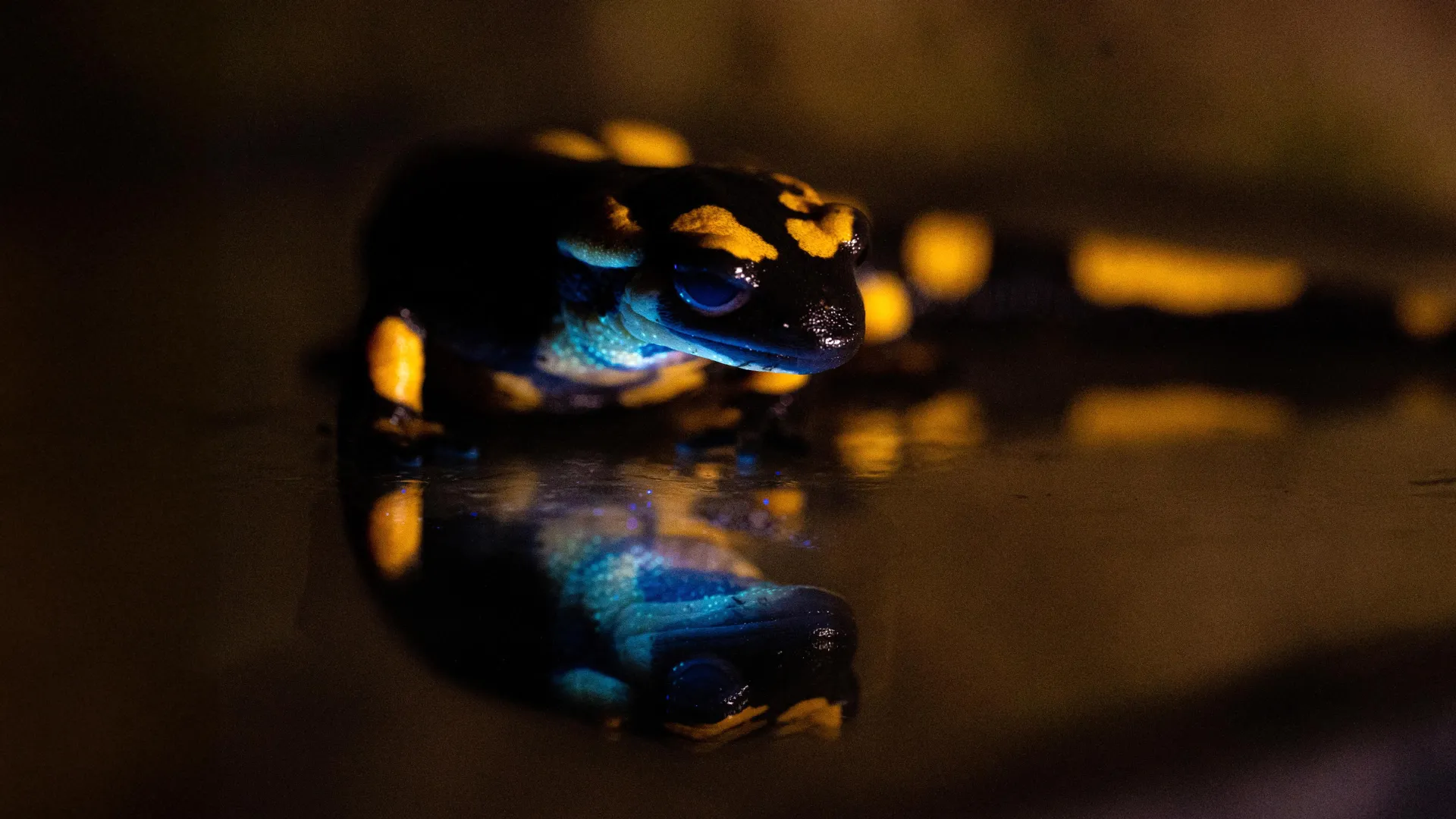
Researchers have discovered a surprising hidden ability in Europe's familiar black-and-yellow fire salamanders: they glow green and cyan under ultraviolet light. The mysterious fluorescence comes mainly from glands in their skin and their toxic secretions, which can continue glowing for more than 24 hours after being released.

📅 2026-10-28 12:11:52    •    ScienceDaily
Scientists discover a hidden 100-million-year-old volcanic system
Science News

Scientists discover a hidden 100-million-year-old volcanic system

Scientists have uncovered a long-lost volcanic system in Iran that dates back roughly 100 million years, revealing a hidden chapter in Earth's tectonic history. The discovery sheds new light on the disappearance of an ancient ocean and the powerful geological forces that reshaped the Middle East.

📅 2026-10-28 12:00:17    •    ScienceDaily
Earth's ice ages may have been driven by a hidden ocean chain reaction
Science News

Earth's ice ages may have been driven by a hidden ocean chain reaction

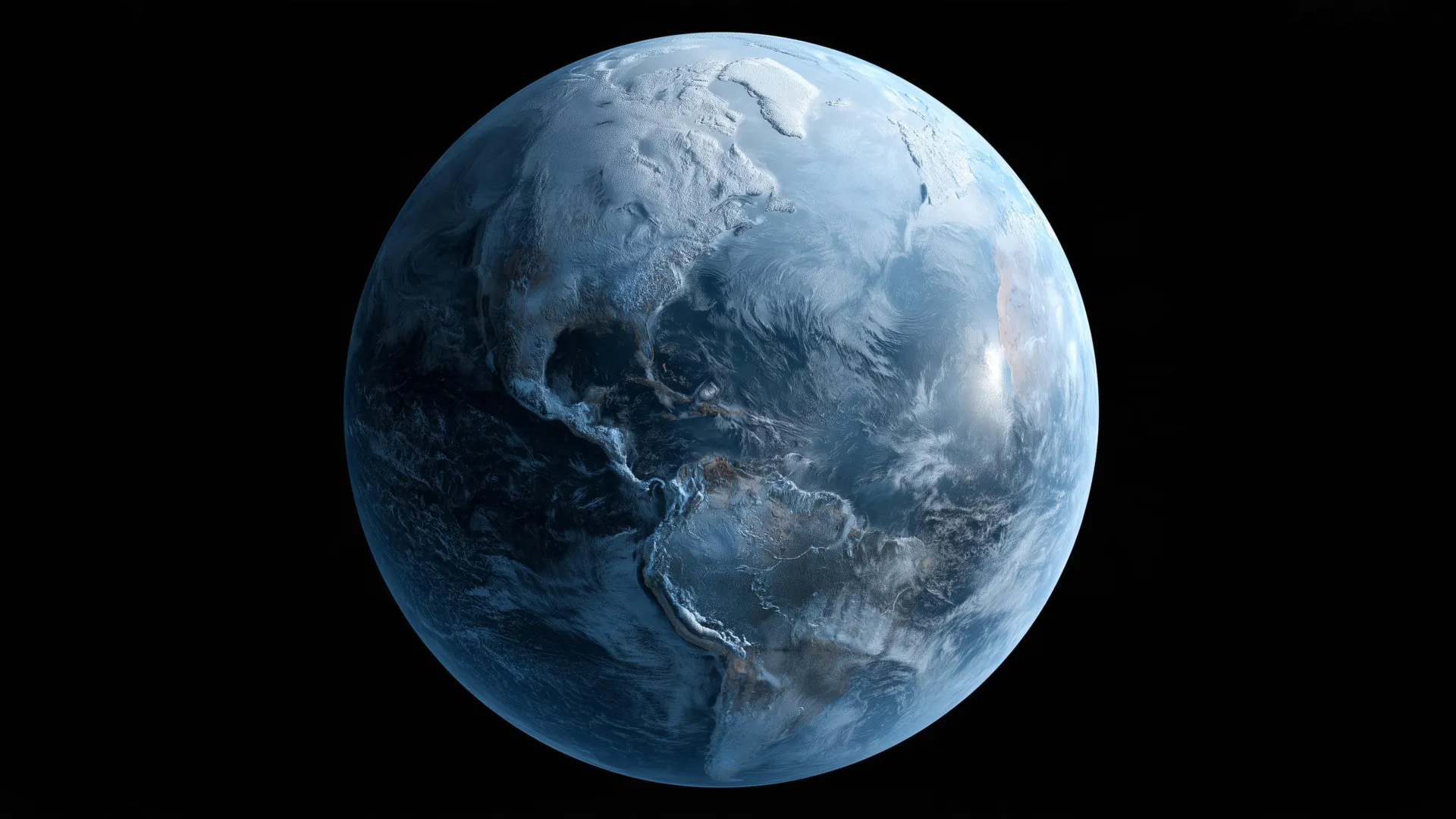
Scientists have uncovered a surprising connection between Earth's opposite poles that may help explain how the planet plunged into past ice ages. New research suggests that as massive ice sheets expanded across the Northern Hemisphere, they cooled Atlantic Ocean waters that eventually traveled south toward Antarctica. This cooling may have disrupted Southern Ocean circulation, allowing the ocean to absorb and store more carbon dioxide from the atmosphere, further cooling the planet.

📅 2026-10-28 11:08:25    •    ScienceDaily
Our extinct cousins the Denisovans had a 'distinctive' appearance, new analysis reveals
Science News

Our extinct cousins the Denisovans had a 'distinctive' appearance, new analysis reveals

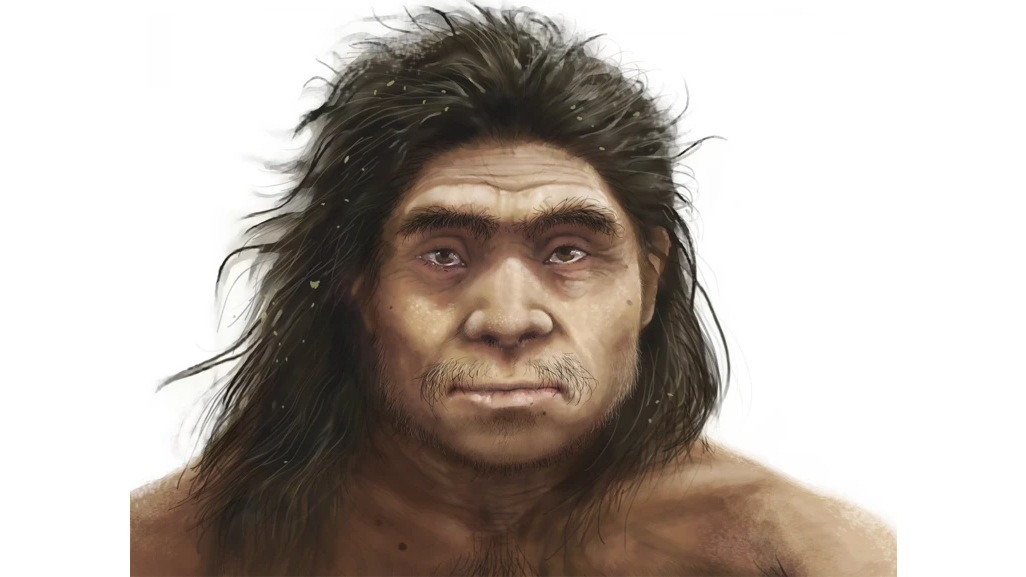
The enigmatic and now-extinct Denisovans of China shared traits with Neanderthals, modern humans and Homo erectus, according to a new study that looked at ancient proteins and fossils. But the Denisovans also had several unique skull traits and genetic variants that made them a distinctive ancient human group, according to the researchers ‪—‬ and these traits have now revealed a new face for a Denisovan man.In the study, published Oct. 21 in the journal Nature, researchers analyzed Denisovan skulls from the archaeological site of Xujiayao in northern China. The Denisovans were a group of ancient humans who lived in Asia and disappeared around 30,000 years ago. This human relative was first i...

📅 2026-10-28 11:00:00    •    Live Science
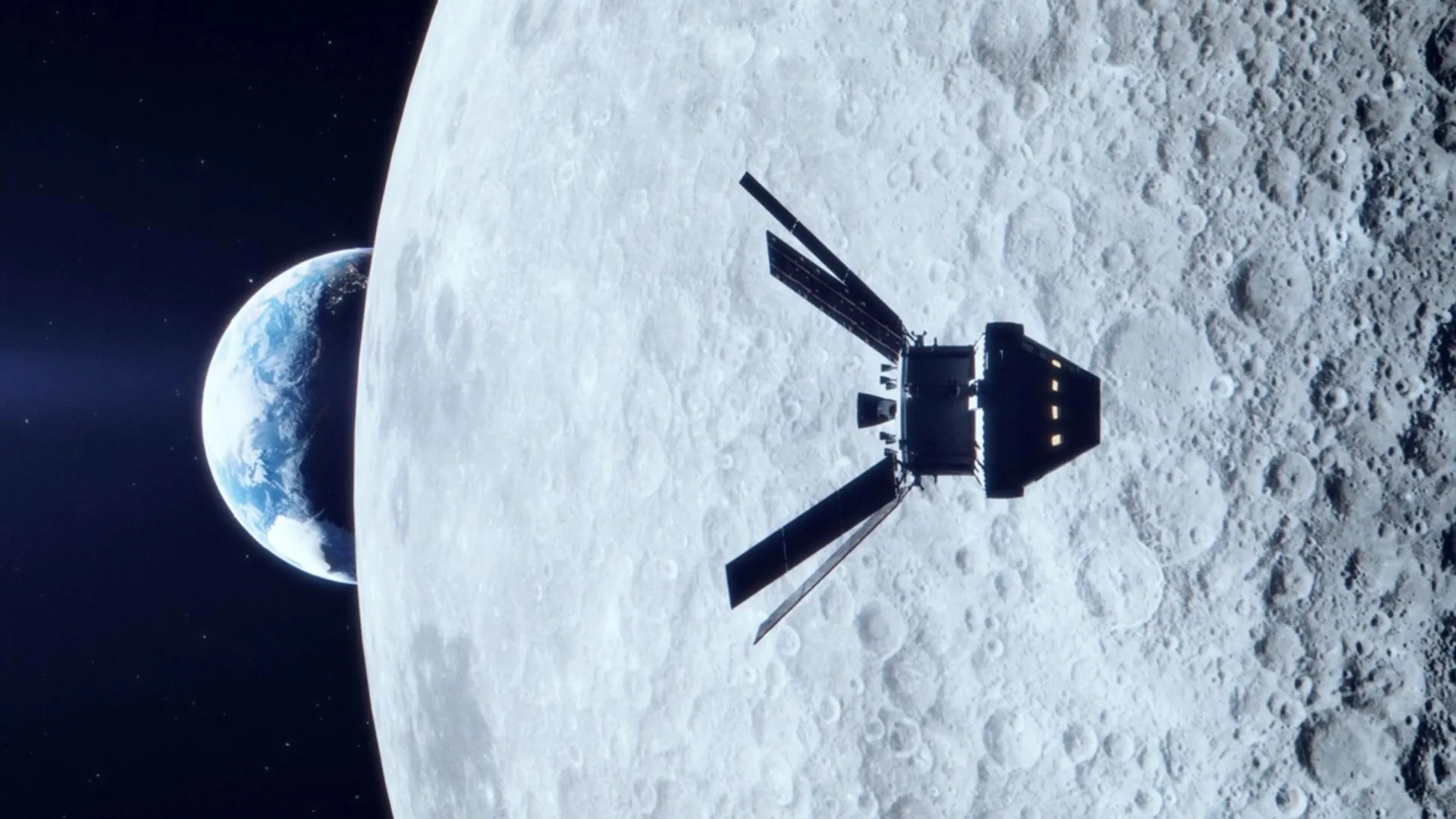
NASA’s Artemis I mission reveals surprising radiation levels near the Moon
Science News

NASA’s Artemis I mission reveals surprising radiation levels near the Moon

NASA’s Artemis I mission has revealed that cosmic radiation near the Moon is higher than in Earth orbit, but not by as much as scientists might expect. Tiny experimental detectors also uncovered surprising details about how radiation passes through the human body, offering valuable insights for future lunar exploration.

📅 2026-10-28 10:29:36    •    ScienceDaily
A woman carried a 'stone baby' in her abdomen for 3 years
Science News

A woman carried a 'stone baby' in her abdomen for 3 years

The patient: A 42-year-old woman in Somaliland, Africa The symptoms: The woman went to the hospital after having three years of chronic, dull pain in her lower abdomen, as well as a growing sense of heaviness in her abdomen that had worsened in recent months. When doctors reviewed her medical history, they learned that, three years earlier, she had experienced a number of symptoms that seemed to indicate a pregnancy. She recalled her abdomen growing over time and feeling "fetal movements," her doctors noted in a report of the case. Then, the movements stopped, the abdominal growth halted, and the enlargement gradually subsided. She had not sought medical care during or after this apparent pr...

📅 2026-10-28 10:00:00    •    Live Science