Science News
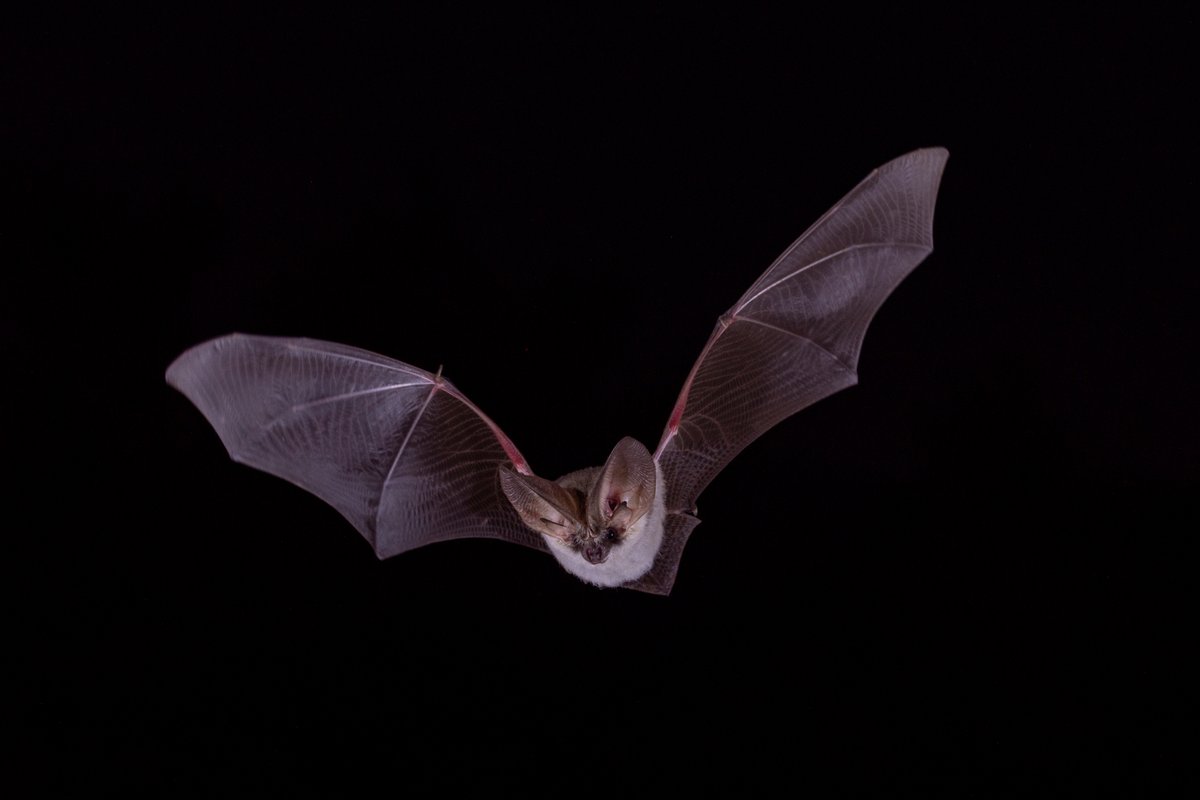
7 spooky bat facts—right in time for Halloween
Bats deserve a little more love
📅
2026-10-28 10:00:00
•
Scientific American
Explore the latest scientific discoveries, science news, breakthroughs and developments from around the world.
Bats deserve a little more love

Universities are at a critical point as students and faculty embrace the use of AI. Already, universities like Harvard are introducing courses that feature an AI avatar as an "instructor." The promises AI offers higher education are familiar: an increase in efficiency as a consequence of less administration, more teaching coverage, better feedback and smarter assessment. But introducing artificial intelligence (AI) systems in an attempt to fix these problems is not the answer. If anything, AI systems will magnify and speed up the bureaucracy that is driving universities' decline. In practice, the more likely outcome is darker: AI will not simply sweep away the bureaucratic machinery of unive...

Antarctica’s Thwaites Glacier may be melting twice as much as previously predicted, even without additional global warming. Scientists discovered that warm ocean water is penetrating miles beneath the ice, weakening its foundations and accelerating its retreat. A new model predicts that the glacier could add up to 30 millimeters to global sea levels by 2100, with a 60% chance of losing a crucial stabilizing ridge.
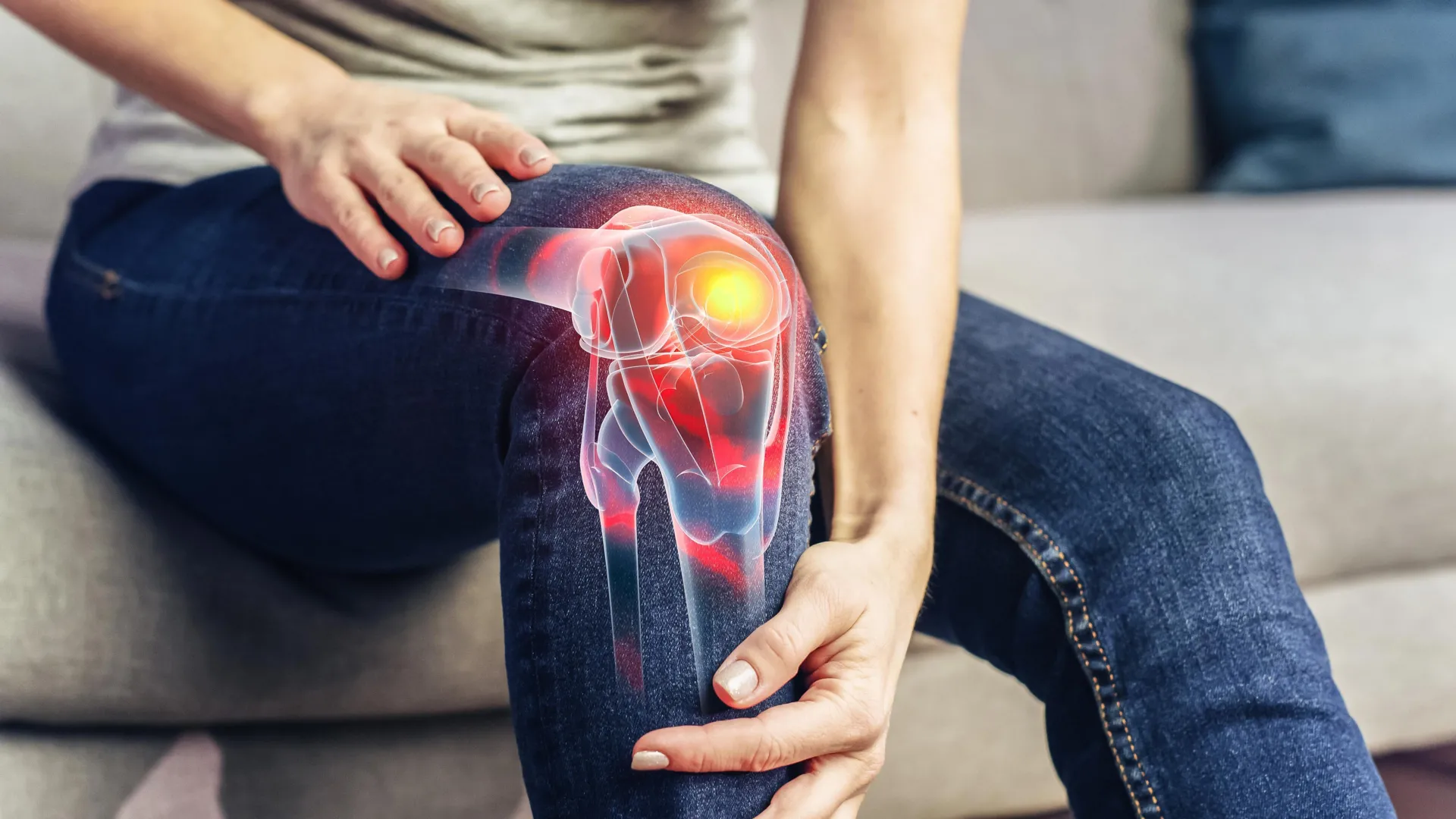
A new clinical trial suggests that a simple daily fiber supplement could significantly reduce knee osteoarthritis pain, improve muscle strength, and make the body less sensitive to pain. Researchers discovered that the benefits may be linked to changes in gut bacteria and the hormone GLP-1, revealing a promising new approach to arthritis relief.

A major new study reveals that autistic children’s brains process faces differently, and those differences may begin earlier than scientists previously thought. Researchers found that brain signals associated with recognizing faces become more specialized as neurotypical children grow older, but show much less change in autistic children. The discovery could help explain why some autistic people have difficulty recognizing faces and reading emotions.

The asteroid that killed the dinosaurs may have set the stage for ants to conquer the planet, with a surprising boost from “jumping genes” hidden in their DNA. Scientists discovered that bursts of activity from these mobile genetic elements coincided with the rise of major ant groups and may have helped sharpen their extraordinary ability to communicate through smell.
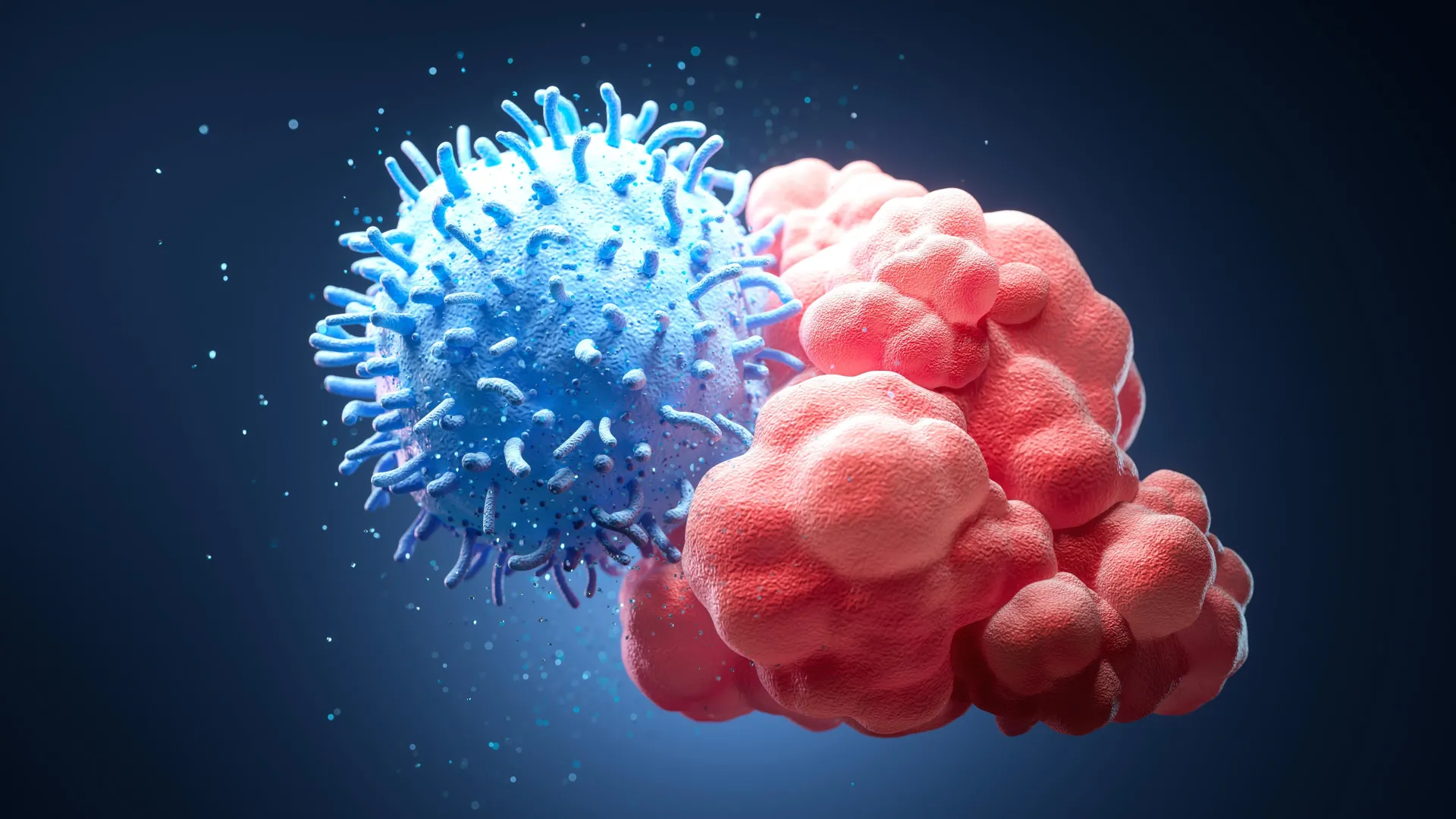
Scientists at McGill University have discovered a surprising new ability of immune cells that could change how we understand long-term immunity. Researchers found that T cells can actually sense how stiff their surrounding tissues are, using these physical signals to help determine whether they develop into long-lasting memory cells that protect against future infections.
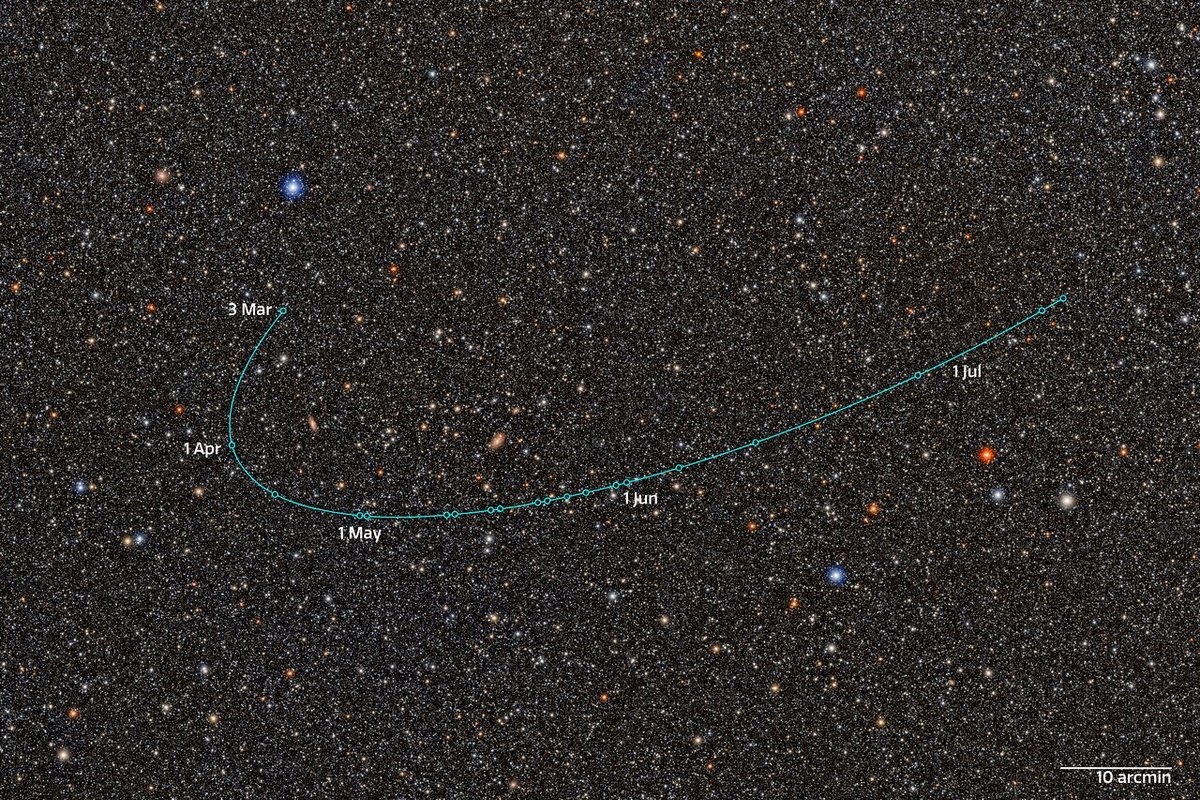
Located farther away from Earth than Pluto, the object was hidden in the light of the Milky Way’s stars
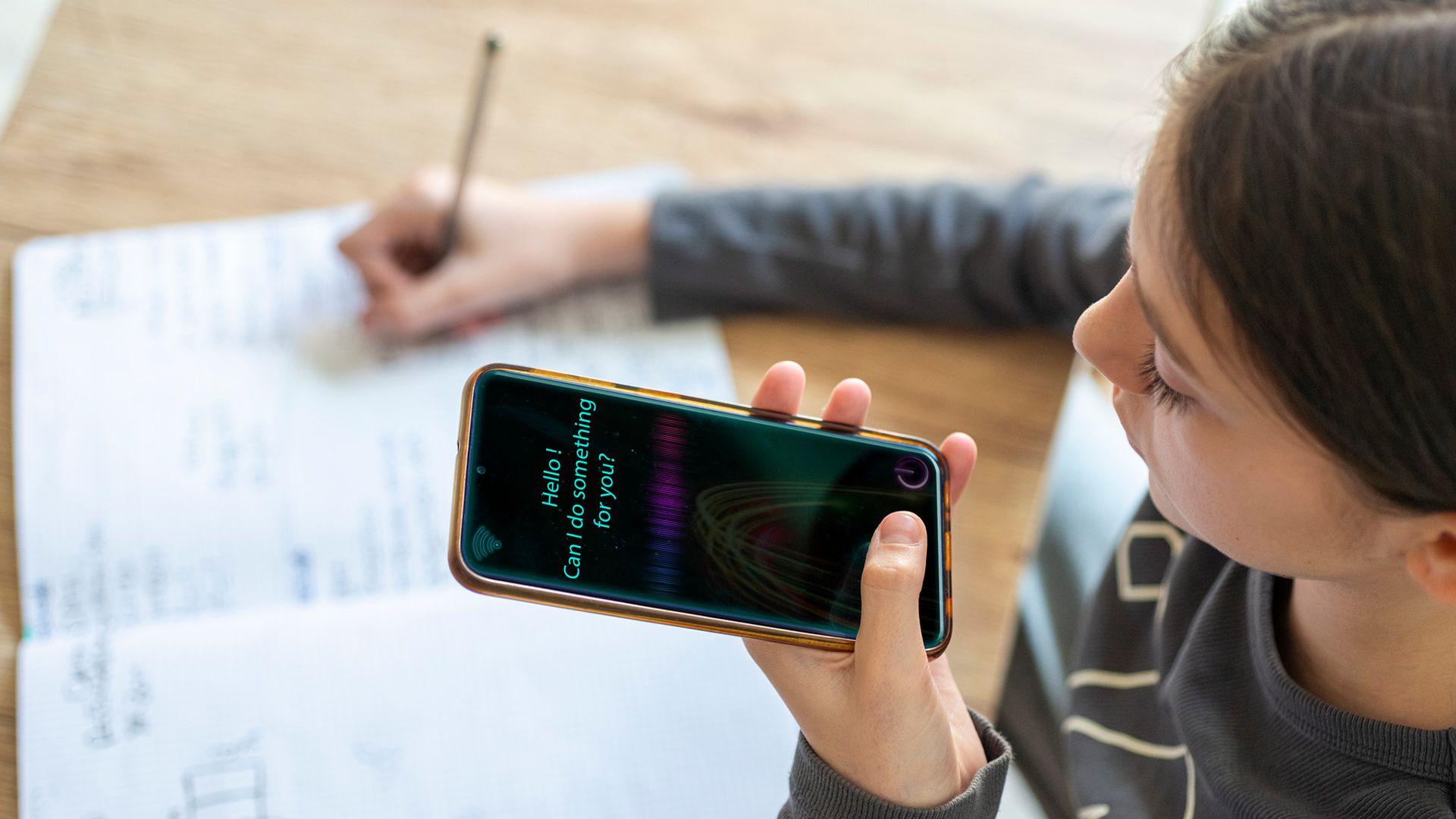
Artificial intelligence (AI) tools like chatbots are becoming part of everyday life, helping people write messages, answer questions and learn new skills. While some of these processes may save people time, a new study reveals a possible new downside of consistently relying on AI assistance.Related storiesCan AI detect cognitive decline better than a doctor? New study reveals surprising accuracyDoctors say AI model can predict 'biological age' from a selfie — and want to use it to guide cancer treatment'There's a sense that these algorithms are objective and they get to know you': How social media warps our understanding of healthcareThe research, presented at the 2026 Conference on Language...
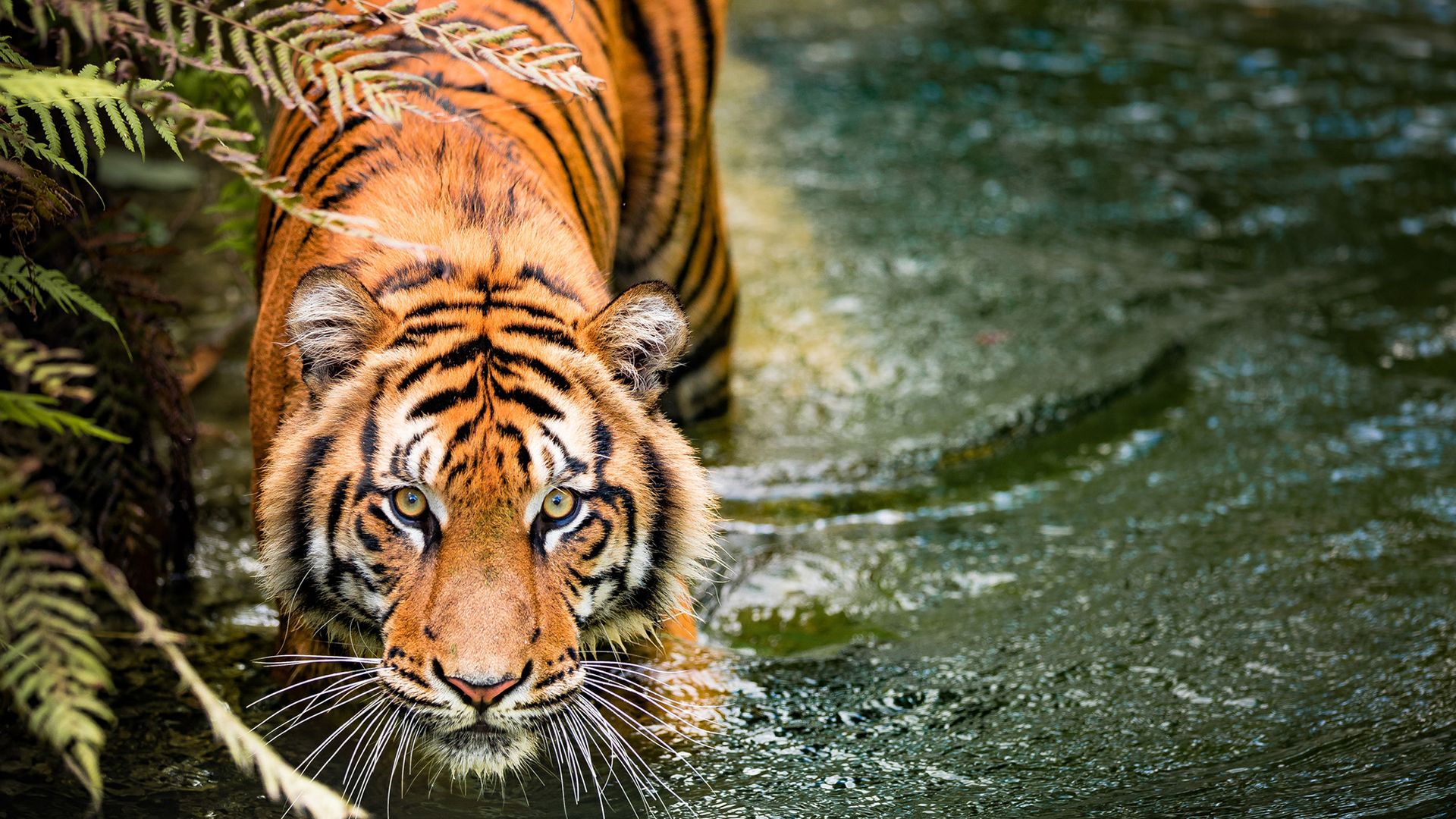
A male tiger approaches his cubs and greets them with a head-bobbing motion while their mother rests nearby. The surprising interaction, captured in the PBS Nature documentary "Tiger Island," a two-part series that follows two big-cat families across Nepal.The footage marks the first time a tiger "family" has been documented spending time together, and it could challenge conventional assumptions about how the seemingly solitary cats behave around their young, said Dan O'Neill, a wildlife biologist and filmmaker who contributed to "Tiger Island." Previously, it was thought that tiger moms raise their cubs for up to two years without any help from the male tiger. But this may not be the norm."...

New brain-computer interfaces turn attempted speech into words and can speak them in a voice resembling the user’s own.

Another bombshell result shows how artificial intelligence is fueling fierce competition at the frontiers of math and physics