Latest Scientific Discoveries

All News →
The secret to slower aging may be hiding in your gut
Science News

The secret to slower aging may be hiding in your gut

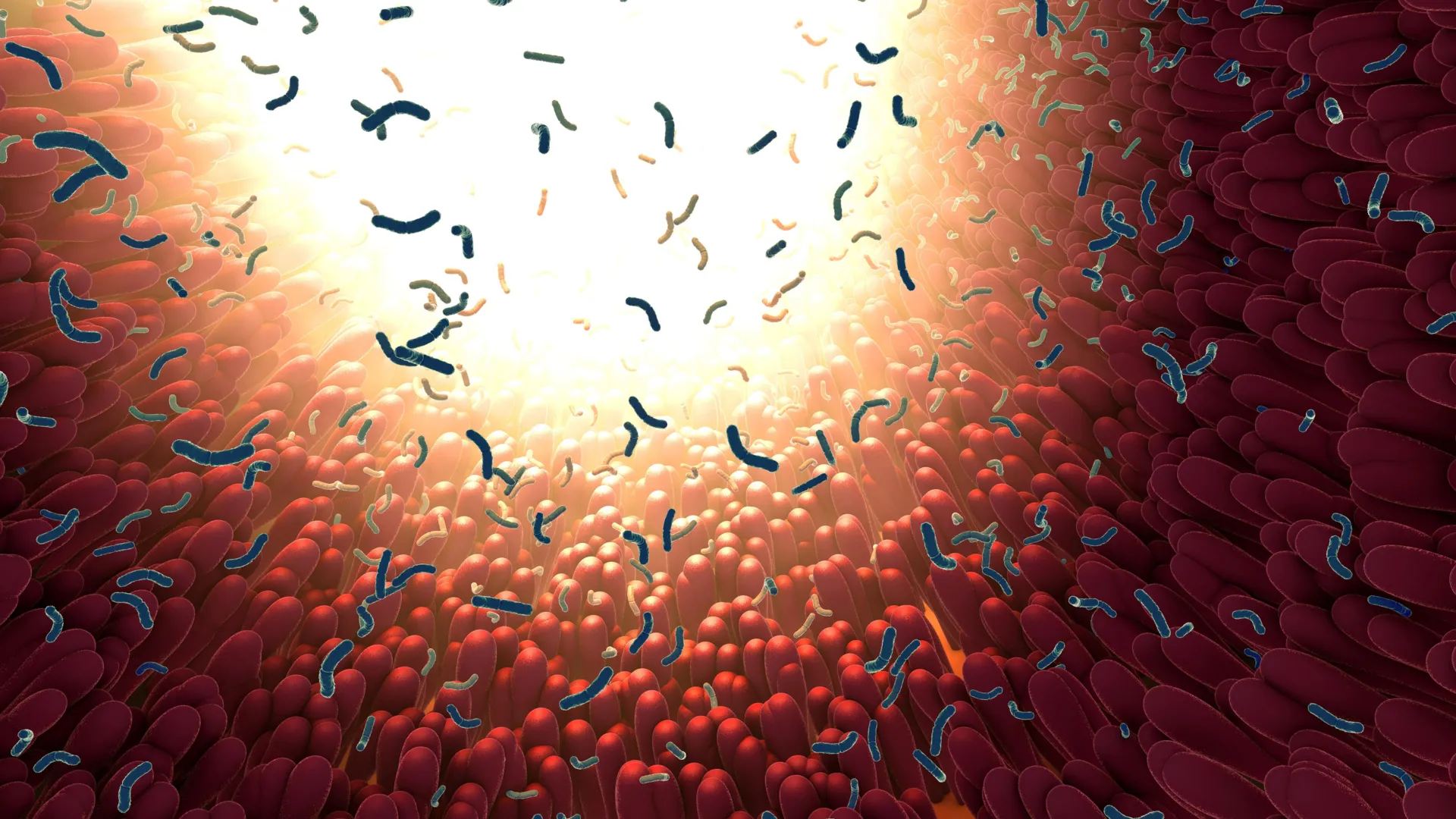
The secret to aging more slowly may be hiding in your gut. Scientists discovered that certain gut bacteria are strongly linked to how quickly the body ages, with microbial differences accounting for about 15% of the variation in biological aging rates. Some bacterial species were associated with slower aging, while others were linked to accelerated aging.

📅 2026-10-27 11:53:24    •    ScienceDaily
Low testosterone may make sugar far more harmful to your liver
Science News

Low testosterone may make sugar far more harmful to your liver

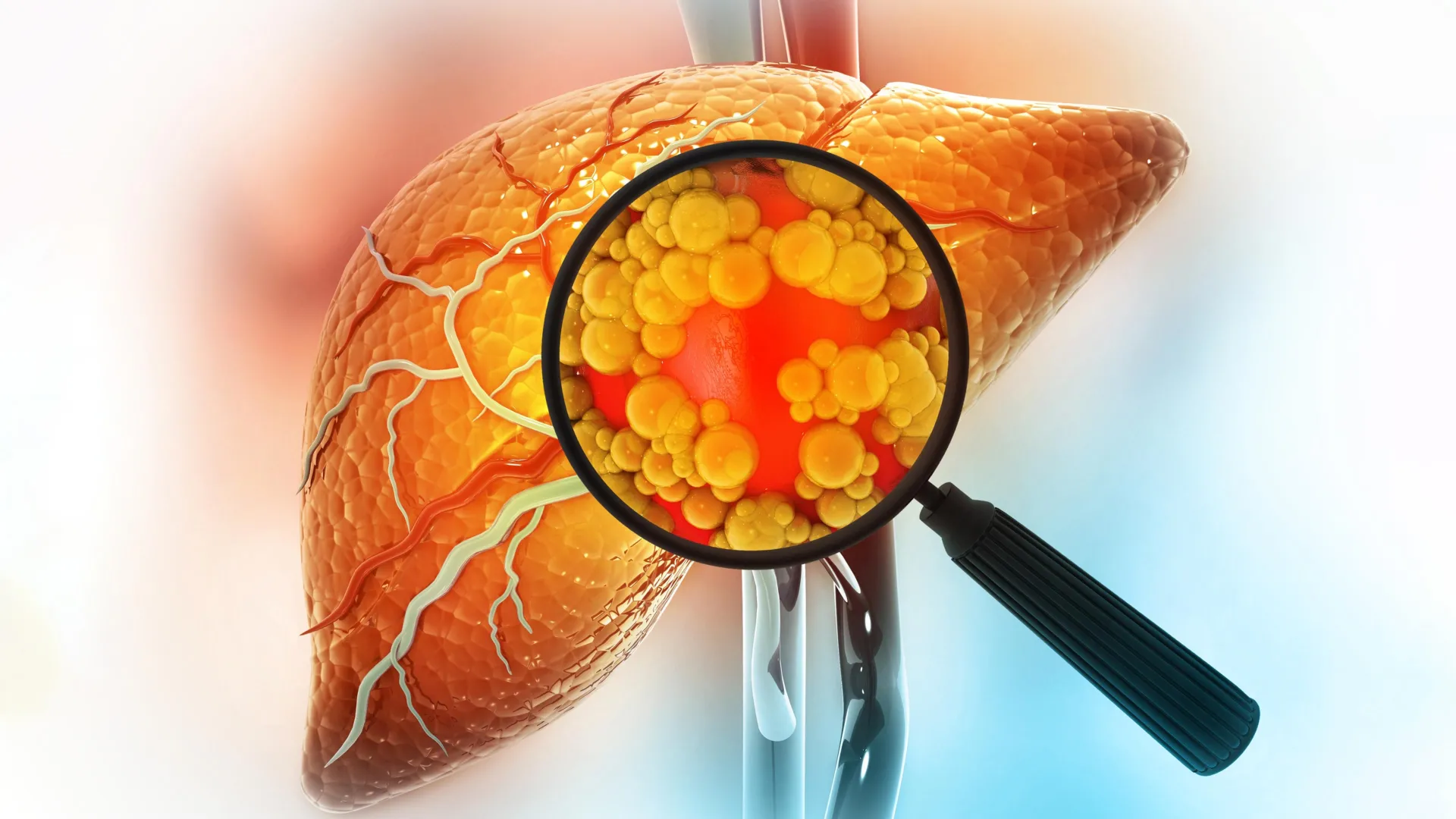
Scientists have discovered that low testosterone and a high-fructose diet can work together to worsen fatty liver disease in mice. Unexpectedly, changes in gut bacteria appear to drive this harmful interaction, revealing a potential new target for preventing liver damage.

📅 2026-10-27 11:18:37    •    ScienceDaily
Common drugs may help dangerous viruses spread through the body
Science News

Common drugs may help dangerous viruses spread through the body

A surprising discovery reveals that widely used anti-inflammatory drugs may unintentionally help dangerous viruses spread through the body. Scientists found that JAK inhibitors, prescribed for rheumatoid arthritis and other inflammatory diseases, can weaken a crucial immune defense against influenza, COVID-19, and other infections. By suppressing genes that normally fight viruses, these medications may leave patients more vulnerable to infection.

📅 2026-10-27 10:46:21    •    ScienceDaily
James Webb discovers a scorching lava planet with a “giant sunscreen”
Science News

James Webb discovers a scorching lava planet with a “giant sunscreen”

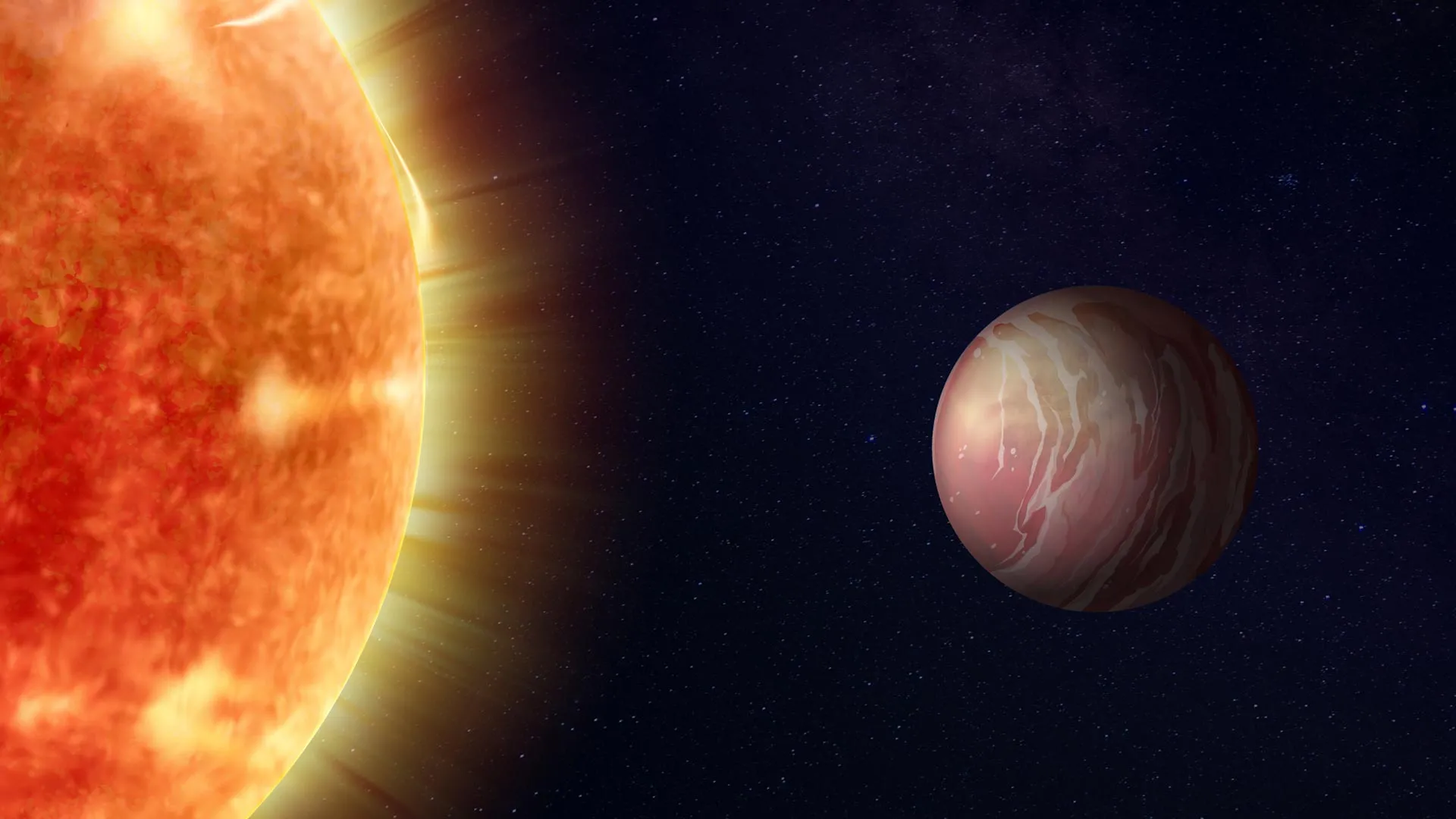
A scorching lava planet 280 light-years away has surprised astronomers by apparently maintaining a thick atmosphere despite conditions that should have stripped it away billions of years ago. James Webb Space Telescope observations suggest that TOI-561 b reflects about 75% of incoming starlight, possibly because of mineral clouds that act like a giant sunscreen. The planet may also be continually replenishing its atmosphere through gases released from a global ocean of molten rock.

📅 2026-10-27 10:20:52    •    ScienceDaily
Why we’ll never have another Black Death
Science News

Why we’ll never have another Black Death

The death of a worker at a Russian plague lab was alarming, but the disease is extremely unlikely to become a worldwide problem as it has in the past

📅 2026-10-27 10:00:00    •    Scientific American
Smithsonian scientists just recreated the first 2 billion years of the Universe
Science News

Smithsonian scientists just recreated the first 2 billion years of the Universe

Scientists have created one of the largest and most detailed simulations of the early universe ever made, offering an extraordinary new glimpse into the cosmos shortly after the Big Bang. Called Lumina, the groundbreaking simulation recreates the universe’s first 2 billion years, showing how dark matter, gas, and radiation interacted to give rise to the earliest stars, galaxies, and black holes.

📅 2026-10-27 09:48:35    •    ScienceDaily
A tiny laser beam could make computer memory 1,000 times faster
Science News

A tiny laser beam could make computer memory 1,000 times faster

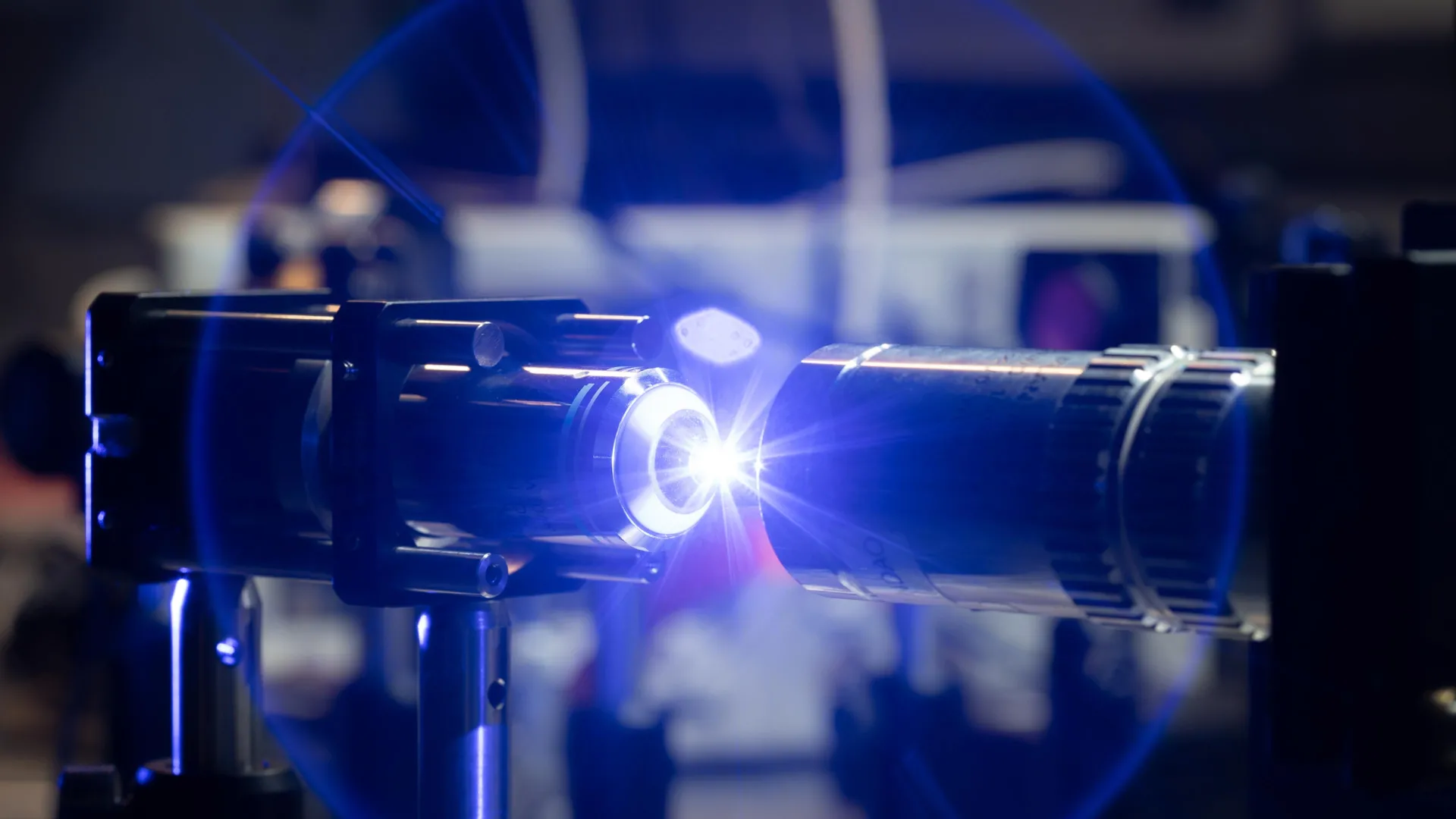
Scientists at UC San Diego have developed a surprising new way to store digital information using light instead of magnets, potentially paving the way for smaller, faster, and more energy-efficient memory devices. By precisely shaping and shrinking an ultrafast laser beam, researchers demonstrated that they could switch magnetic states in a material, the basic process used to write digital data. The technique could potentially operate more than 1,000 times faster than conventional magnetic switching methods.

📅 2026-10-27 09:22:06    •    ScienceDaily
A psychologist explains his theory for why orcas are attacking boats
Science News

A psychologist explains his theory for why orcas are attacking boats

Over the past six years, orcas have made headlines for a unique behavior: Some individuals have repeatedly damaged or destroyed rudders on boats. The behavior has prompted a wide range of explanations, including that it's playful, a form of revenge, a warning against getting too close to the pod, or even a type of cultural transmission, in which one orca observes another interacting with a boat and then imitates it. But Christian Frings, a cognitive psychologist who studies how humans control their actions, thinks it could be deliberate. While Frings, who is also chair of general psychology and methodology at Trier University in Germany, does not study orcas directly, he believes that theori...

📅 2026-10-27 09:00:00    •    Live Science
Do spiders dream? Scientists just found a surprising clue
Science News

Do spiders dream? Scientists just found a surprising clue

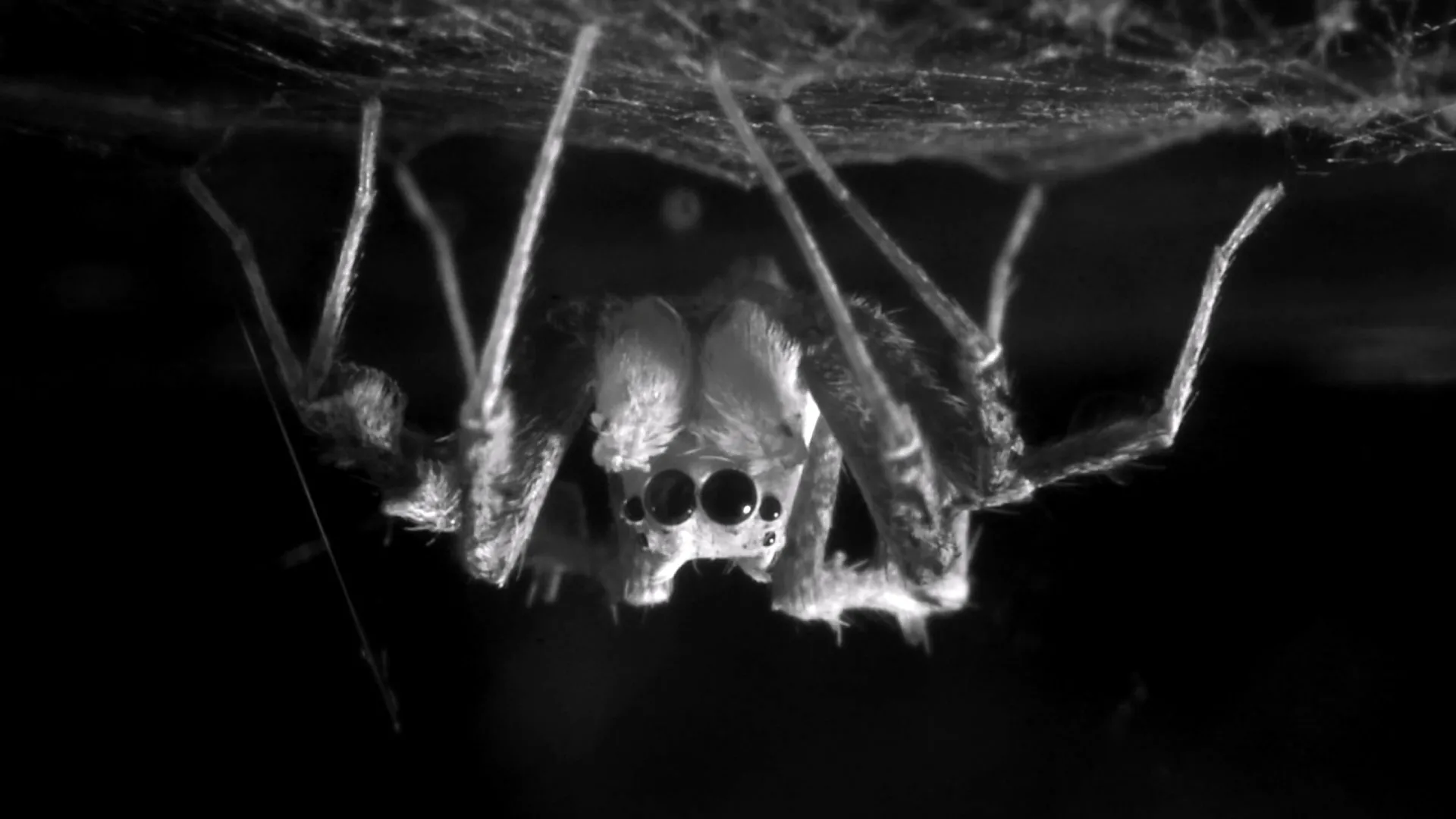
Scientists have discovered that spiders may sleep in ways surprisingly similar to humans, complete with distinct sleep stages and a dream-like REM state. Researchers at the University of Bonn studied the Australian jumping spider Portia fimbriata, a remarkably clever hunter known for its sophisticated strategies. By recording the spiders over several days and nights, they found clear evidence of regulated sleep, including a REM-like stage marked by eye movements and muscle twitches.

📅 2026-10-27 04:53:11    •    ScienceDaily
Scientists discover a surprising clue to why some brains resist Alzheimer’s
Science News

Scientists discover a surprising clue to why some brains resist Alzheimer’s

Why do some people stay mentally sharp even when their brains show signs of Alzheimer’s disease? Scientists in the Netherlands may have uncovered an important clue hidden in a rare group of immature brain cells. Researchers discovered that these cells remain present even in people over 80, but their behavior differs dramatically between those who develop dementia and those who remain cognitively healthy.

📅 2026-10-27 04:02:26    •    ScienceDaily
Mayo Clinic discovers new ways to fight the “zombie” cells that drive aging
Science News

Mayo Clinic discovers new ways to fight the “zombie” cells that drive aging

Mayo Clinic scientists have uncovered surprising new insights into “zombie cells,” aging cells that linger in the body and contribute to inflammation and disease. Seven studies reveal why these cells are harmful and identify new strategies for targeting them, including a natural compound found in tomatoes. In aging mice, experimental treatments reduced inflammation and improved physical and brain health. The findings could open the door to therapies that combat some of the biological processes behind aging.

📅 2026-10-27 02:32:38    •    ScienceDaily