Sleep and depression may be more intertwined than we thought
Depression tied to the body’s sleep cycle could be less responsive to antidepressants and cause more severe symptoms
Explore the latest scientific discoveries, science news, breakthroughs and developments from around the world.
Depression tied to the body’s sleep cycle could be less responsive to antidepressants and cause more severe symptoms
Farmers in Yunnan Province, China, alerted researchers to the humongous fungus. Dianjunus rex’s mushrooms stand at half a meter tall.
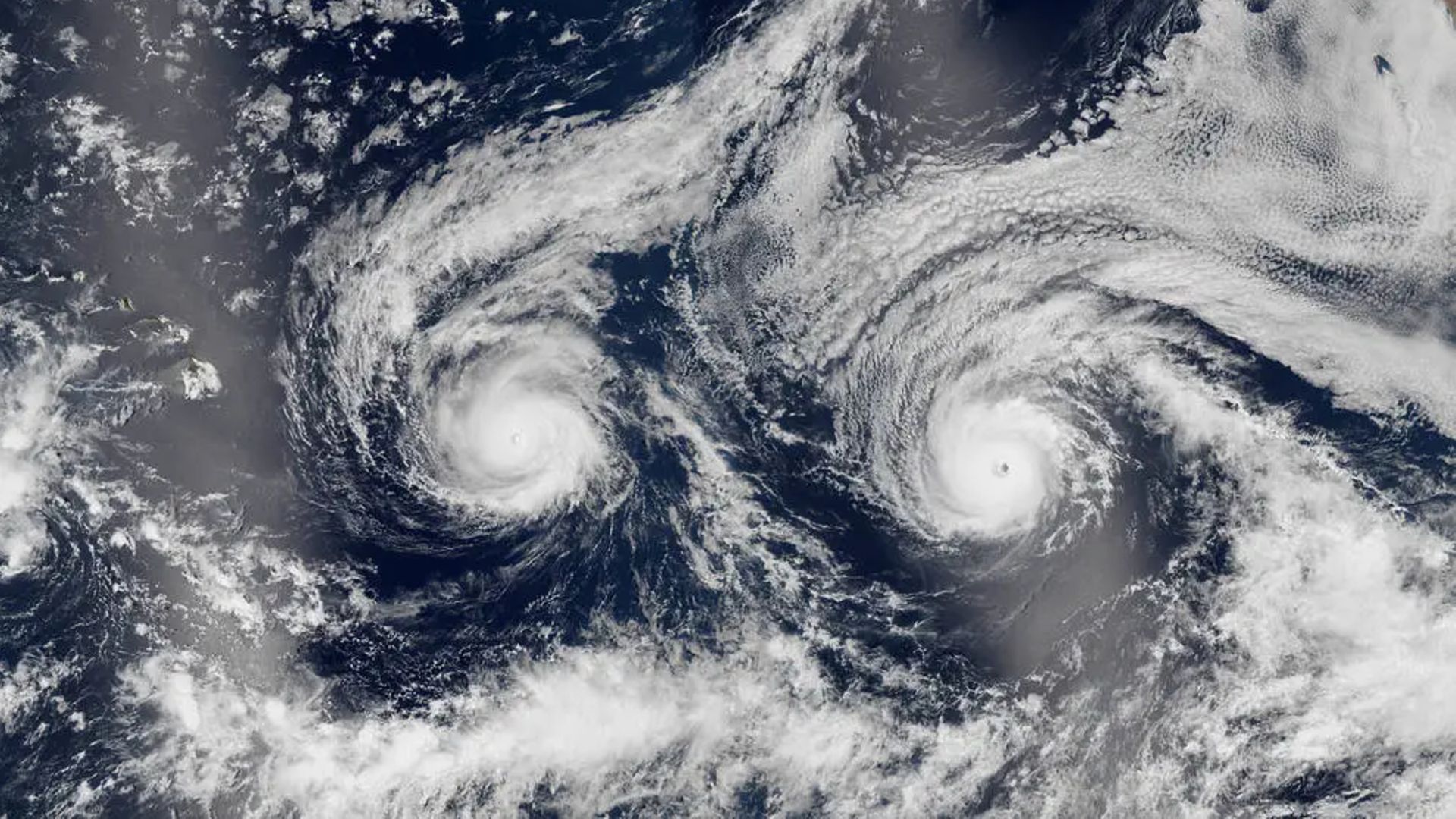
QUICK FACTSWhere is it? Pacific OceanWhat's in the photo? Hurricane Madeline (left) and Hurricane Lester (right)Which satellite took the photo? Suomi NPPWhen was it taken? Aug. 29, 2016This eye-catching satellite snap from a decade ago shows a pair of hurricanes barreling toward Hawaii. The clouds swirling around the twin cyclones make them look eerily like the eyes of a pale face smiling up at space. The sight appears even spookier when viewed on a weather map (see below).The surprisingly symmetrical storms — Hurricane Madeline (left) and Hurricane Lester (right) — were the 14th and 13th named storms, respectively, during 2016's Pacific hurricane season, which is tied for the sixth-most-act...
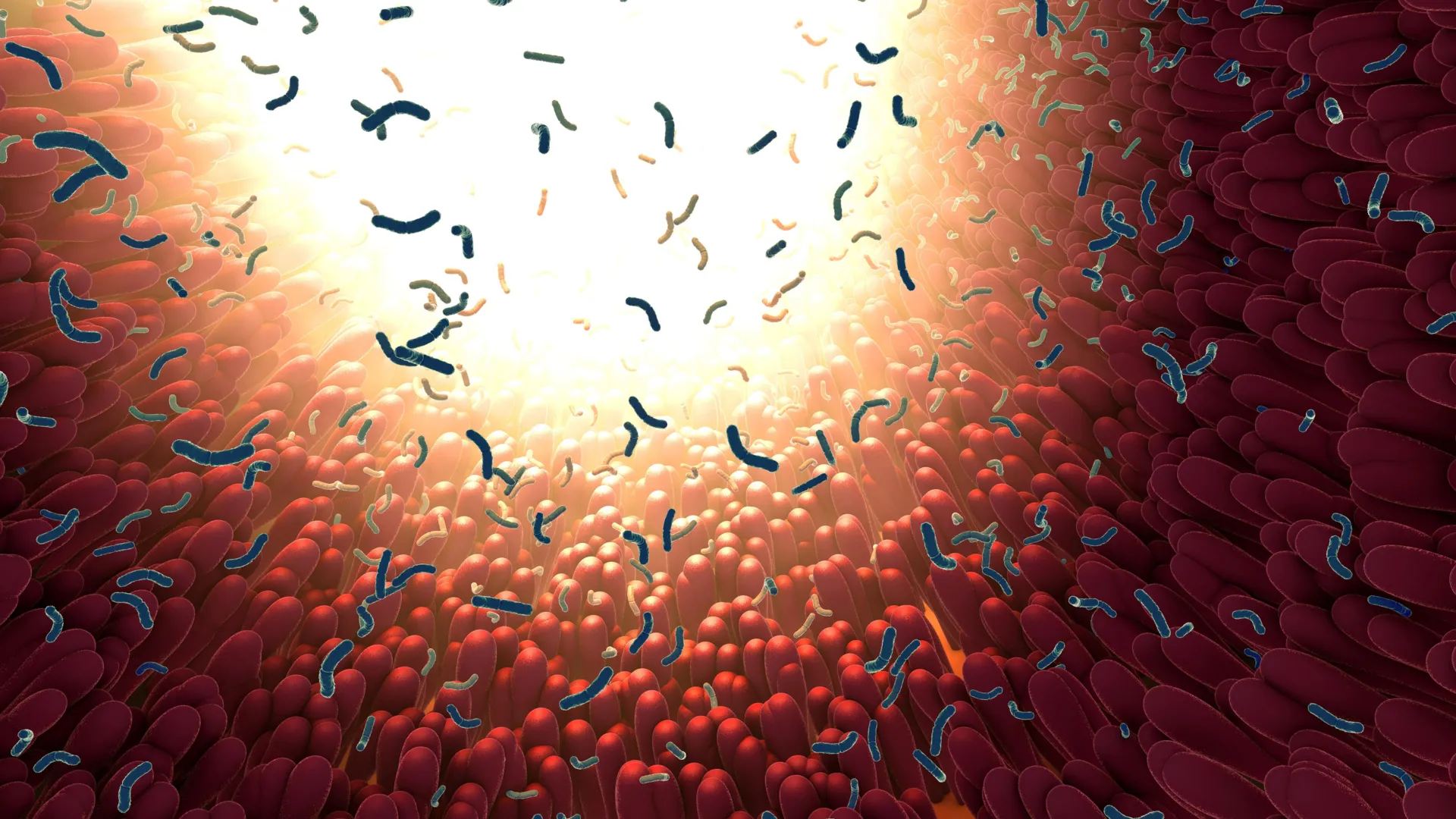
The secret to aging more slowly may be hiding in your gut. Scientists discovered that certain gut bacteria are strongly linked to how quickly the body ages, with microbial differences accounting for about 15% of the variation in biological aging rates. Some bacterial species were associated with slower aging, while others were linked to accelerated aging.
Scientists have discovered that low testosterone and a high-fructose diet can work together to worsen fatty liver disease in mice. Unexpectedly, changes in gut bacteria appear to drive this harmful interaction, revealing a potential new target for preventing liver damage.
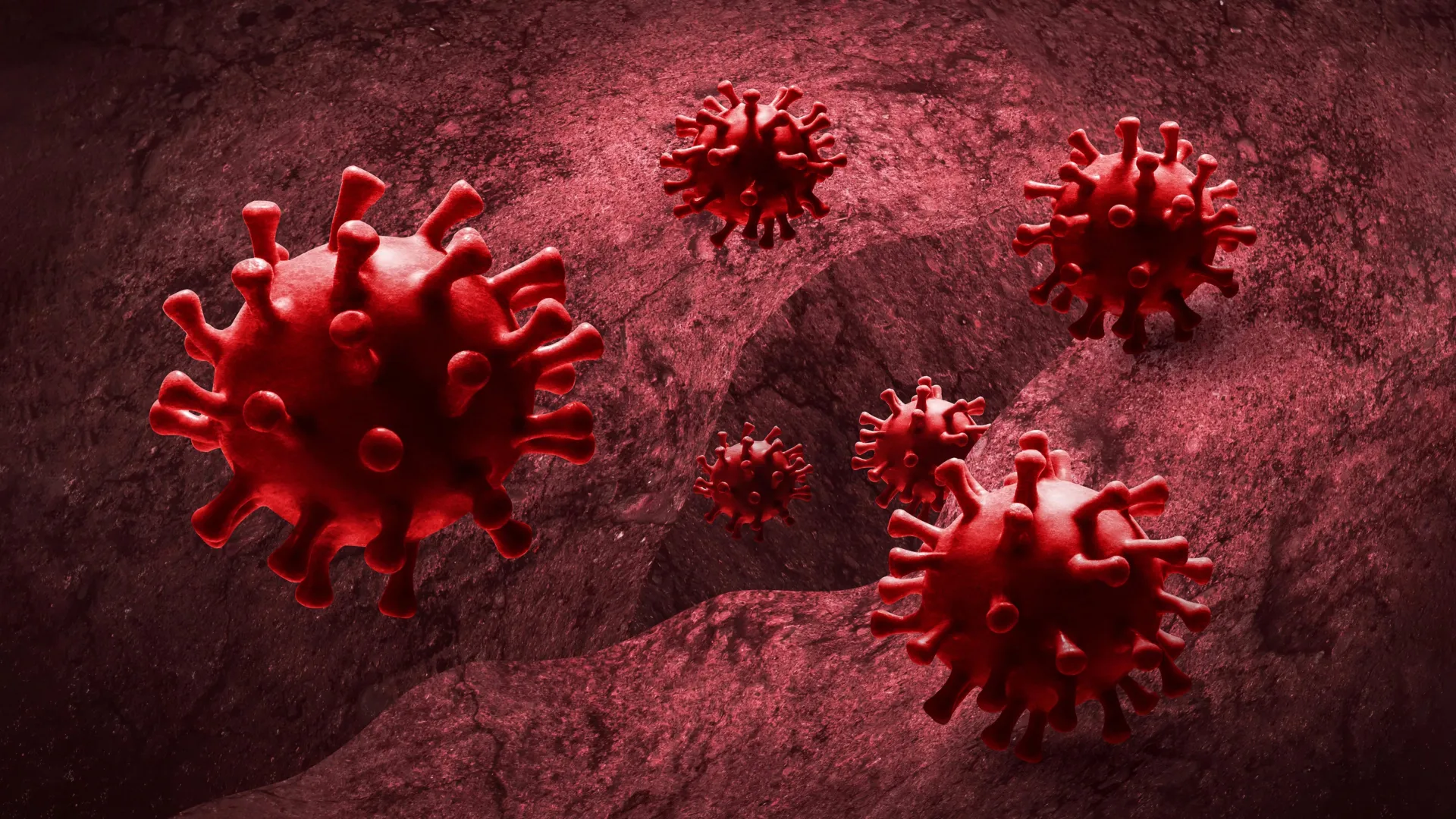
A surprising discovery reveals that widely used anti-inflammatory drugs may unintentionally help dangerous viruses spread through the body. Scientists found that JAK inhibitors, prescribed for rheumatoid arthritis and other inflammatory diseases, can weaken a crucial immune defense against influenza, COVID-19, and other infections. By suppressing genes that normally fight viruses, these medications may leave patients more vulnerable to infection.
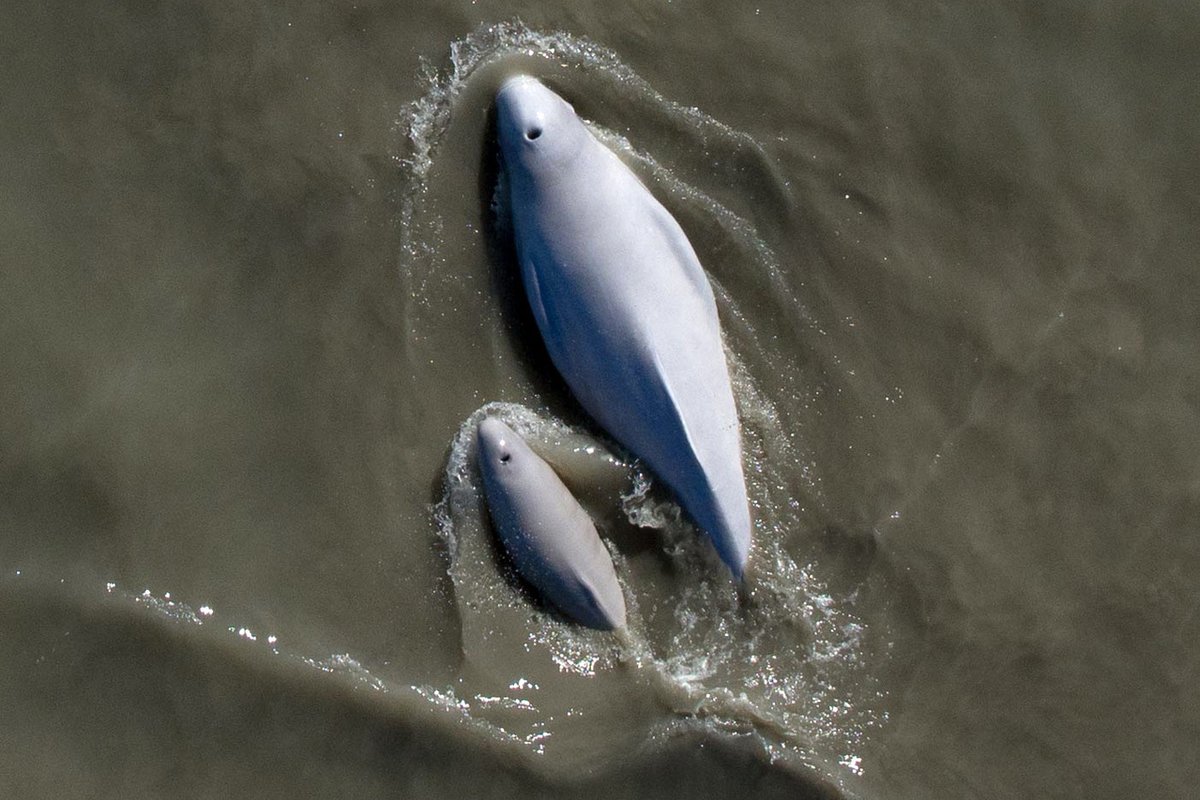
Ocean water could help dissipate the heat from data centers, but the infrastructure could threaten endangered whales
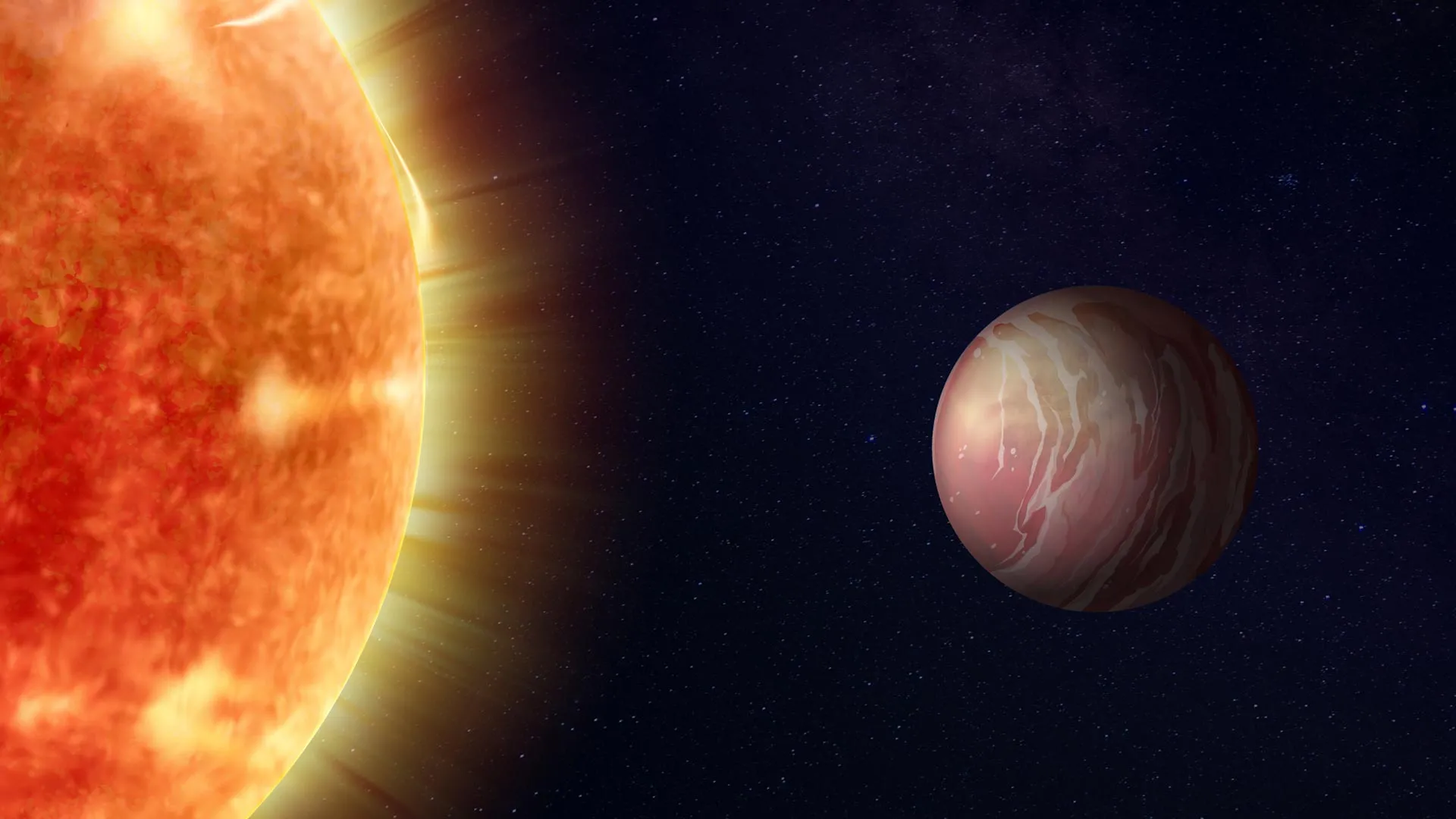
A scorching lava planet 280 light-years away has surprised astronomers by apparently maintaining a thick atmosphere despite conditions that should have stripped it away billions of years ago. James Webb Space Telescope observations suggest that TOI-561 b reflects about 75% of incoming starlight, possibly because of mineral clouds that act like a giant sunscreen. The planet may also be continually replenishing its atmosphere through gases released from a global ocean of molten rock.
The death of a worker at a Russian plague lab was alarming, but the disease is extremely unlikely to become a worldwide problem as it has in the past
Scientists have created one of the largest and most detailed simulations of the early universe ever made, offering an extraordinary new glimpse into the cosmos shortly after the Big Bang. Called Lumina, the groundbreaking simulation recreates the universe’s first 2 billion years, showing how dark matter, gas, and radiation interacted to give rise to the earliest stars, galaxies, and black holes.
Scientists at UC San Diego have developed a surprising new way to store digital information using light instead of magnets, potentially paving the way for smaller, faster, and more energy-efficient memory devices. By precisely shaping and shrinking an ultrafast laser beam, researchers demonstrated that they could switch magnetic states in a material, the basic process used to write digital data. The technique could potentially operate more than 1,000 times faster than conventional magnetic switching methods.
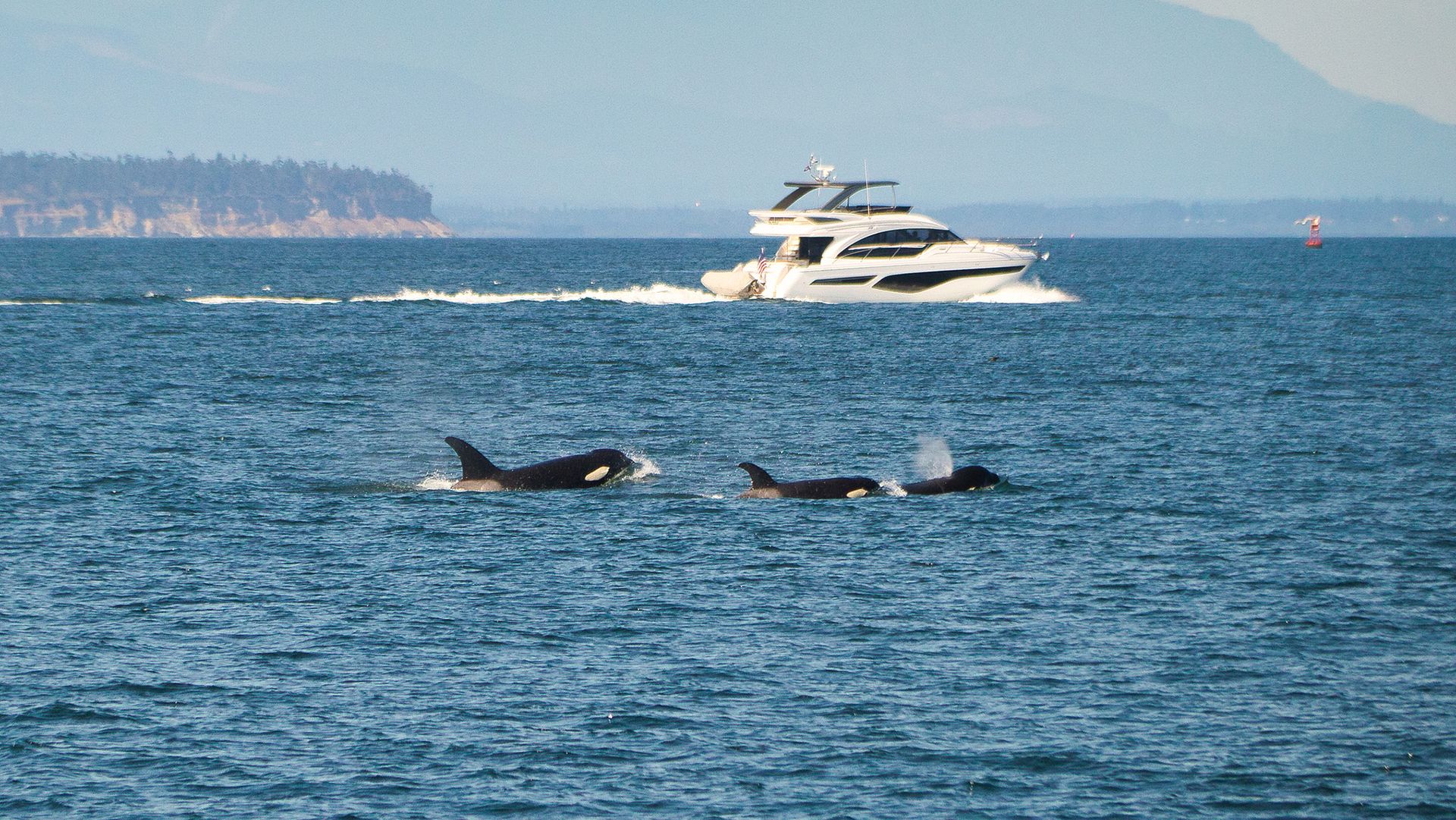
Over the past six years, orcas have made headlines for a unique behavior: Some individuals have repeatedly damaged or destroyed rudders on boats. The behavior has prompted a wide range of explanations, including that it's playful, a form of revenge, a warning against getting too close to the pod, or even a type of cultural transmission, in which one orca observes another interacting with a boat and then imitates it. But Christian Frings, a cognitive psychologist who studies how humans control their actions, thinks it could be deliberate. While Frings, who is also chair of general psychology and methodology at Trier University in Germany, does not study orcas directly, he believes that theori...