Latest Scientific Discoveries

All News →
Do spiders dream? Scientists just found a surprising clue
Science News

Do spiders dream? Scientists just found a surprising clue

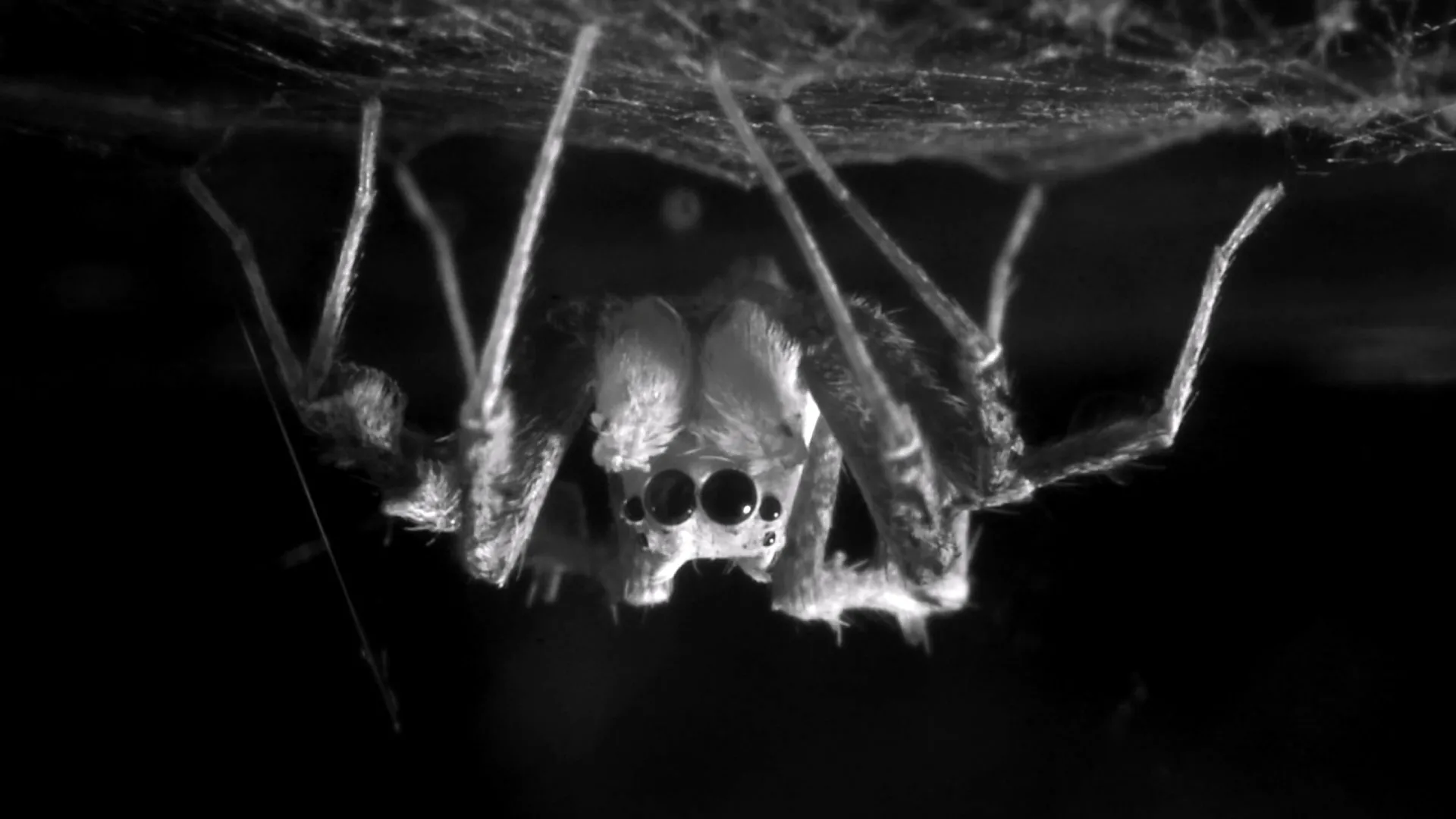
Scientists have discovered that spiders may sleep in ways surprisingly similar to humans, complete with distinct sleep stages and a dream-like REM state. Researchers at the University of Bonn studied the Australian jumping spider Portia fimbriata, a remarkably clever hunter known for its sophisticated strategies. By recording the spiders over several days and nights, they found clear evidence of regulated sleep, including a REM-like stage marked by eye movements and muscle twitches.

📅 2026-10-27 04:53:11    •    ScienceDaily

Scientists discover a surprising clue to why some brains resist Alzheimer’s
Science News

Scientists discover a surprising clue to why some brains resist Alzheimer’s

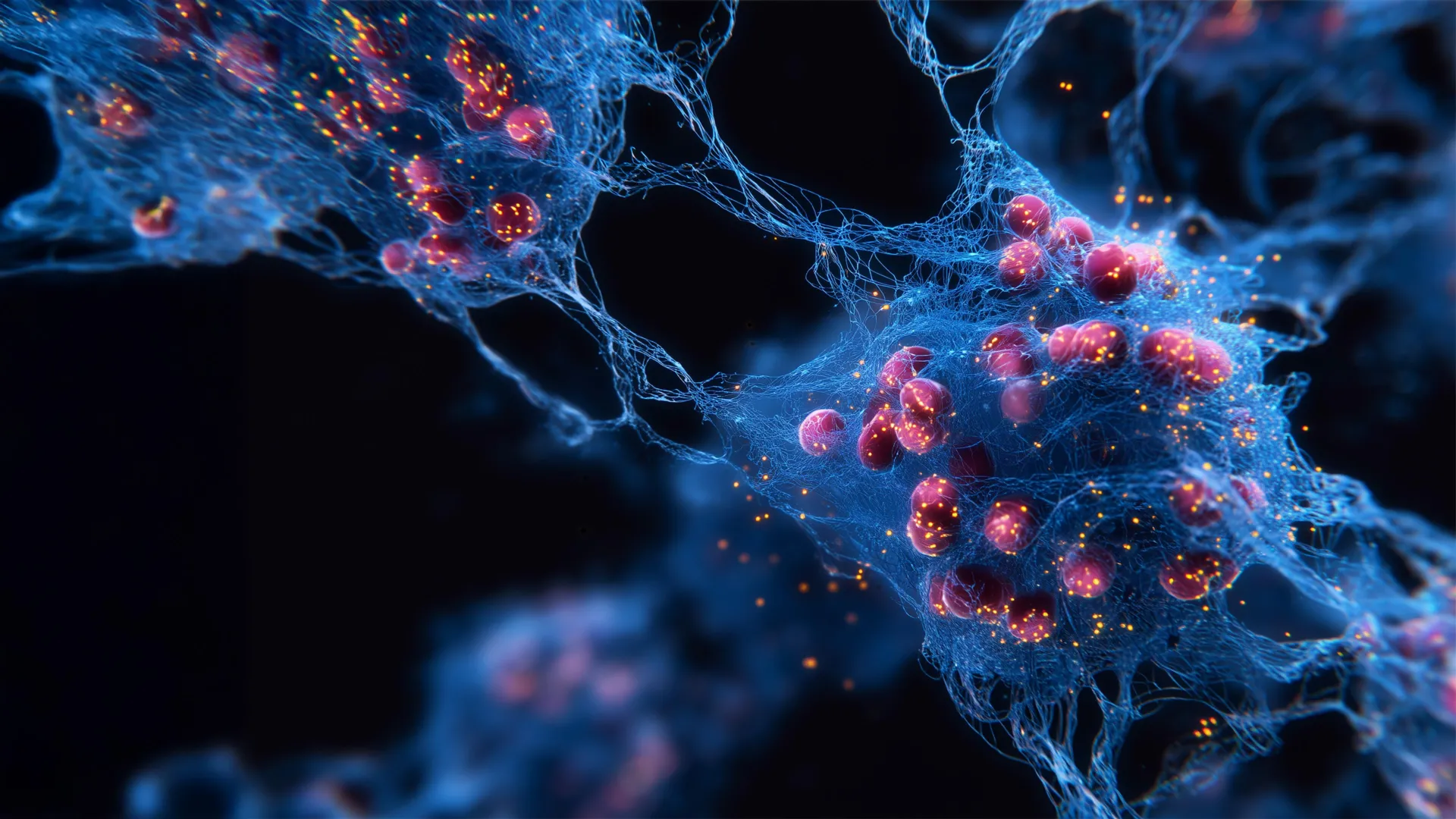
Why do some people stay mentally sharp even when their brains show signs of Alzheimer’s disease? Scientists in the Netherlands may have uncovered an important clue hidden in a rare group of immature brain cells. Researchers discovered that these cells remain present even in people over 80, but their behavior differs dramatically between those who develop dementia and those who remain cognitively healthy.

📅 2026-10-27 04:02:26    •    ScienceDaily
Mayo Clinic discovers new ways to fight the “zombie” cells that drive aging
Science News

Mayo Clinic discovers new ways to fight the “zombie” cells that drive aging

Mayo Clinic scientists have uncovered surprising new insights into “zombie cells,” aging cells that linger in the body and contribute to inflammation and disease. Seven studies reveal why these cells are harmful and identify new strategies for targeting them, including a natural compound found in tomatoes. In aging mice, experimental treatments reduced inflammation and improved physical and brain health. The findings could open the door to therapies that combat some of the biological processes behind aging.

📅 2026-10-27 02:32:38    •    ScienceDaily
1.9-million-year-old discovery rewrites the story of human evolution
Science News

1.9-million-year-old discovery rewrites the story of human evolution

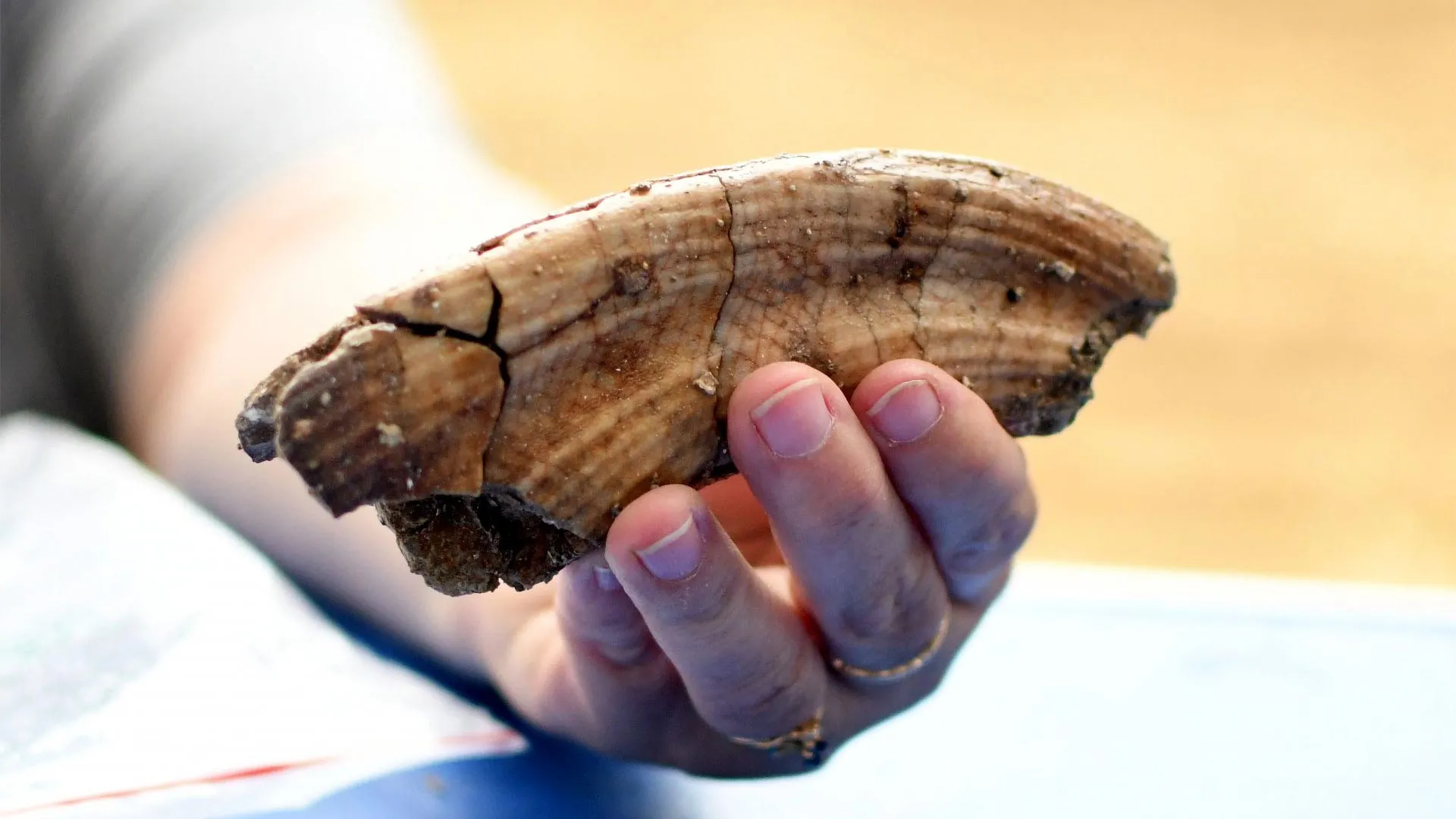
New evidence suggests that early humans reached the Jordan Valley at least 1.9 million years ago, hundreds of thousands of years earlier than scientists previously thought. Advanced dating methods revealed that the ‘Ubeidiya site is roughly as old as the famous Dmanisi site in Georgia, placing both among the earliest known human settlements outside Africa.

📅 2026-10-27 01:35:08    •    ScienceDaily
The surprisingly simple exercise that could lower your blood pressure
Science News

The surprisingly simple exercise that could lower your blood pressure

A surprisingly simple exercise routine could help lower blood pressure without requiring daily workouts or expensive equipment. In a study of 100 adults, researchers found that wall squats performed just once or twice a week helped maintain significant reductions in systolic blood pressure over the short term.

📅 2026-10-27 00:57:45    •    ScienceDaily
Scientists solve a 30-year mystery behind inflammatory bowel disease
Science News

Scientists solve a 30-year mystery behind inflammatory bowel disease

Scientists have identified a hidden cause of inflammatory bowel disease: antibodies that disable the immune system’s natural ability to control inflammation, potentially explaining severe illness in thousands of patients. The breakthrough also solves a 30-year genetic mystery and could pave the way for more precise diagnoses and targeted treatments.

📅 2026-10-26 23:57:03    •    ScienceDaily
NASA's Swift observatory ends 22-year mission, will crash to Earth 'in the next few weeks'
Science News

NASA's Swift observatory ends 22-year mission, will crash to Earth 'in the next few weeks'

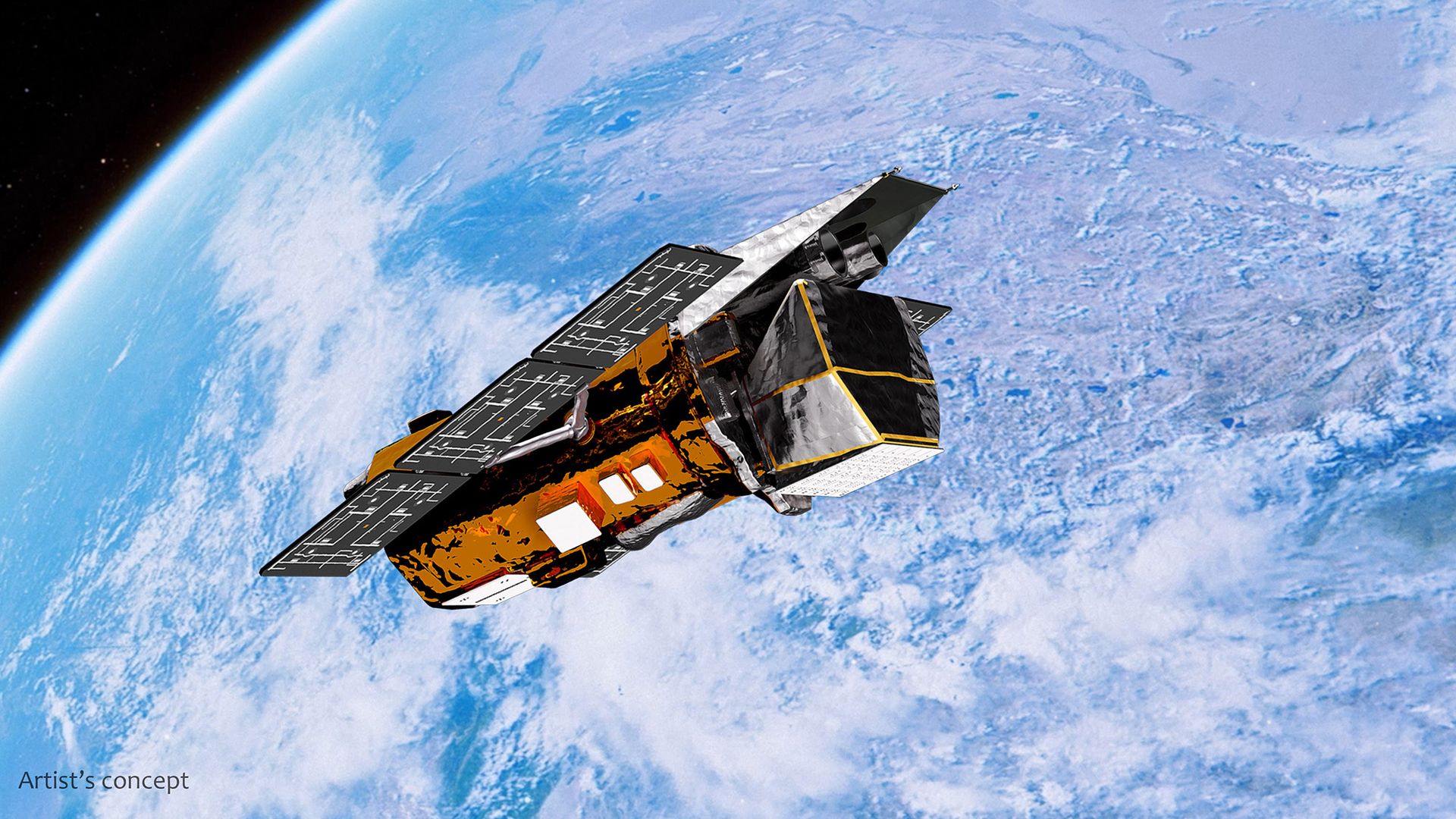
A pioneering NASA space telescope is no more. In sad news for Swifties everywhere, the Neil Gehrels Swift Observatory has officially ended its mission after more than 20 years of tracking the most powerful explosions in the universe since the Big Bang. According to a NASA announcement, the Swift team shut down the telescope's science operations Tuesday (Oct. 20) after the observatory fell too low in its orbit to continue taking reliable measurements of the cosmos. In the coming weeks, Swift will drop even further, eventually passing a point of no return and taking a fiery plunge through Earth's atmosphere.The observatory is the latest victim of intense solar activity, which increases the dra...

📅 2026-10-26 21:45:22    •    Live Science
Volcanoes lurk behind the scenes of human history
Science News

Volcanoes lurk behind the scenes of human history

Volcanoes have cast a shadow over climate and history. Cold spurts after eruptions may have spurred famine, disease, revolts and other events.

📅 2026-10-26 18:00:00    •    Science News
A neglected particle from the dawn of time could explain why everything in the universe exists
Science News

A neglected particle from the dawn of time could explain why everything in the universe exists

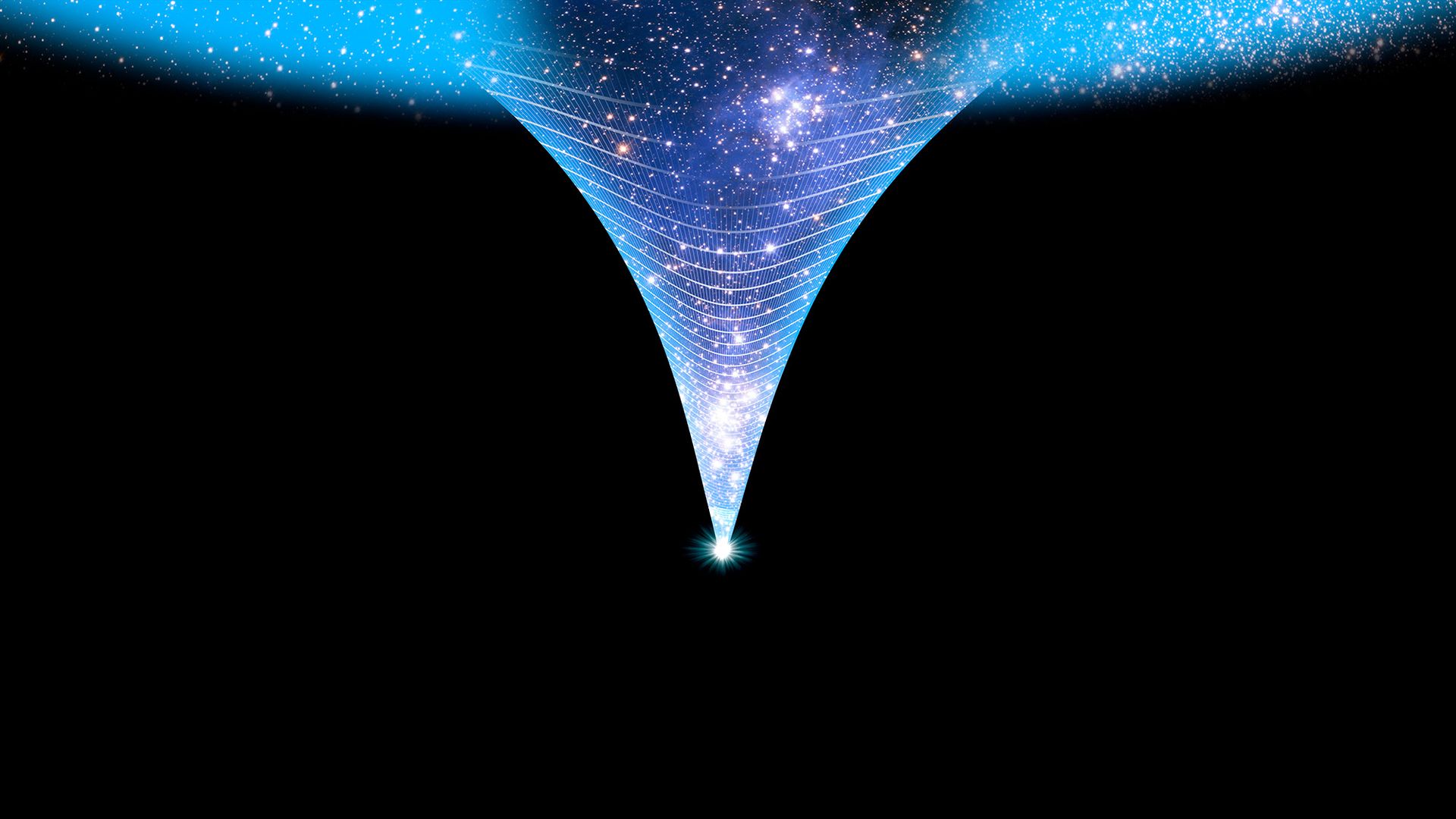
A neglected "ghost particle" may have dominated the universe right after the Big Bang ‪—‬ changing how the cosmos expanded in its first moments and reshaping the conditions under which matter won out over antimatter, a new study suggests. In other words, it may explain why anything exists at all.The particle, a hypothetical "right-handed" neutrino, briefly could have held more energy than everything else in the infant universe combined, which would have sped up cosmic expansion and delayed key particle interactions, the study proposes. The research was published Sept. 8 in the journal Physical Review Letters.Neutrinos are ghostly particles that rarely interact with anything. A typical neutri...

📅 2026-10-26 17:50:27    •    Live Science
'A potential glimpse into the future': Climate change has triggered 'permafrost landslides' with house-size blocks of ice in Canada
Science News

'A potential glimpse into the future': Climate change has triggered 'permafrost landslides' with house-size blocks of ice in Canada

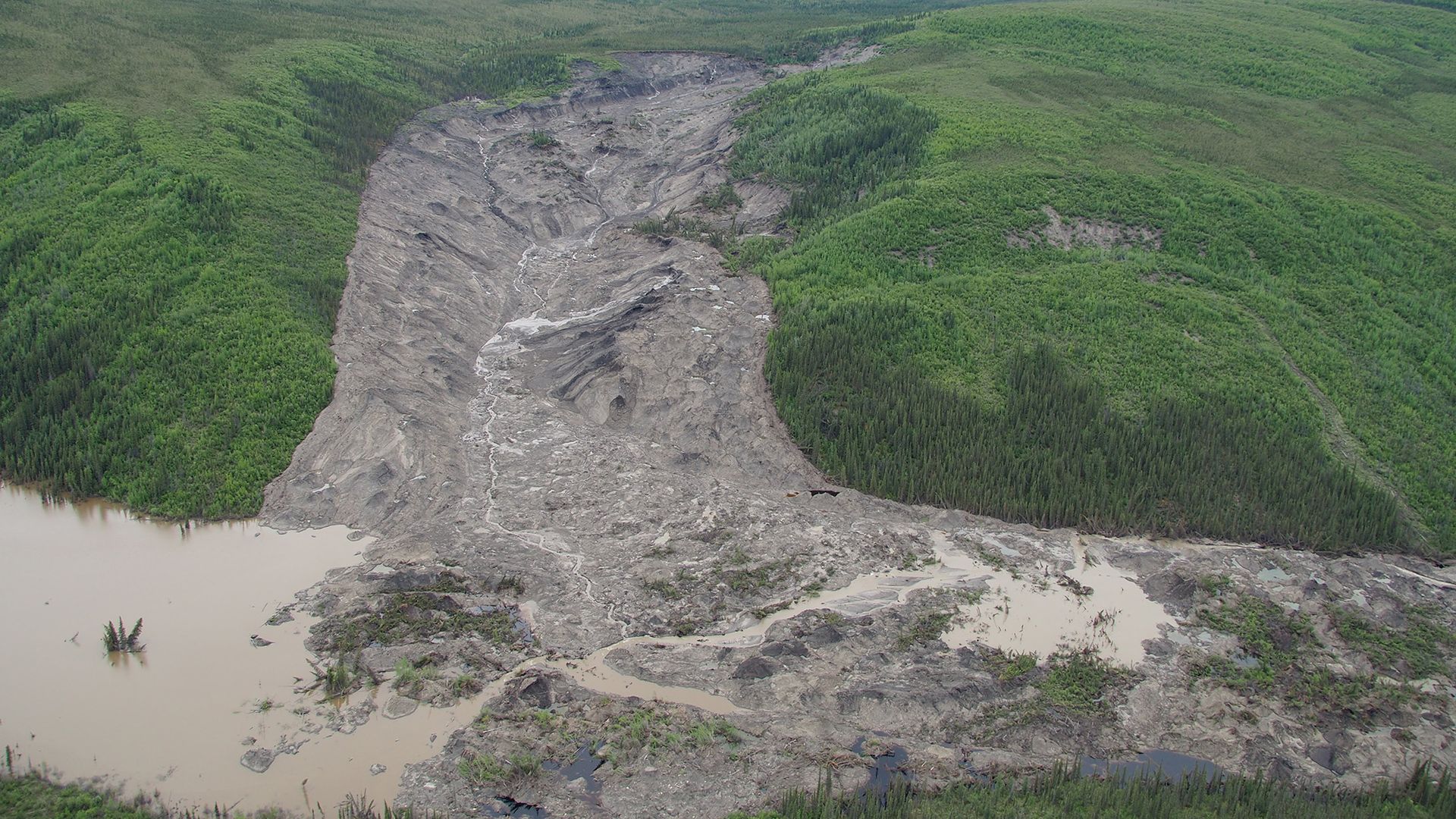
There's a new type of landslide affecting northern latitudes, and it could affect more areas as the planet continues to warm. These landslides, called permafrost detachment slides, occur in areas with relatively thin permafrost and seem to be a long-term impact of wildfire in these environments, according to a paper published Sept. 23 in the journal Geophysical Research Letters. Such slides have not been observed in the region before and may be unprecedented over the past 10,000 years or more, said study leader Joseph Young, who completed the work as part of his doctoral degree at the University of Alberta. "It has been stable, and then it just flipped a switch, essentially," Young told Live...

📅 2026-10-26 15:02:31    •    Live Science