Latest Scientific Discoveries

All News →
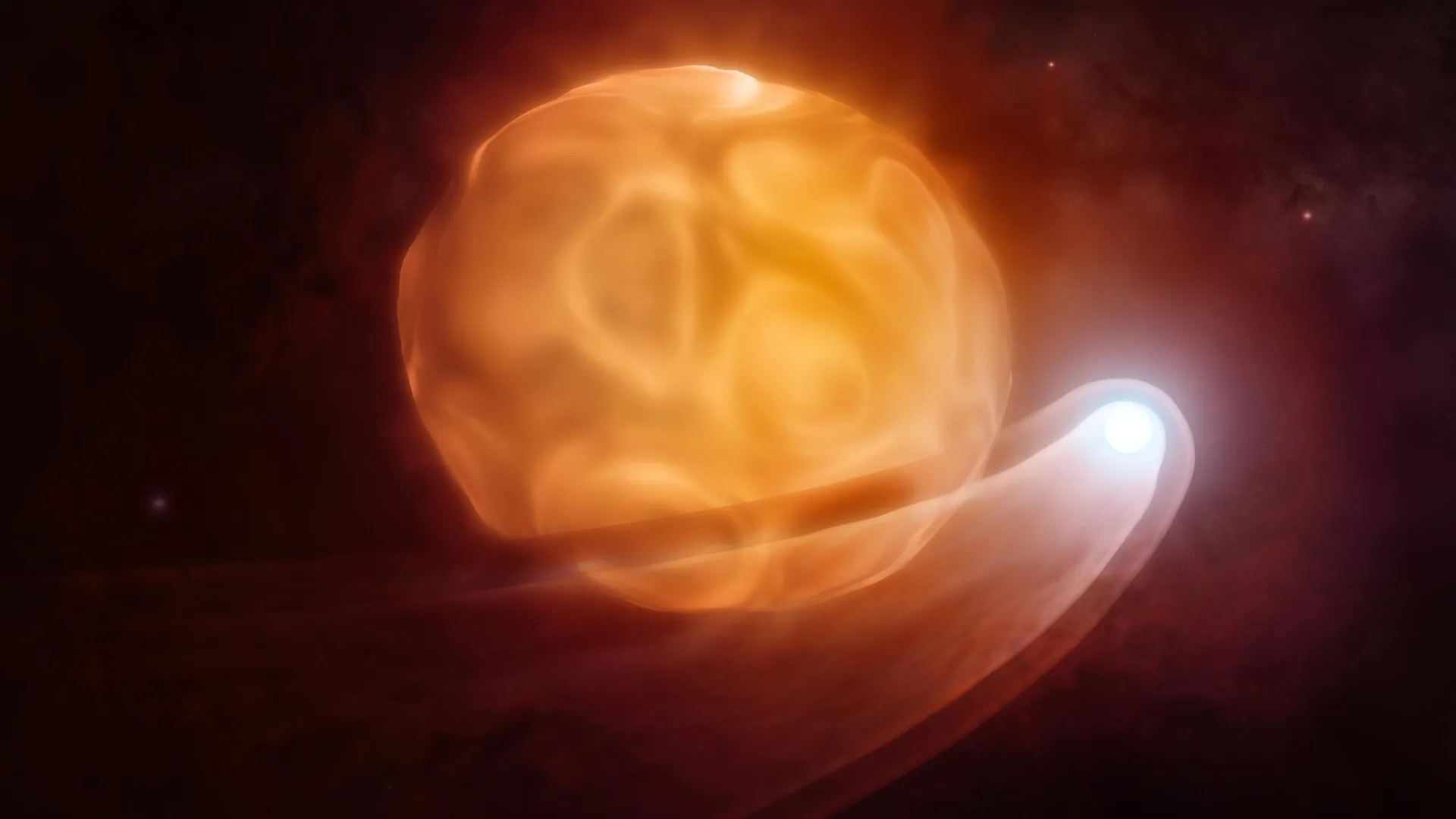
A hidden star is plowing through Betelgeuse’s atmosphere, new evidence suggests
Science News

A hidden star is plowing through Betelgeuse’s atmosphere, new evidence suggests

Something mysterious is disturbing Betelgeuse, and astronomers believe they have identified the culprit: a hidden companion star called Siwarha. New radio observations reveal that the smaller star may be plowing through Betelgeuse’s enormous atmosphere, creating disturbances that subtly stretch and distort the red supergiant’s shape.

📅 2026-11-04 02:52:16    •    ScienceDaily
One in 15 adults has experienced AI-generated image-based abuse, study finds
Science News

One in 15 adults has experienced AI-generated image-based abuse, study finds

Around one in 15 adults has experienced AI-generated image-based abuse, according to a new study. The general-population survey of more than 7,200 adults in the United States, the United Kingdom and Australia found 7% had experienced at least one form of AI-generated image-based abuse since turning 18.

📅 2026-11-04 02:40:01    •    Phys.org
Lab-grown neurons retain features of embryonic development
Science News

Lab-grown neurons retain features of embryonic development

Scientists from Skoltech, together with colleagues from the Kharkevich Institute for Information Transmission Problems of the Russian Academy of Sciences, Lomonosov Moscow State University and other organizations, conducted a comparative study of the 3D genome organization in neurons derived from induced pluripotent stem cells and in neurons of the adult human brain. The authors collected and processed more than 300 3D genome maps covering 62 human samples and 34 mouse samples, including data on embryonic stem cells, induced pluripotent stem cells, neural progenitors, fetal and postmortem neurons, as well as neurons differentiated in vitro.

📅 2026-11-04 02:00:06    •    Phys.org
Shared data ecosystem could help scientists explore new biological connections
Science News

Shared data ecosystem could help scientists explore new biological connections

Scientists generate vast amounts of research data, but connecting information across studies can be difficult. The NIH Common Fund Data Ecosystem is working to change that by making research data sets from 18 NIH programs easier to find, connect and analyze.

📅 2026-11-04 01:40:01    •    Phys.org
Digitalization front-runners are more vulnerable to cyberattacks
Science News

Digitalization front-runners are more vulnerable to cyberattacks

For many business leaders, digitalization is associated with promises of greater efficiency and productivity. However, a new study by professor of accounting Jukka Sihvonen from the University of Vaasa, Finland, suggests that increasing digitalization may also raise a company's risk of falling victim to a successful cyberattack. The study has been published in the journal British Journal of Management.

📅 2026-11-04 01:30:01    •    Phys.org
Kids who eat more ultra-processed foods show a troubling brain response
Science News

Kids who eat more ultra-processed foods show a troubling brain response

A new study suggests that ultra-processed foods may influence children's developing brains in ways that encourage weight gain. Researchers from USC studied 46 children ages 7 to 10 and found that those who ate more ultra-processed foods showed stronger activity in the brain's reward system when viewing tempting foods like cookies and French fries. These heightened brain responses were linked to greater increases in body fat and body mass index (BMI) one year later, suggesting that the brain's sensitivity to food cues may help explain why ultra-processed diets are associated with obesity.

📅 2026-11-04 01:00:13    •    ScienceDaily
Study maps Nelore cattle microbiota to reduce methane emissions
Science News

Study maps Nelore cattle microbiota to reduce methane emissions

Researchers at the Brazilian Agricultural Research Corporation (EMBRAPA) are studying the relationship between the genetics of Nelore cattle and the microorganisms in their guts (microbiota). Nelore cattle are the most widely raised beef breed in Brazil. The goal is to develop strategies that reduce emissions of methane—a major greenhouse gas—and improve the animals' feed efficiency.

📅 2026-11-04 01:00:01    •    Phys.org
North Atlantic's 'cold blob' may contain climate nuance
Science News

North Atlantic's 'cold blob' may contain climate nuance

Climate observers have long tied the strength of a major ocean current to water temperatures in the so-called "cold blob" in the North Atlantic Ocean. The 965,000-square-mile (2.5 million square kilometers) area south and southeast of Greenland cooled by as much as 1.8 degrees Fahrenheit over the past century as other ocean waters warmed.

📅 2026-11-04 00:40:06    •    Phys.org
How the nasal microbiome can help potentially harmful bacteria thrive
Science News

How the nasal microbiome can help potentially harmful bacteria thrive

Our noses are home to many different species of bacteria living side by side. One of them may be S. aureus. Many people carry this bacterium without knowing it, although it can cause serious infections. Why S. aureus colonizes some people persistently but not others remains only partly understood.

📅 2026-11-04 00:40:02    •    Phys.org
US midterm elections: Younger politicians could strengthen trust in democracy
Science News

US midterm elections: Younger politicians could strengthen trust in democracy

It's no secret that American politics is dominated by older politicians. When 81-year-old Joe Biden withdrew from the 2024 presidential race amid concerns about his age, it was the then-78-year-old Donald Trump who ultimately entered the White House. The median age in the House of Representatives and the Senate was 58 and 65, respectively, while the average American was just 39 years old.

📅 2026-11-04 00:20:02    •    Phys.org