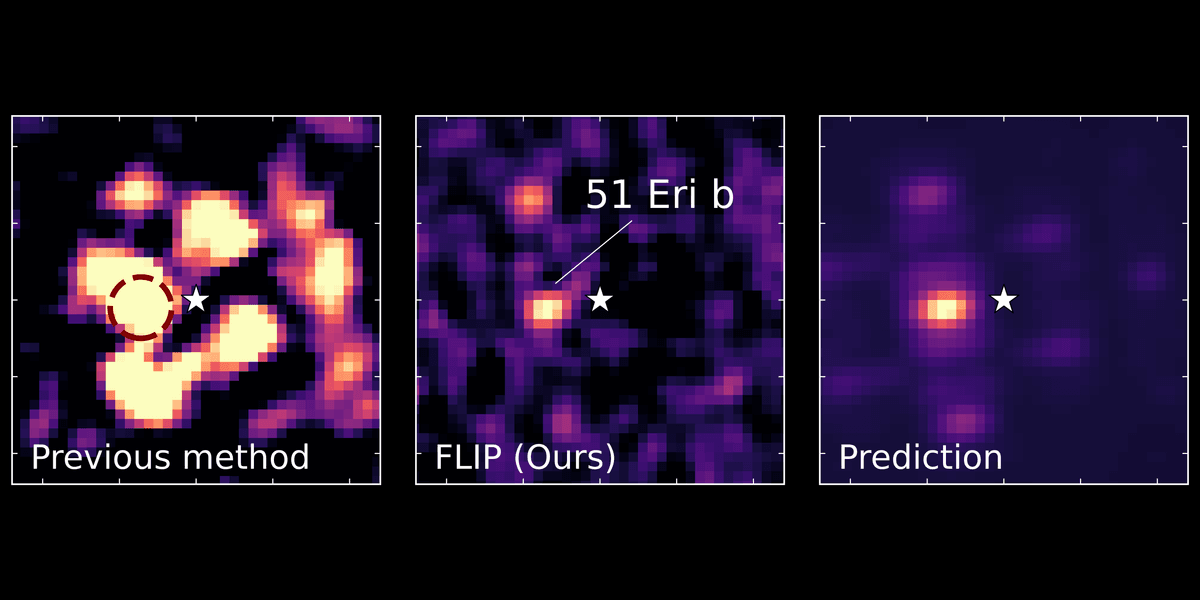
NASA’s James Webb Space Telescope is wobbly—scientists have a fix that could reveal new alien worlds
By modeling the James Webb Space Telescope’s tiny movements, a new technique can reveal up to 15 times fainter alien worlds
Explore the latest scientific discoveries, science news, breakthroughs and developments from around the world.
By modeling the James Webb Space Telescope’s tiny movements, a new technique can reveal up to 15 times fainter alien worlds
New findings could help explain why cognitive exhaustion feels so crummy
Scientists have discovered a compound that transforms a natural muscle-repair protein into a more powerful version dubbed "Super HGF," more than doubling its ability to bind to a key receptor while protecting it from age-related chemical damage. The breakthrough, supported by early mouse experiments, could eventually help combat muscle loss and preserve strength as people age.
Scientists propose that the brain’s mysterious cross-wiring, which connects each hemisphere to the opposite side of the body, may have originated more than 500 million years ago in the visual systems of ancient fish. Rather than evolving for a specific advantage, this unusual arrangement may simply be a legacy of evolution building new brain circuits on an ancient foundation.
A new study warns that permanent daylight saving time could force American children to make at least 2 billion additional school commutes in darkness, potentially increasing safety risks and disrupting their biological clocks. Researchers found that fatal crashes involving school-aged pedestrians were roughly twice as likely during dark mornings as after sunrise.
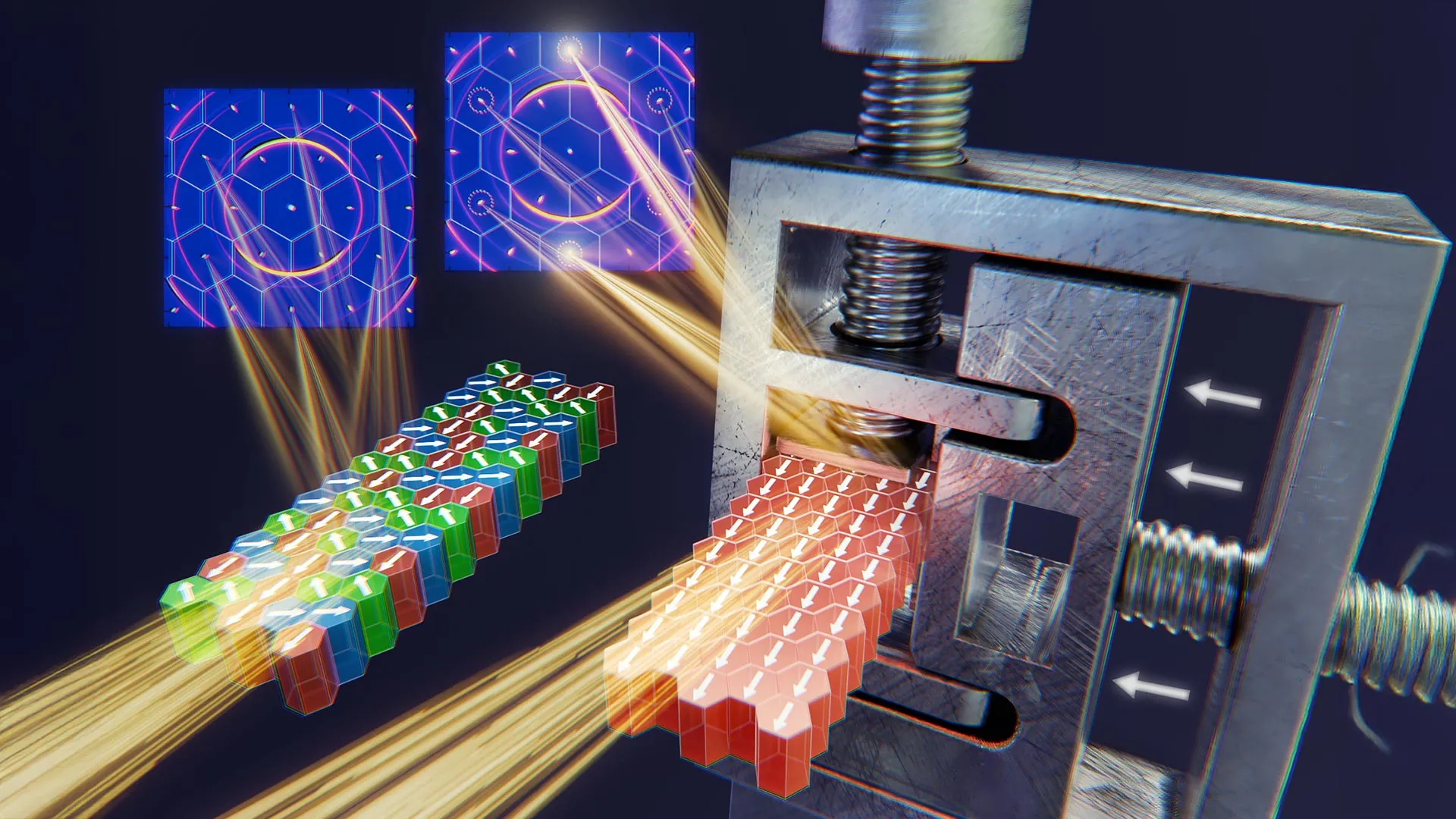
Scientists have discovered that a simple mechanical squeeze can dramatically alter the magnetic properties and electrical behavior of exotic materials called altermagnets. The surprising breakthrough could open the door to faster, more energy-efficient electronics and new technologies for quantum computing.
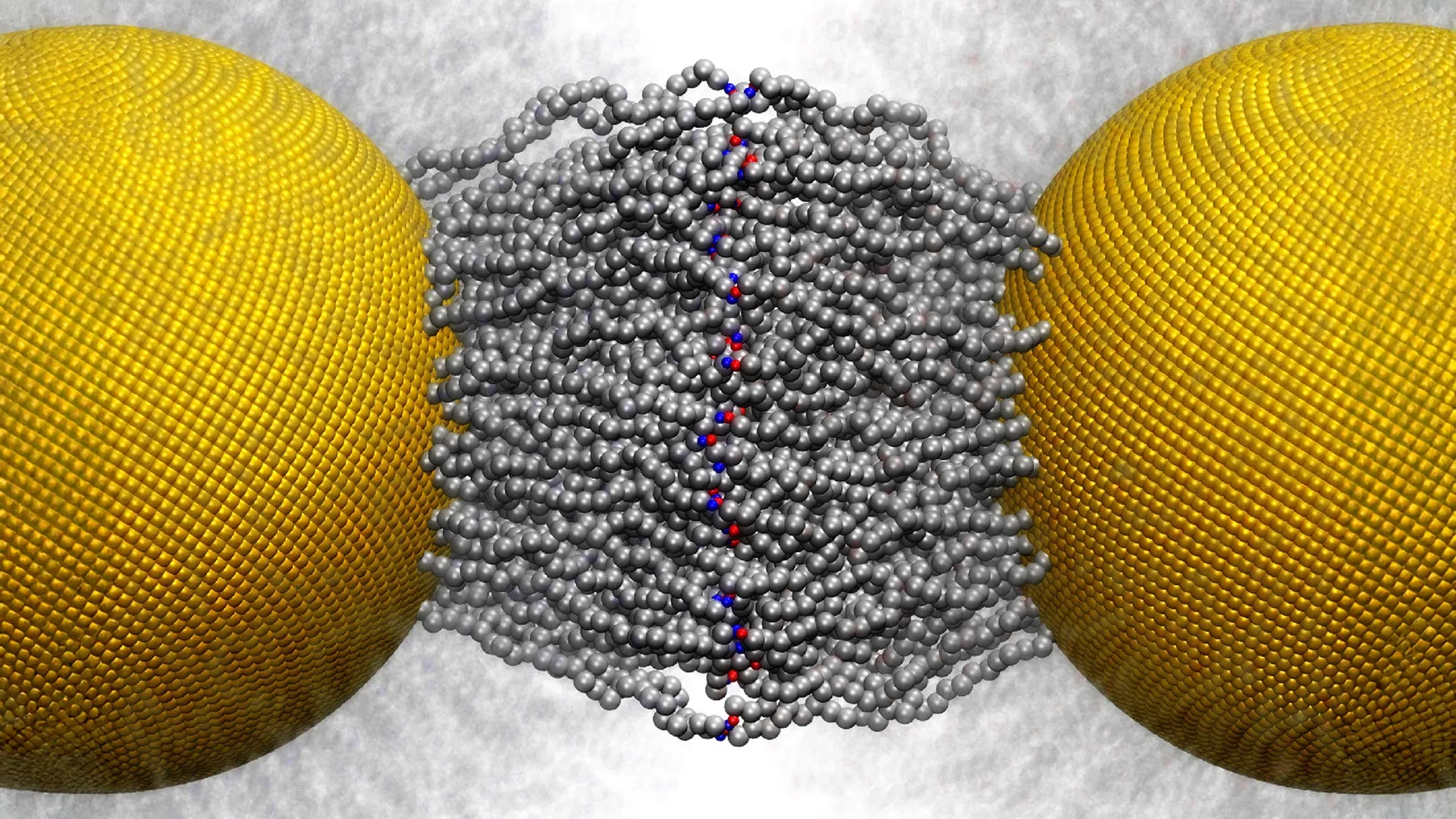
MIT scientists have challenged two decades of conventional thinking by discovering that flexible molecular connections, rather than rigid ones, can unlock entirely new ways to arrange nanoparticles. The breakthrough could lead to a new generation of designer materials with unusual properties and applications in electronics, medicine, and energy.
Consumers are more willing to pay for sustainable products if they also perceive them as enjoyable and appealing, according to a study conducted at the University of Eastern Finland. However, environmental friendliness alone does not always translate into willingness to pay.
California has had relatively few major wildfires since the January 2025 Los Angeles fires, but unmet priorities could spell disaster at any time.
Bats can produce ultrasonic pulses with high frequencies between 20,000 and 120,000 hertz, which are inaudible to humans. The sound waves they produce travel forward, hitting nearby objects and bouncing back in the form of echoes.
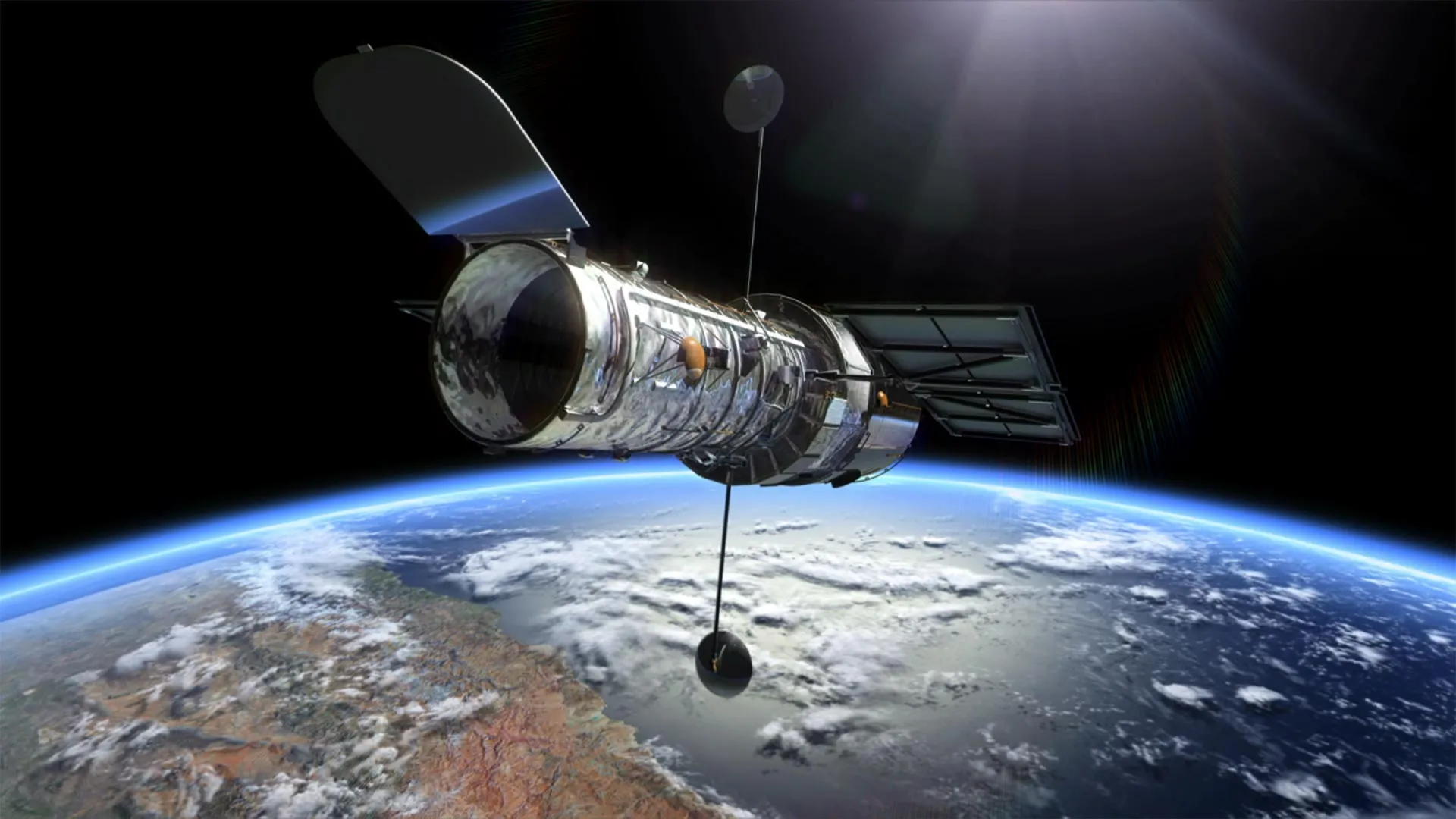
NASA is exploring a daring plan to save the legendary Hubble Space Telescope from its eventual fiery plunge into Earth's atmosphere. After more than 35 years of groundbreaking discoveries, Hubble is slowly losing altitude, and without intervention, it could fall back to Earth as early as 2033 or 2034. To keep the iconic observatory operating, NASA is asking private space companies to propose innovative ways to boost Hubble into a higher orbit, upgrade its capabilities, or safely dispose of it when its mission finally ends.
How soybeans became the hidden ingredient powering the U.S.