Latest Science & Research News

Stay informed about scientific discoveries, research developments and new findings from around the world.

Latest News

View All →
Brain scans reveal which disorders are linked to faster brain aging
Science News

Brain scans reveal which disorders are linked to faster brain aging

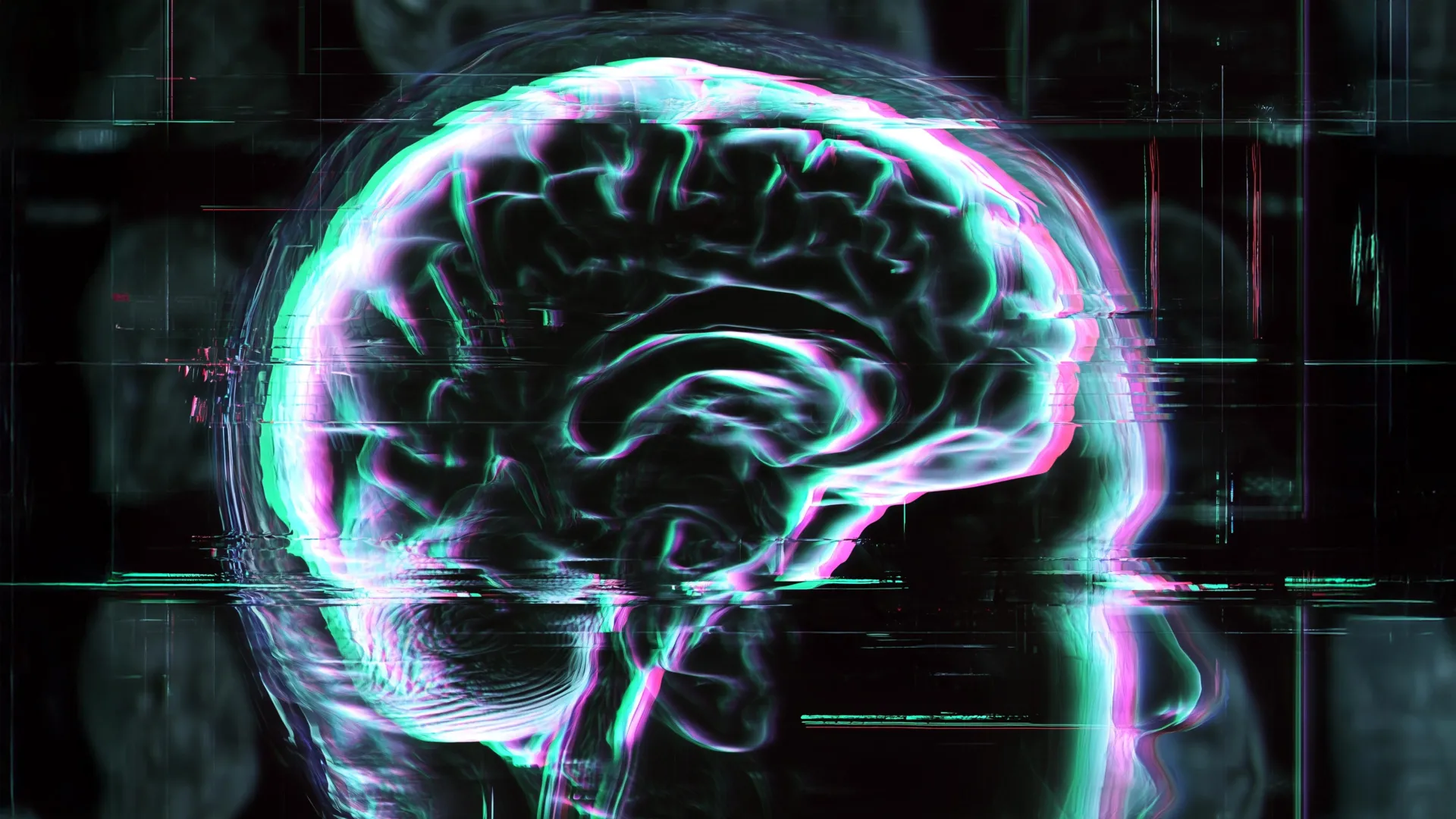
A massive MRI study found that Alzheimer’s disease, mild cognitive impairment, psychiatric disorders, and addiction are associated with distinct patterns of accelerated brain aging. The strongest effects appeared in Alzheimer’s and mild cognitive impairment, while ADHD and autism showed no significant overall difference.

📅 2026-09-29 11:01:18    •    ScienceDaily
Read Original Article →
Towering 'sponge' dome in Brazil is the secret source of nearby hot springs
Science News

Towering 'sponge' dome in Brazil is the secret source of nearby hot springs

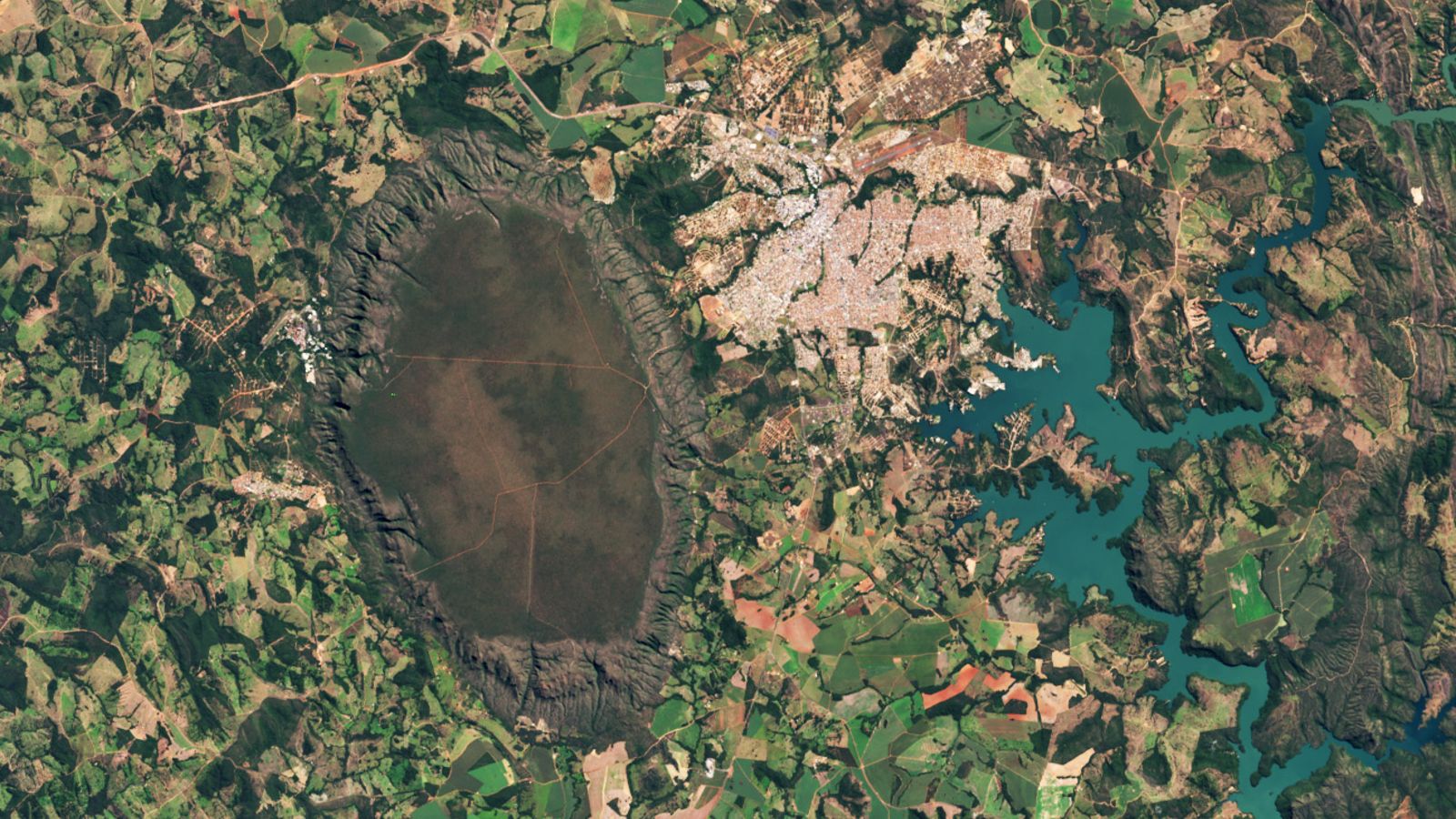
QUICK FACTSWhere is it? Caldas Novas, Goiás, Brazil [-17.788739460, -48.70589106]What's in the photo? A giant, sponge-like dome towering above its surroundingsWhich satellite took the photo? Landsat 9When was it taken? May 19, 2025This striking satellite snap shows a giant, "sponge-like" dome towering over central Brazil. The dark monolith and the rare biome that covers it are key to the region's famed hot springs. The imposing oval structure, which is around 12 miles (20 kilometers) long and 7 miles (12 km) across, is known as the Caldas Novas dome, or Serra de Caldas, according to NASA's Earth Observatory. It is located in southeast Goiás state and towers up to 1,000 feet (300 meters) abov...

📅 2026-09-29 10:56:35    •    Live Science
Read Original Article →
How bumblebees keep up with a flower that won't stay still
Science News

How bumblebees keep up with a flower that won't stay still

Landing on a moving target is a challenge for all flying animals. For bumblebees, a flower swaying in the wind creates an erratic landing pad. Reaching it means matching its sideways motion while continuing to face it. When the bee turns in flight, its view of the flower changes, which complicates the feat.

📅 2026-09-29 10:40:02    •    Phys.org
Read Original Article →
The super El Niño could cause torrential rainstorms. Americans may need to stock up on food to prepare, experts say.
Science News

The super El Niño could cause torrential rainstorms. Americans may need to stock up on food to prepare, experts say.

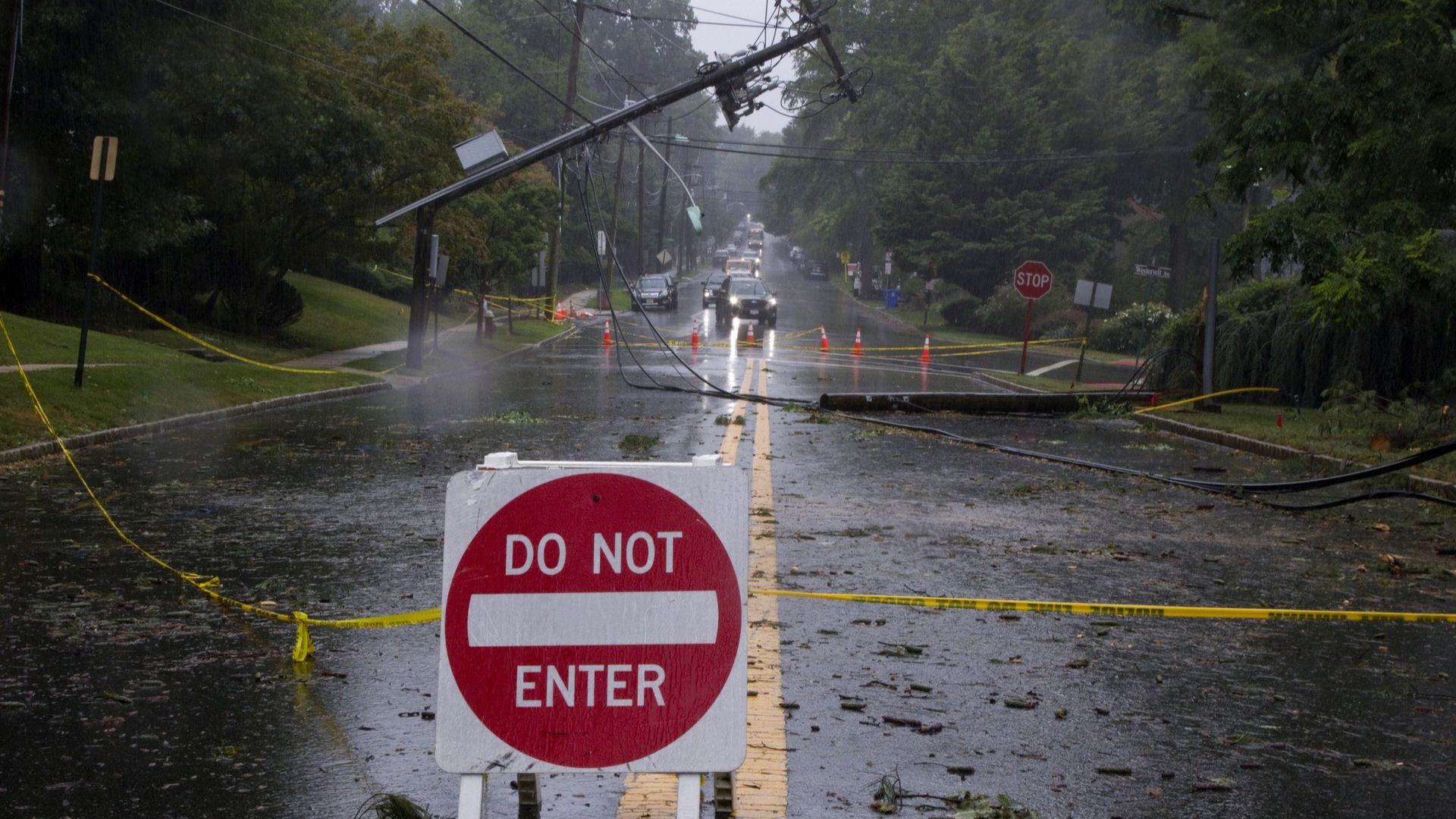
Researchers have warned all summer that this year's El Niño could be record-breaking and fuel extreme weather across the globe. Earlier this month, the U.K. Secretary of State for Environment, Food and Rural Affairs urged people in Britain to stock up on food, bottled water and other basic supplies to prepare for potential severe storms this winter."We're about to experience probably the largest El Niño that has ever been seen," Dame Angela Eagle told The Guardian on Sept. 3. "If you’ve got a store of a bit of food that can keep you going for a while before the emergency services can get to you, you’re going to be a lot better off than if you haven't."But could extreme weather really limit a...

📅 2026-09-29 10:15:00    •    Live Science
Read Original Article →
Newly discovered iron minerals might hold primordial water from when Earth formed
Science News

Newly discovered iron minerals might hold primordial water from when Earth formed

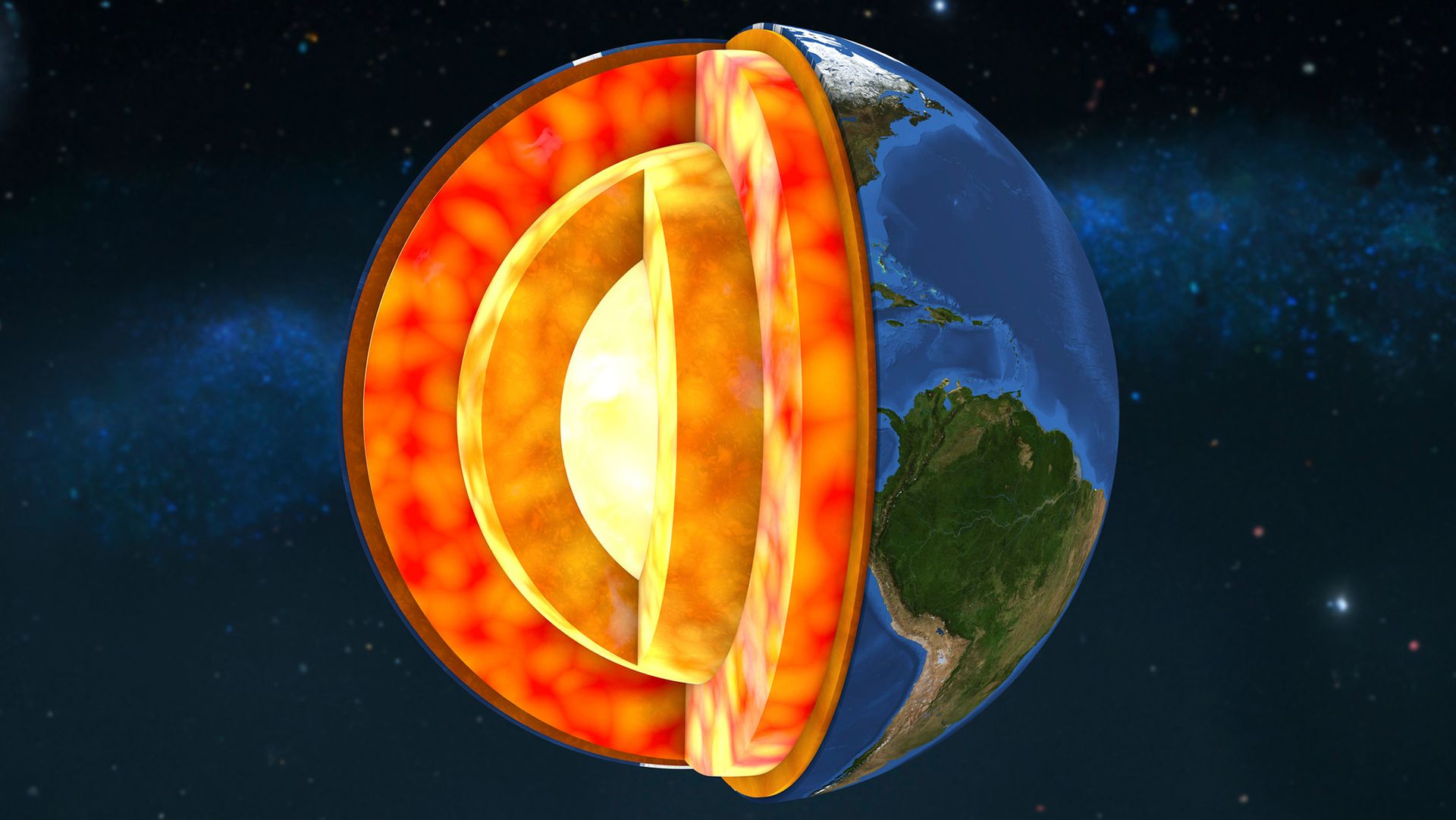
Newly discovered iron minerals could be the missing link in how water is stored in the deepest parts of Earth's mantle and transported to the upper layers, recent research reveals. The findings are crucial for understanding the mantle's motion, volcanic activity and the workings of other rocky planets, the study authors say.The researchers discovered the iron minerals, called iron oxyhydroxides, by squishing mineral samples between two tiny diamond anvils while zapping them with a laser.The two iron minerals are stable at the conditions found at the boundary between Earth's core and its mantle (the planet's middle layer), which is under "more than a million times the pressure we feel at the ...

📅 2026-09-29 10:00:00    •    Live Science
Read Original Article →
AI tool for mapping smallholder crops proves itself in Senegal
Research Institutions

AI tool for mapping smallholder crops proves itself in Senegal

AI tool for mapping smallholder crops proves itself in Senegal Anonymous (not verified) Tue, 09/29/2026 - 08:00 A new analysis of Senegalese croplands using an artificial intelligence developed at the University of Cambridge shows how technological benefits enjoyed by industrial agriculture could be brought to smallholder farms in Senegal and other countries in the Global South.Researchers used Cambridge’s Tessera, an open-source AI model trained on satellite images, to map crops in Senegal’s groundnut basin. They found that Tessera was more accurate than current methods, getting the right result 84% of the time in tests while using only a fraction of computational resources and pre-labelled...

📅 2026-09-29 07:00:00    •    Cambridge News
Read Original Article →
Who we become when we talk to machines
Research Institutions

Who we become when we talk to machines

Brian, a middle-aged financial consultant, spends his day sitting in front of three screens. Two of them involve his job. The third features a chatbot, which he has given a woman’s name and frequently uses. Brian spent years on the road for work earlier in his career, has never married, and recently broke up with a woman who said he was emotionally unavailable. What did Brian do, in response? He asked the chatbot if the woman had a point. “It’s an extraordinary moment,” writes MIT Professor Sherry Turkle, who interviewed Brian (not his real name) while conducting her research for her new book about chatbots. “Brian asks an object with no emotions to tell him if he is emotionally withholding:...

📅 2026-09-29 04:00:00    •    MIT News
Read Original Article →

The effects of an “algorithmic monoculture” depend on the details
Research Institutions

The effects of an “algorithmic monoculture” depend on the details

AI tools are increasingly replacing human judgements in some settings. For instance, resume screening algorithms are often used in hiring, where they may improve efficiency and consistency in decision-making.But some scholars have raised concerns that the adoption of automated systems could eventually result in one algorithm being used to make all decisions in a particular industry. They worry so-called algorithmic monoculture could have negative consequences.For example, in hiring, the thinking goes that algorithmic monoculture might result in systematic exclusion — a situation in which a job candidate rejected by one firm’s algorithm would likely also be rejected by every other firm’s algo...

📅 2026-09-29 04:00:00    •    MIT News
Read Original Article →
Powered by muscle cells, a paper-thin robot swims through watery maze
Research Institutions

Powered by muscle cells, a paper-thin robot swims through watery maze

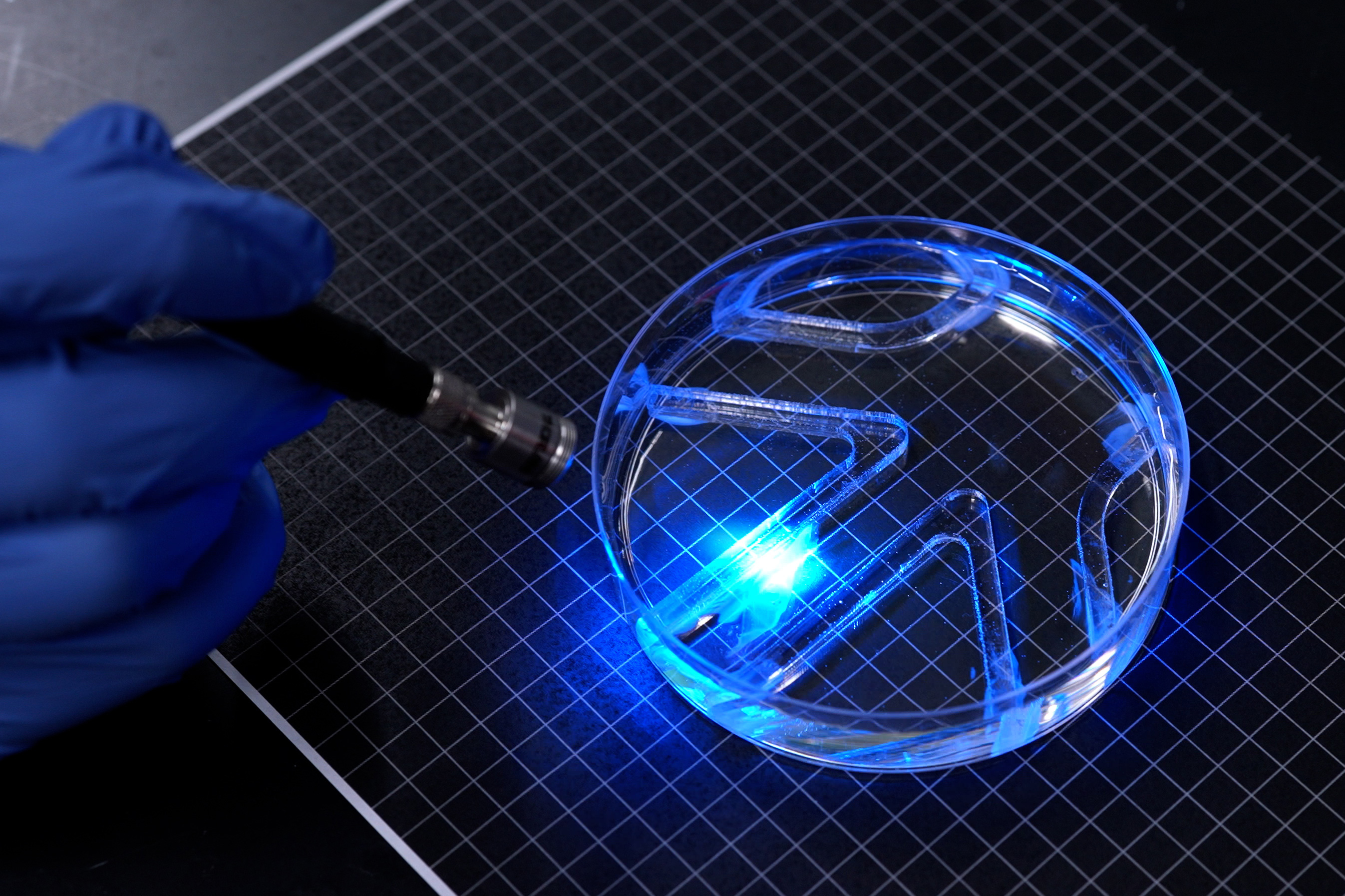
Swimming can take a lot of muscle. But as MIT engineers have found, even a single layer of muscle cells can power through water if designed right. In a paper appearing today in the journal Advanced Functional Materials, the team presents a design for a thin, muscle-powered swimming robot. The “skeleton” of the aquabot is made from a film of gel that is about the length and width of a stick of gum. The two halves of the gel form the “fins” of the bot. Each fin is covered with a layer of live muscle cells that is much thinner than a single strand of hair. The cells are genetically engineered to twitch in response to light. When the researchers shine light on one fin, the muscles on its surface...

📅 2026-09-29 04:00:00    •    MIT News
Read Original Article →
Page 108of 201   •   4,813articles