Latest Science & Research News

Stay informed about scientific discoveries, research developments and new findings from around the world.

Latest News

View All →
Mapping the 'social network' of proteins in the cell to understand how genes shape living things
Science News

Mapping the 'social network' of proteins in the cell to understand how genes shape living things

One of biology's fundamental questions is how our genes shape who we are. Adrian Serohijos and Stephen Michnick, professors in the Department of Biochemistry and Molecular Medicine at Université de Montréal's Faculty of Medicine, are studying the relationship between genotype and phenotype—that is, how DNA becomes RNA, then protein, and ultimately gives rise to observable characteristics in an individual or any other living organism. "We're trying to unravel the mechanisms of the genome, specifically how the information it encodes is processed inside the cell," Serohijos says.

📅 2026-09-28 21:40:02    •    Phys.org
Read Original Article →
Water-stable catalyst could bring carbon-bond chemistry closer to use in living cells
Science News

Water-stable catalyst could bring carbon-bond chemistry closer to use in living cells

Olefin metathesis is one of the most important reactions in organic chemistry for forming carbon–carbon bonds—for example, in the production of pharmaceuticals, plastics and complex natural products. However, previous ruthenium catalysts that enable this reaction have faced a major challenge: They rapidly degrade in aqueous or biological environments, making their use in natural systems such as cells or blood extremely difficult.

📅 2026-09-28 21:20:08    •    Phys.org
Read Original Article →
Hibernating bacteria can invade hospitals and survive outer space—but their energy budget reveals a weakness
Science News

Hibernating bacteria can invade hospitals and survive outer space—but their energy budget reveals a weakness

A spore is a bacterium's survival capsule: dried almost solid and wrapped in protein armor, with its chemical processes shut down. Bacteria enter this state of hibernation when environmental conditions are unfavorable. What's left is close to indestructible: It can survive boiling, desiccation, radiation and the vacuum of space. NASA once bolted Bacillus spores to the outside of a satellite and left them in orbit for nearly six years; the ones shielded from sunlight were able to come back to life upon returning to Earth.

📅 2026-09-28 21:10:01    •    Phys.org
Read Original Article →
Who's really No. 1? Statisticians build a better way to make sense of competing sports rankings
Science News

Who's really No. 1? Statisticians build a better way to make sense of competing sports rankings

Who, really, is the best player in baseball? Ask five sports media outlets and you may get five different answers. Rankings can vary dramatically from one source to another, change from year to year and leave out different players altogether, making it difficult to determine where there is genuine consensus and where opinions diverge.

📅 2026-09-28 21:00:08    •    Phys.org
Read Original Article →
Parking policy masks anti-Muslim discrimination for communities building new mosques
Science News

Parking policy masks anti-Muslim discrimination for communities building new mosques

When the Islamic Society of Santa Barbara welcomed its community to its newly built mosque in 2019, nearly 19 years had passed since it purchased the property. The city's permitting process alone took 10 years. The project faced delays during 16 public hearings, at which residents of the suburban town of Goleta raised concerns, particularly about where worshippers would park their cars.

📅 2026-09-28 20:40:09    •    Phys.org
Read Original Article →
Invasive marine species set to take advantage of rising seas
Science News

Invasive marine species set to take advantage of rising seas

More than two-thirds of newly flooded coastlines worldwide could become suitable habitat for 122 non-native marine species—including Chinese mitten crabs, Pacific oysters and Asian tiger shrimp—by the middle and end of this century. The research, published in Nature Ecology & Evolution, identifies coastal regions at heightened risk, including the eastern United States, the Gulf of Mexico, coastlines bordering the North Sea, southeastern China and northern Australia.

📅 2026-09-28 20:40:01    •    Phys.org
Read Original Article →
Coast redwoods slow their 'breathing' and 'eating' when temperatures spike
Science News

Coast redwoods slow their 'breathing' and 'eating' when temperatures spike

California's iconic coast redwoods are used to growing in cool, coastal areas where the average temperature is around 59 degrees F (15 degrees Celsius). But as average yearly temperatures rise and heat waves push temperatures above 100 degrees F (38 degrees Celsius), the trees are responding by slowing the very process that nourishes them, according to a study from the University of California, Davis.

📅 2026-09-28 20:00:14    •    Phys.org
Read Original Article →
Road testing: Research team studies potholes in quest for better asphalt sustainability
Science News

Road testing: Research team studies potholes in quest for better asphalt sustainability

A Missouri S&T research team is studying asphalt binders, the materials that hold road materials together, to better understand how they perform and help improve the durability of Missouri's roads. Because roads are constantly exposed to sunlight, changing weather and the stress of daily traffic, these binders can break down over time, making reliable testing essential.

📅 2026-09-28 20:00:09    •    Phys.org
Read Original Article →
'Listen, father!': 1,700-year-old tomb discovered in Egypt contains a poem in ancient Greek and spells to protect the dead
Science News

'Listen, father!': 1,700-year-old tomb discovered in Egypt contains a poem in ancient Greek and spells to protect the dead

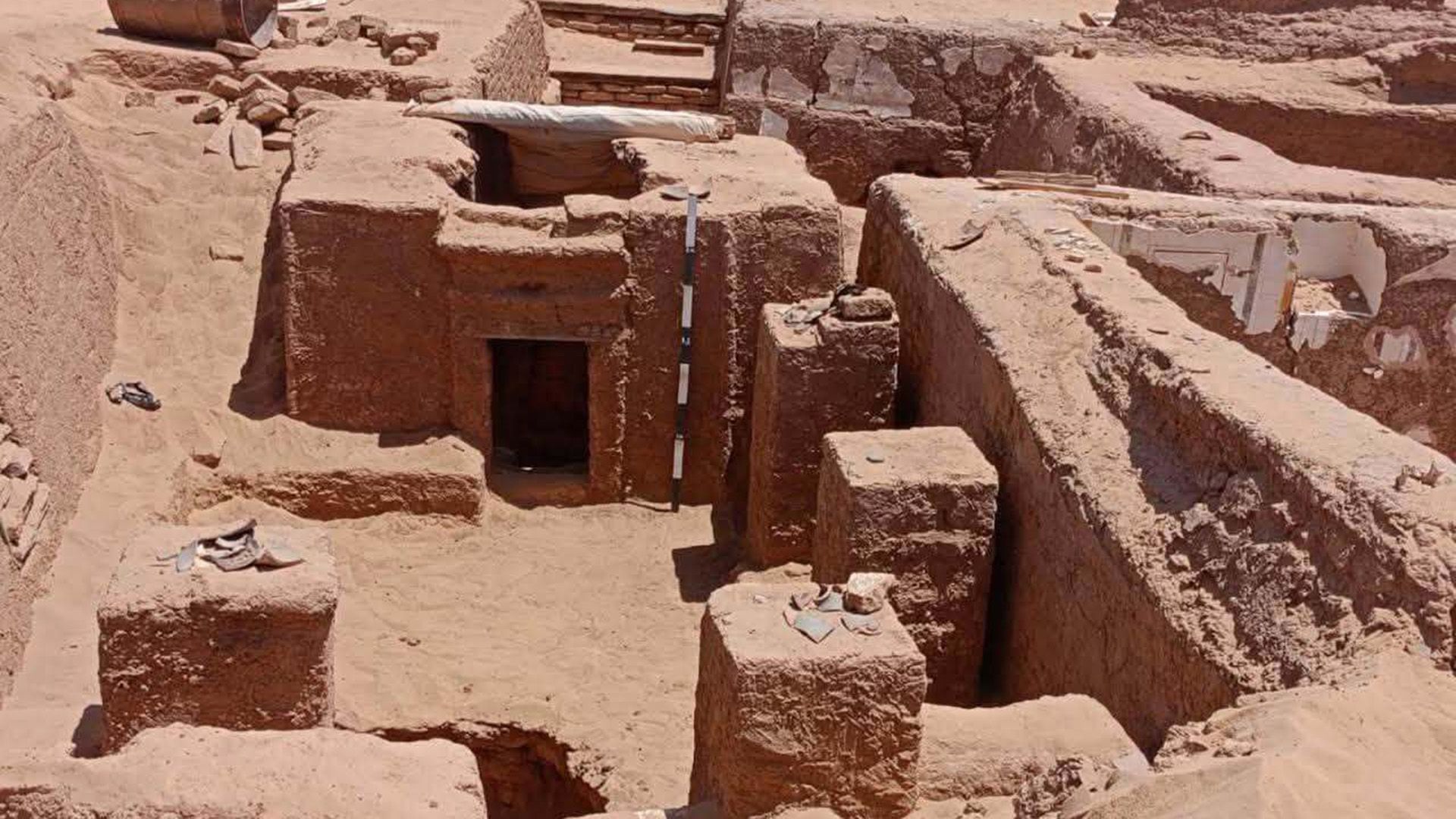
Archaeologists in Egypt have discovered a 1,700-year-old limestone tomb with a rare poem inscribed on it in ancient Greek, likely from a son lamenting his father's death. The tomb, which has a pyramid-shaped roof, dates to the fourth century, when the Roman Empire controlled Egypt. A team found it in the Dakhla Oasis, near ancient Mothis (modern-day Mut), a prominent city in the oasis. Built for a husband and wife, the tomb has a stone plaque containing a 19-line poem written in ancient Greek, representatives of the Egyptian Ministry of Tourism and Antiquities said in a translated statement. The deceased man was named Pisechtes and may have been a judge. However, the statement didn't mention...

📅 2026-09-28 19:44:23    •    Live Science
Read Original Article →
The Andes were supposed to stop this cacao killer. They didn't.
Science News

The Andes were supposed to stop this cacao killer. They didn't.

Black pod disease destroys up to a quarter of the world's cacao every year, roughly 700,000 metric tons worth more than $2 billion. The water mold responsible across the Americas is Phytophthora palmivora, and in Colombia it is the dominant Phytophthora on cacao. How it travels among the country's three Andean regions, though, has remained an open question.

📅 2026-09-28 19:40:01    •    Phys.org
Read Original Article →
How to balance quantum batteries' high power with stable energy delivery
Science News

How to balance quantum batteries' high power with stable energy delivery

Quantum batteries are an emerging area of research, with progress coming from theoretical studies and proof-of-principle experiments in small quantum systems. Unlike conventional chemical batteries used in everyday life, they use quantum systems to store and transfer energy. Researchers are exploring them as potential future energy sources for quantum processors and other quantum technologies.

📅 2026-09-28 19:20:10    •    Phys.org
Read Original Article →
Shared DNA switch turns on genes in both bacteria and yeast
Science News

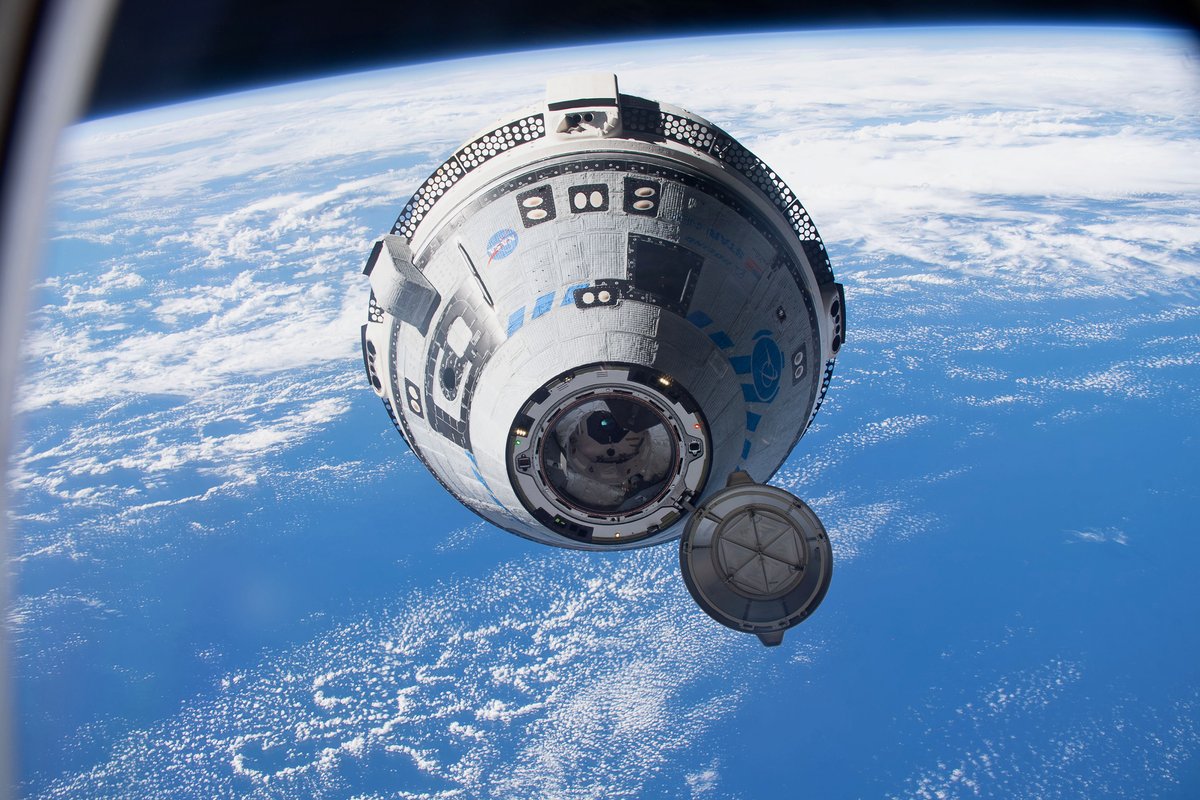
Shared DNA switch turns on genes in both bacteria and yeast

Microbial cell factories that produce pharmaceutical ingredients and other useful compounds include both the bacterium Escherichia coli and yeast, the organism used to leaven bread and ferment alcohol. The two organisms turn genes on by different rules, so a production design built for one has been hard to transfer to the other.

📅 2026-09-28 19:00:10    •    Phys.org
Read Original Article →
Page 110of 201   •   4,813articles