Latest Science & Research News

Stay informed about scientific discoveries, research developments and new findings from around the world.

Latest News

View All β†’
3,000-year-old burial of ancient Egyptian horse found β€” and a nearby stone carving depicts a captured prisoner
Science News

3,000-year-old burial of ancient Egyptian horse found β€” and a nearby stone carving depicts a captured prisoner

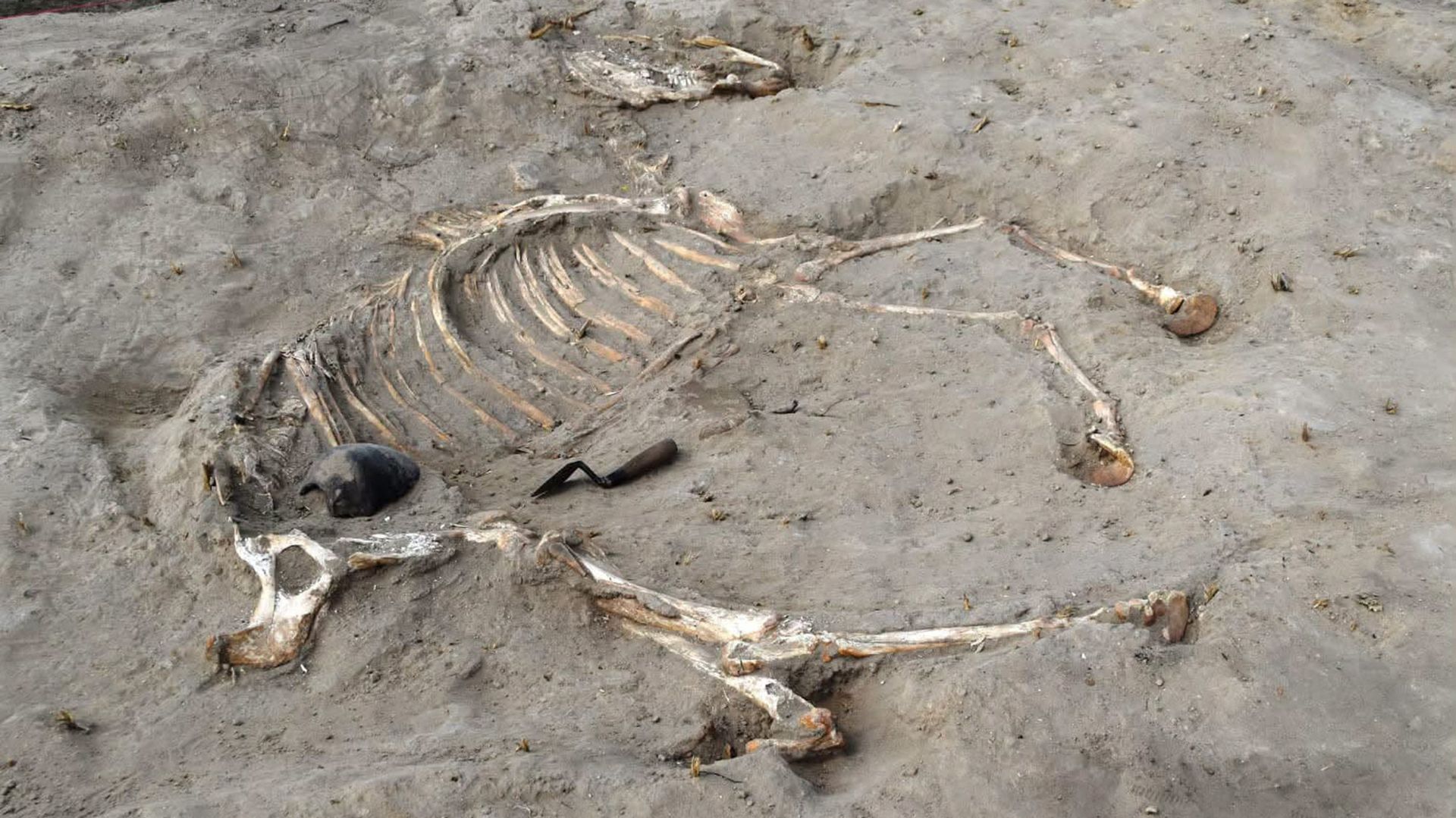
Archaeologists have unearthed a 3,000-year-old burial of a horse, likely used for military purposes, inside an ancient fort on the western Nile Delta in Egypt.The horse was a young male of medium size that may have pulled a chariot or worked in other military activities. Archaeologists also found remains of the chariot horse's harness fittings nearby. Given these discoveries, it's likely that this was a ceremonial burial, according to a translated statement from the Egyptian Ministry of Tourism and Antiquities. Some of the hieroglyphic tablets found inside the fortress along with a tablet depicting a captured Libyan prisoner. (Image credit: Courtesy of the Egyptian Ministry of Tourism and An...

πŸ“… 2026-09-23 13:00:00    β€’    Live Science
Read Original Article β†’
New model identifies expert consensus to keep complex decision rankings stable
Science News

New model identifies expert consensus to keep complex decision rankings stable

A new decision-making tool developed by Queensland University of Technology researchers could help governments, businesses and organizations make more reliable decisions for such projects as major infrastructure and public policy development. Developed by Ph.D. researchers Omid Motamedisedeh and Faranak Zagia from the QUT School of Architecture and Built Environment, the model addresses a major challenge in group decision-making: Small differences in expert judgments can sometimes lead to dramatically different outcomes.

πŸ“… 2026-09-23 12:40:01    β€’    Phys.org
Read Original Article β†’
These tropical trees breathe at night to survive drought
Science News

These tropical trees breathe at night to survive drought

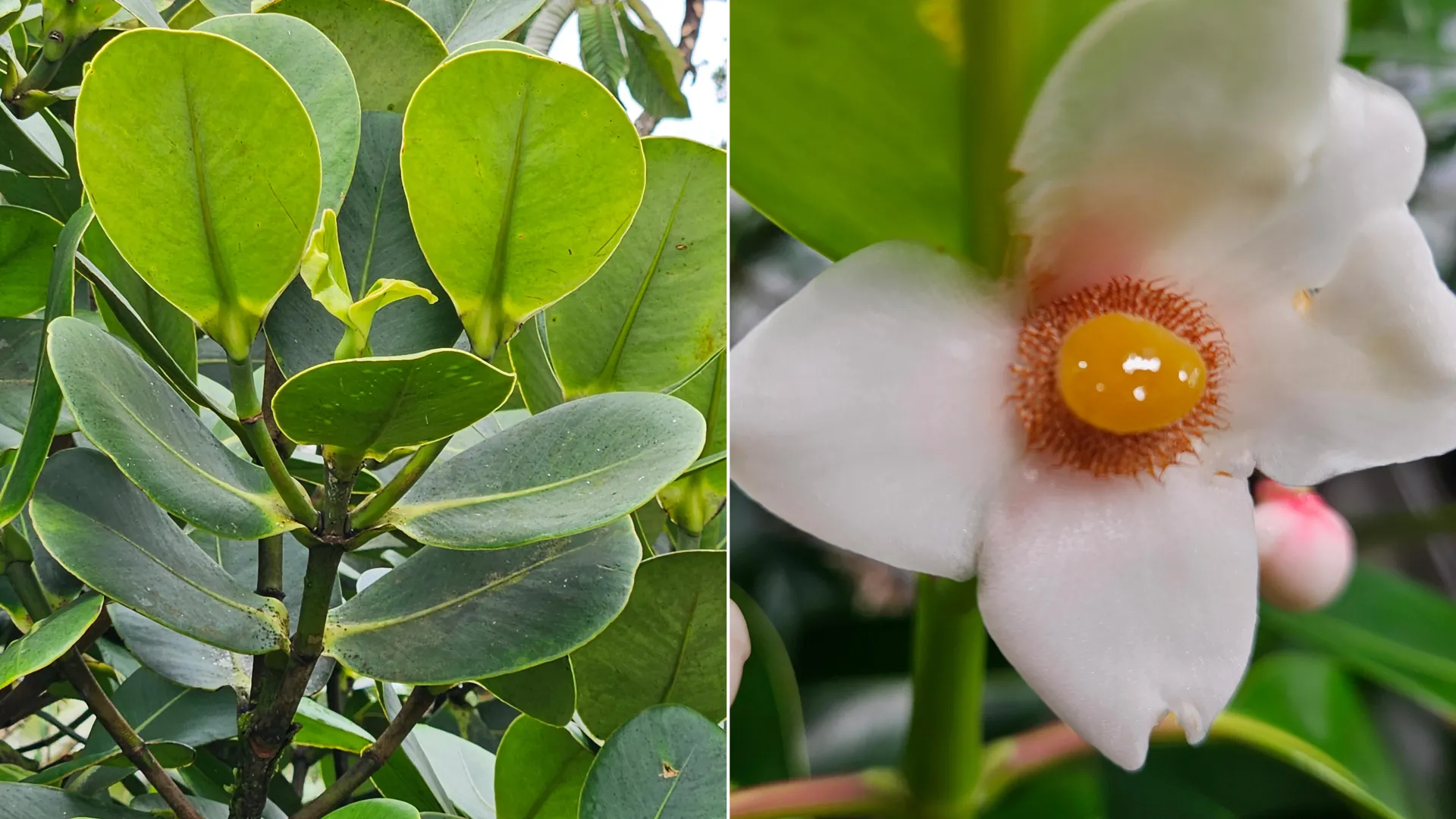
Some tropical trees have evolved a clever way to survive drought by taking in carbon dioxide at night, allowing them to keep their pores closed during the hot daytime and conserve water. By comparing three Clusia species, researchers discovered that this water-saving form of photosynthesis, known as CAM, did not arise through a single evolutionary change. Instead, ancient genome duplications followed by millions of years of genetic reshuffling produced strikingly different strategies, from strong CAM to stress-triggered and hybrid forms.

πŸ“… 2026-09-23 12:05:24    β€’    ScienceDaily
Read Original Article β†’
Earth's crust is 'unzipping' beneath Italy β€” and that could explain most of the earthquakes in the region
Science News

Earth's crust is 'unzipping' beneath Italy β€” and that could explain most of the earthquakes in the region

The crust under Italy is "unzipping" and falling away into the mantle, new research finds. This process is the driver of much of the seismic activity in the Apennine Mountains, the long chain of peaks that runs like a spine down the Italian peninsula. This area provides a unique look into the swan song of subduction, or the movement of a slab of oceanic crust under a neighboring chunk of continental crust, said study lead author Stefano Tavani, a geoscientist at the University of Florence. "We are experiencing the very, very late-stage to the subduction, and the tectonics is driven by a different engine, which is this unzipping," Tavani told Live Science. The Mediterranean region, between Af...

πŸ“… 2026-09-23 12:00:00    β€’    Live Science
Read Original Article β†’
The Arctic sea ice melt season grew longer for decades, but something strange happened around 2010
Science News

The Arctic sea ice melt season grew longer for decades, but something strange happened around 2010

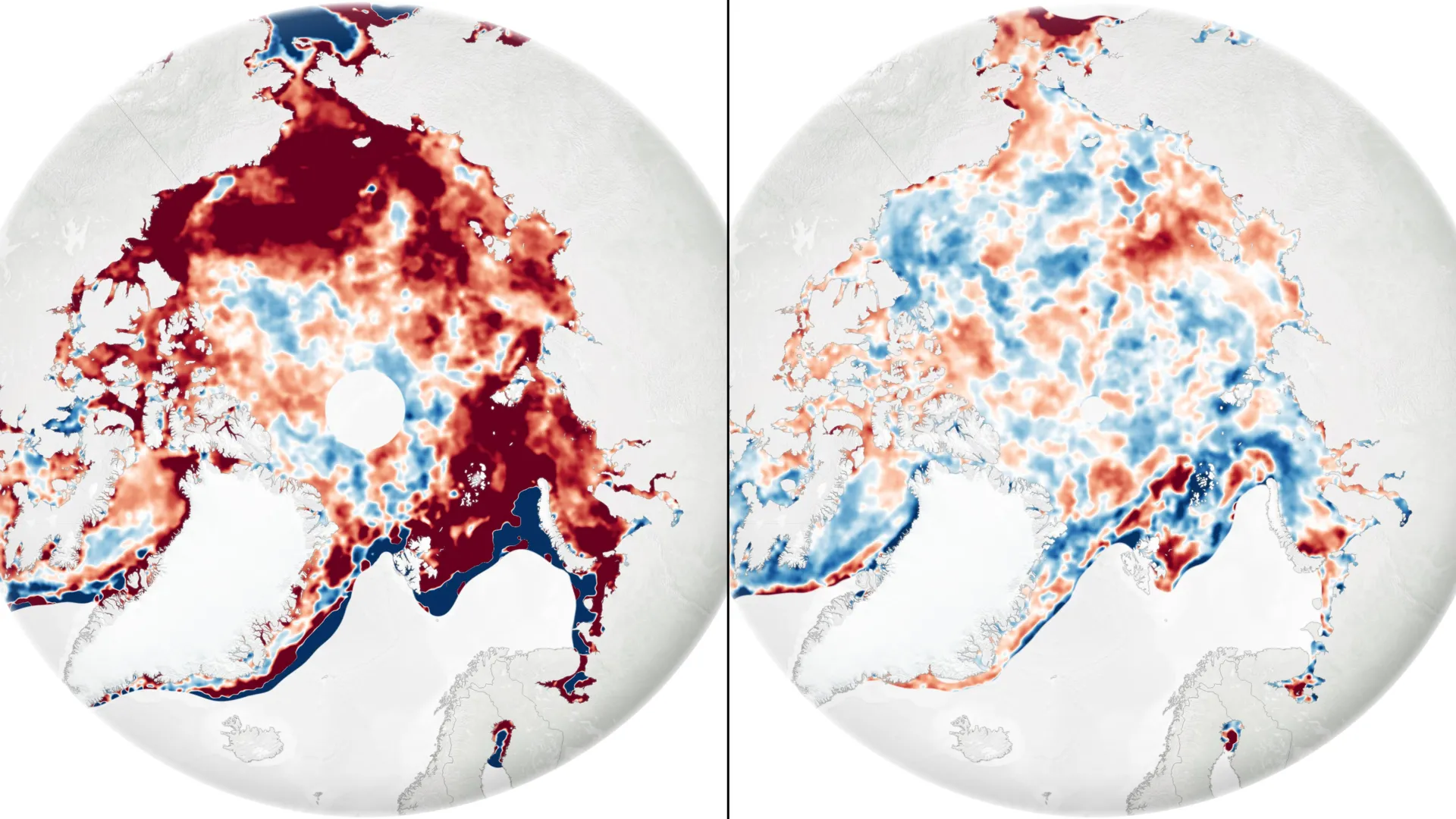
The Arctic sea ice melt season is roughly 40 days longer than it was in 1979, yet its rapid expansion unexpectedly leveled off around 2010. Scientists say changing clouds and increasingly thin ice may explain the pause, but continued Arctic warming could eventually trigger another period of rapid change.

πŸ“… 2026-09-23 11:39:23    β€’    ScienceDaily
Read Original Article β†’
Researchers find convenience, drinking water access and advertising drive global bottled water consumption
Science News

Researchers find convenience, drinking water access and advertising drive global bottled water consumption

Over 1 million plastic water bottles are bought globally every minute. That translates into more than 1.3 billion every day and more than 500 billion every year. That's a lot of plastic, and much of it winds up in human bodies and landfills. The long-term health implications are still unknown, but preliminary research shows risks to human health, with nano- and microplastics accumulating in our livers, kidneys and intestines.

πŸ“… 2026-09-23 11:00:05    β€’    Phys.org
Read Original Article β†’
Zika virus assembles without protein segment long deemed essential
Science News

Zika virus assembles without protein segment long deemed essential

For years, scientists were certain that two factors were involved in the assembly of active, highly infectious Zika viruses in human cells: a specific viral protein in its entirety and a turncoat human enzyme that assured viral maturity. New research suggests that Zika virus has been far less reliant on those components than previously thought.

πŸ“… 2026-09-23 11:00:02    β€’    Phys.org
Read Original Article β†’
Curiosity's top 10 photos of Mars after 5,000 days of exploration
Science News

Curiosity's top 10 photos of Mars after 5,000 days of exploration

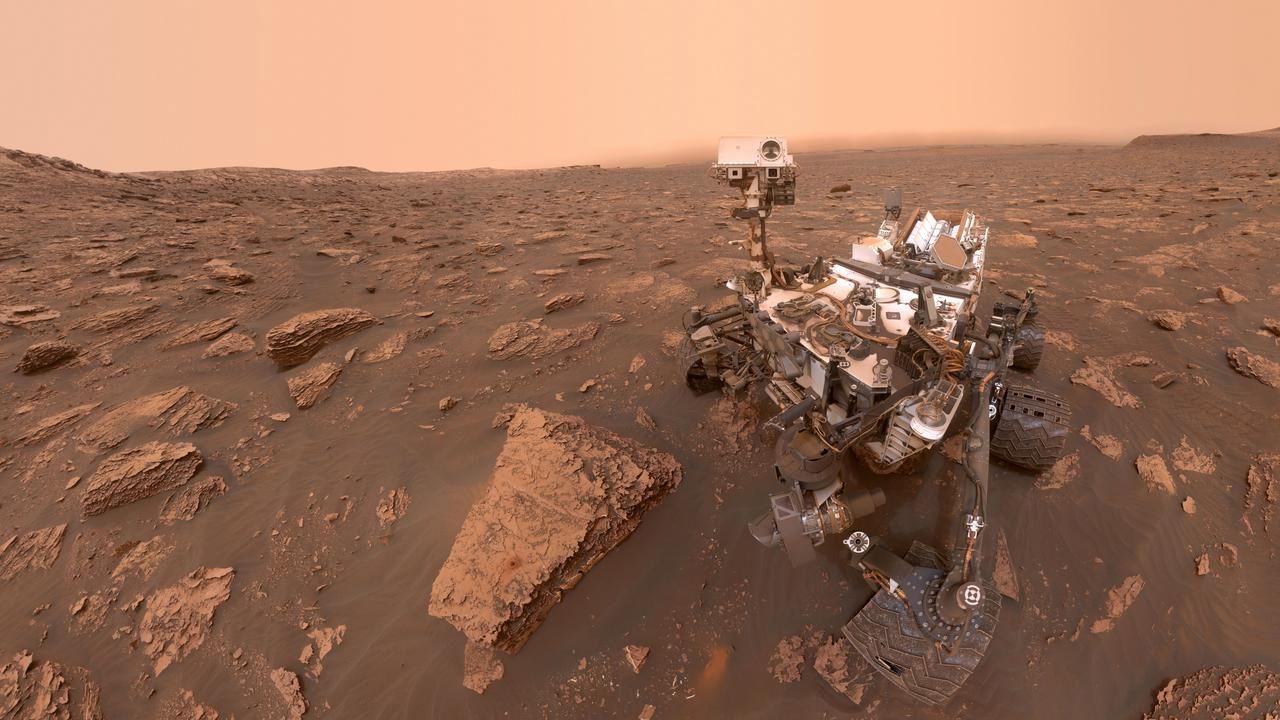
As of Aug. 30, 2026, NASA's Curiosity rover has officially seen the sun rise and set over Mars' reddish horizon more than 5,000 times in its quest to discover if life ever existed there. The rover was originally planned to operate for only two years, but the mission is still going strong more than 14 years after landing on Mars in August 2012. During that time, the rover has weathered global dust storms and climbed more than 3,200 feet (1,000 meters) up a mountain β€” although its tires have gotten some rather large holes in them in the process. The rover still uses its 17 cameras to take hundreds of photos every single sol (Martian day), beaming a total of more than 780,000 photos back to Ear...

πŸ“… 2026-09-23 11:00:00    β€’    Live Science
Read Original Article β†’
Why Viking museums still can’t escape the warrior myth
Science News

Why Viking museums still can’t escape the warrior myth

Scandinavian museums are trying to move beyond the familiar image of Vikings as sword-wielding male warriors, highlighting women, farmers, traders, and a far more complicated society. But the enduring popularity of the Viking myth means exhibitions often balance historical accuracy with stories that reflect modern ideas about national identity and culture.

πŸ“… 2026-09-23 10:58:43    β€’    ScienceDaily
Read Original Article β†’
Stonehenge’s 6-ton altar stone may have traveled from Scotland by glacier
Science News

Stonehenge’s 6-ton altar stone may have traveled from Scotland by glacier

Stonehenge’s six-ton Altar Stone may have been carried from Scotland to Dogger Bank by glaciers before prehistoric people transported it hundreds of kilometers to Salisbury Plain. The possible multistage journey suggests remarkable organization and raises the possibility that the stone was valued long before it became part of Stonehenge.

πŸ“… 2026-09-23 10:26:41    β€’    ScienceDaily
Read Original Article β†’
Pigeons' proposed inner-ear compass runs into a noise problem
Science News

Pigeons' proposed inner-ear compass runs into a noise problem

A pigeon turning its head might seem an unlikely electricity generator. Yet one proposed explanation for the bird's magnetic sense depends on exactly that: Turning through Earth's magnetic field would produce tiny electrical signals inside its ears. However, a theoretical study suggests that this miniature generator cannot supply directional information fast enough to work as a compass. The problem is electrical noise produced within the proposed sensor itself.

πŸ“… 2026-09-23 10:00:01    β€’    Phys.org
Read Original Article β†’
Weird spikes poking through a teen's eyelid turned out to be a wayward tooth
Science News

Weird spikes poking through a teen's eyelid turned out to be a wayward tooth

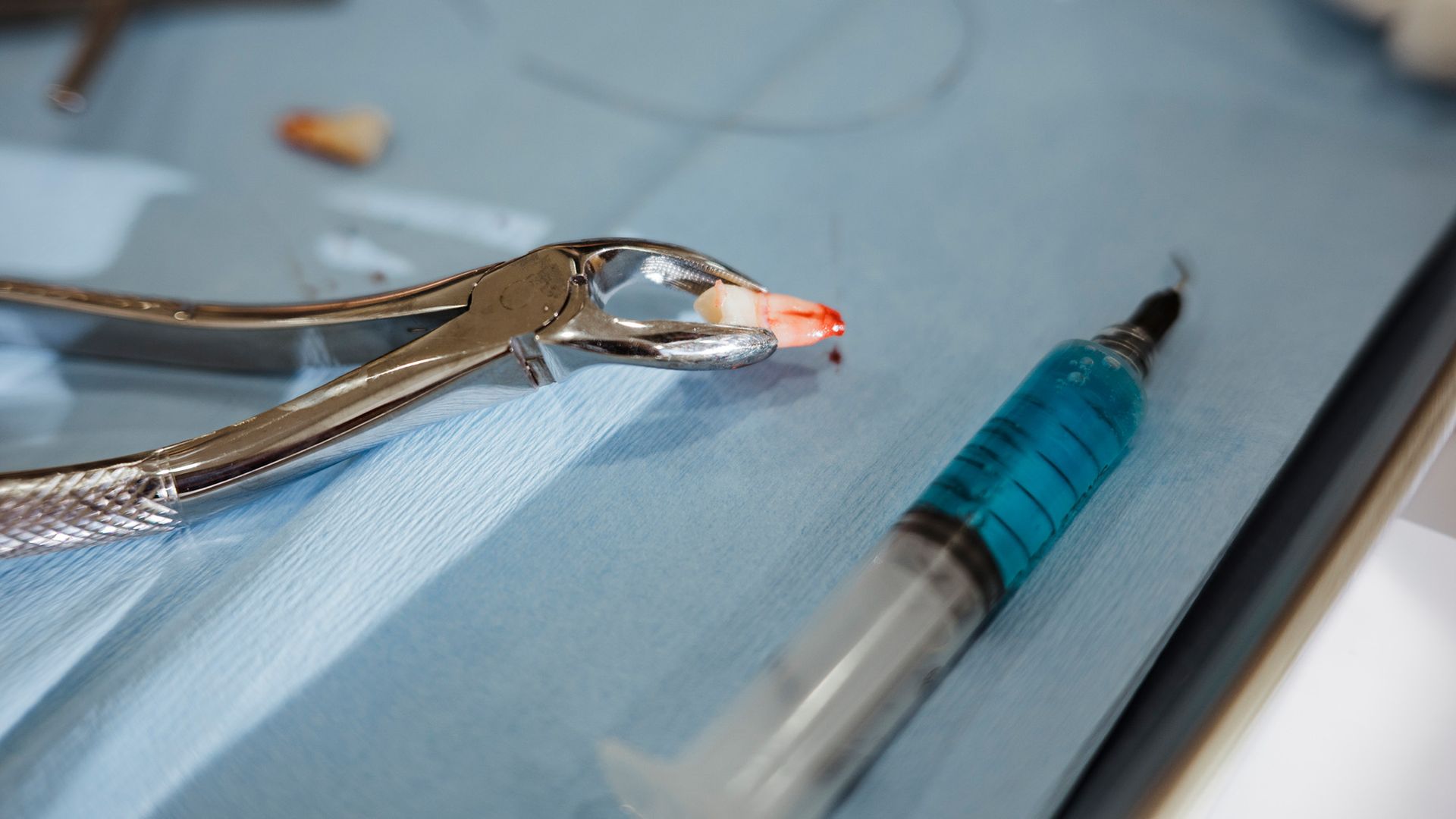
The patient: A 16-year-old boy in IndiaThe symptoms: The teen developed swelling on his left upper eyelid that persisted for a few months but was painless. However, he later noticed two sharp, white projections poking out from the skin above his eye. About a month after these projections appeared, he went to a hospital. What happened next: Doctors examined the teen's eyelid, noting that the spikes had a "fairly smooth surface and were hard on palpation," said Dr. Meghana Tanwar, a medical consultant at the Aravind Eye Hospital in India who co-authored a report of the case. The texture and color of the projections suggested they might be teeth, she told Live Science in an email.Initially, the...

πŸ“… 2026-09-23 10:00:00    β€’    Live Science
Read Original Article β†’
'Risk-free' matched betting? More than half of surveyed users report losses
Science News

'Risk-free' matched betting? More than half of surveyed users report losses

A new peer-reviewed study from Bournemouth University has found a striking gap between how people perceive the risks of matched betting and what some experience in practice. Matched betting involves using free bets given out by online gambling companies as a promotion to attract new customers. This allows people to bet on different results for the same event, such as a football match. It is frequently promoted online as a controlled or even 'risk-free' way of making money.

πŸ“… 2026-09-23 09:16:01    β€’    Phys.org
Read Original Article β†’
Page 123of 201   β€’   4,803articles