Brain implants are helping people who’ve lost their voice
The technology could get those with ALS, Parkinson’s disease and brain injuries “talking” again.
Stay informed about scientific discoveries, research developments and new findings from around the world.
The technology could get those with ALS, Parkinson’s disease and brain injuries “talking” again.
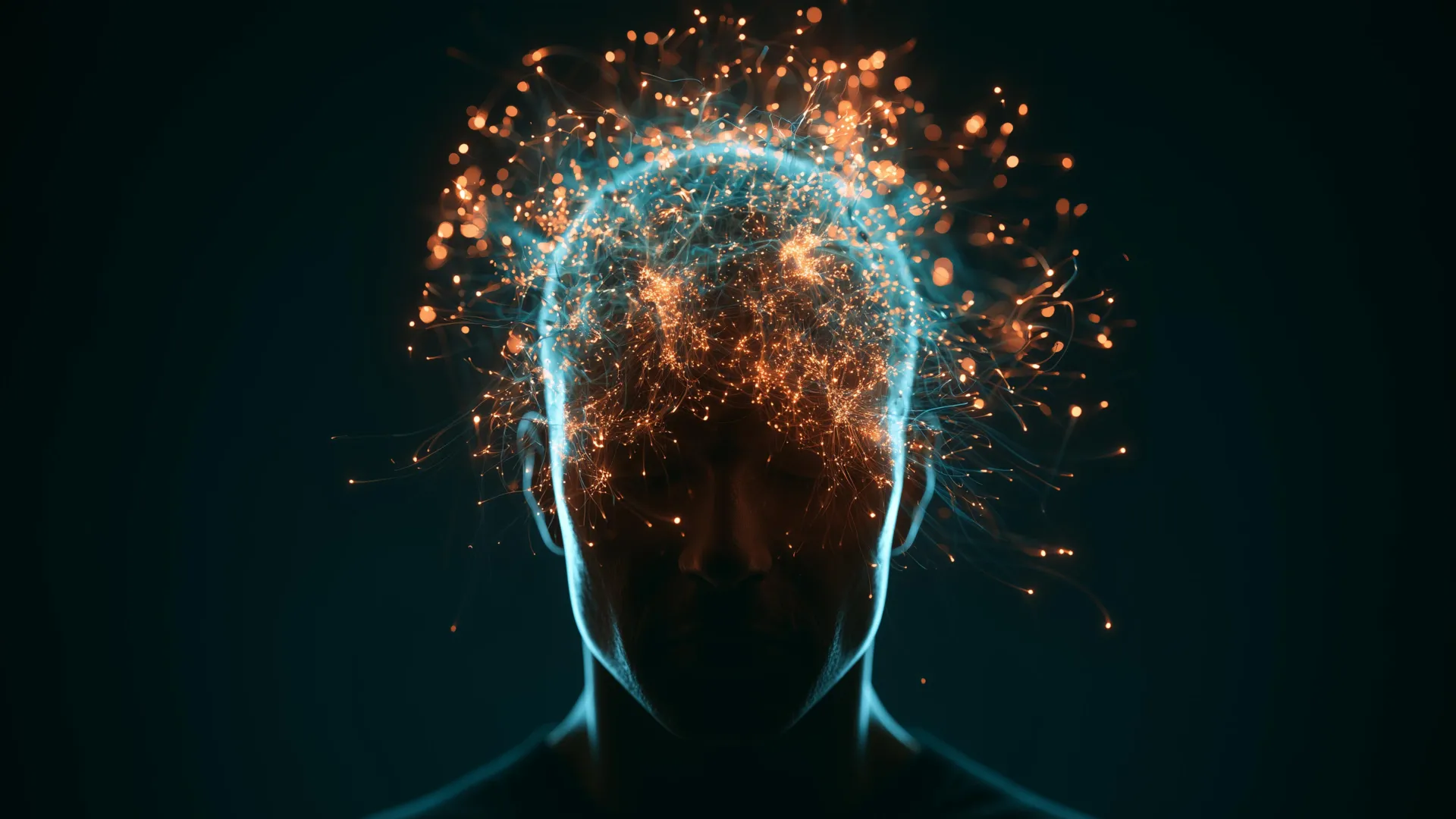
Even under general anesthesia, the human brain can analyze language, recognize different types of words, and predict what comes next in a story, according to a surprising discovery by Baylor researchers. The findings challenge our understanding of consciousness and suggest that the unconscious brain is far more capable than scientists previously realized.
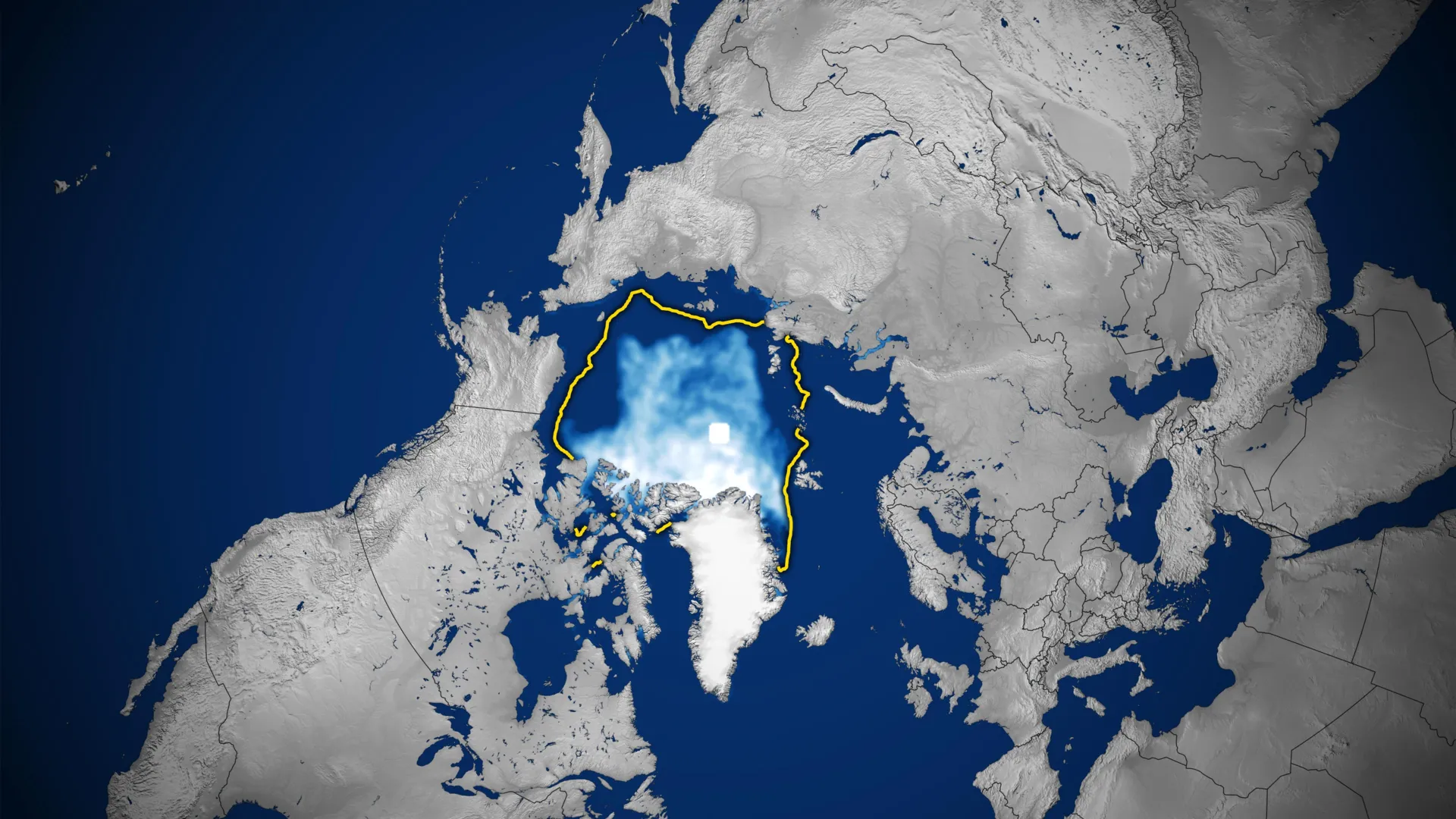
Arctic sea ice is shrinking in both winter and summer, with satellite records revealing that the region's remaining ice is becoming thinner, younger, and more vulnerable to melting. Despite a recent slowdown in summer losses, scientists warn that the Arctic could experience a nearly ice-free summer before 2050.
Using an advanced new mathematical model, a pair of physicists in Belgium has revealed the origins of an unusual, direction-dependent effect found in water confined to a narrow gap between two plates. Through research published in Physical Review Letters, Mehdi Neek-Amal and Francois Peeters at the University of Antwerp showed how two drastically different dielectric responses in this water emerge from the natural bonding behavior of its molecules.
About a decade ago, a group of climate scientists described five scenarios for the future. Called the Shared Socioeconomic Pathways (SSPs), these scenarios suggest how socioeconomic development could evolve in worlds with differing challenges to climate adaptation and mitigation.
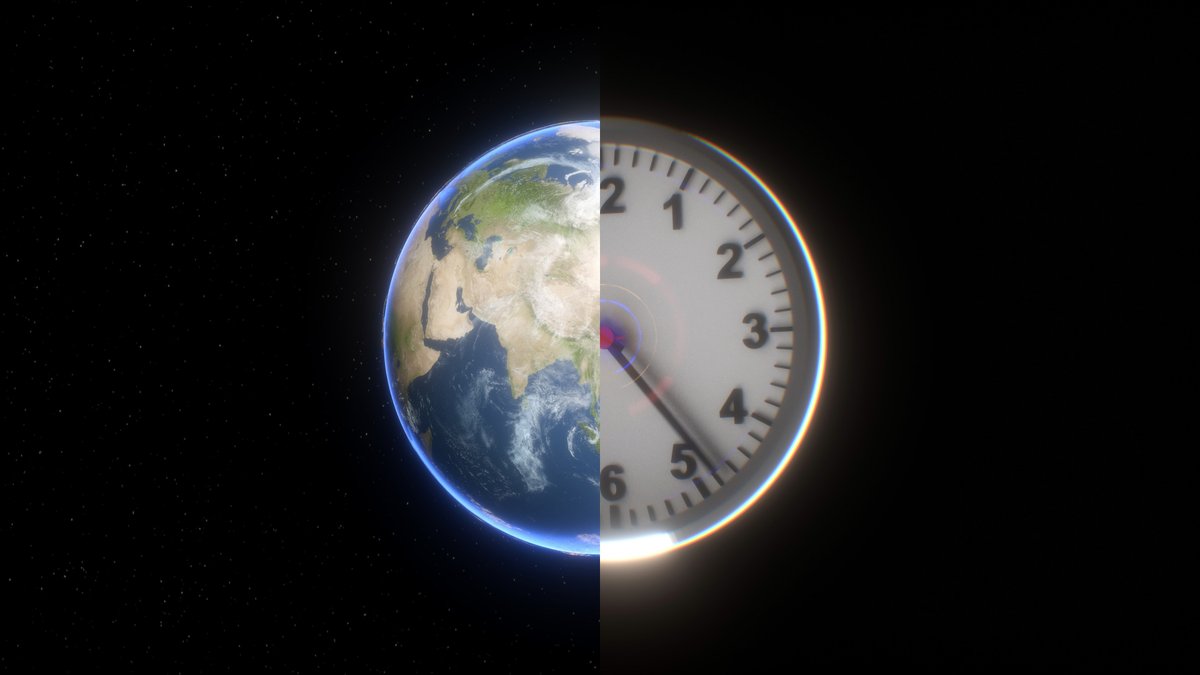
A new system, called the “leap hour,” will allow Earth’s rotation and official time to fall out of alignment by a full hour
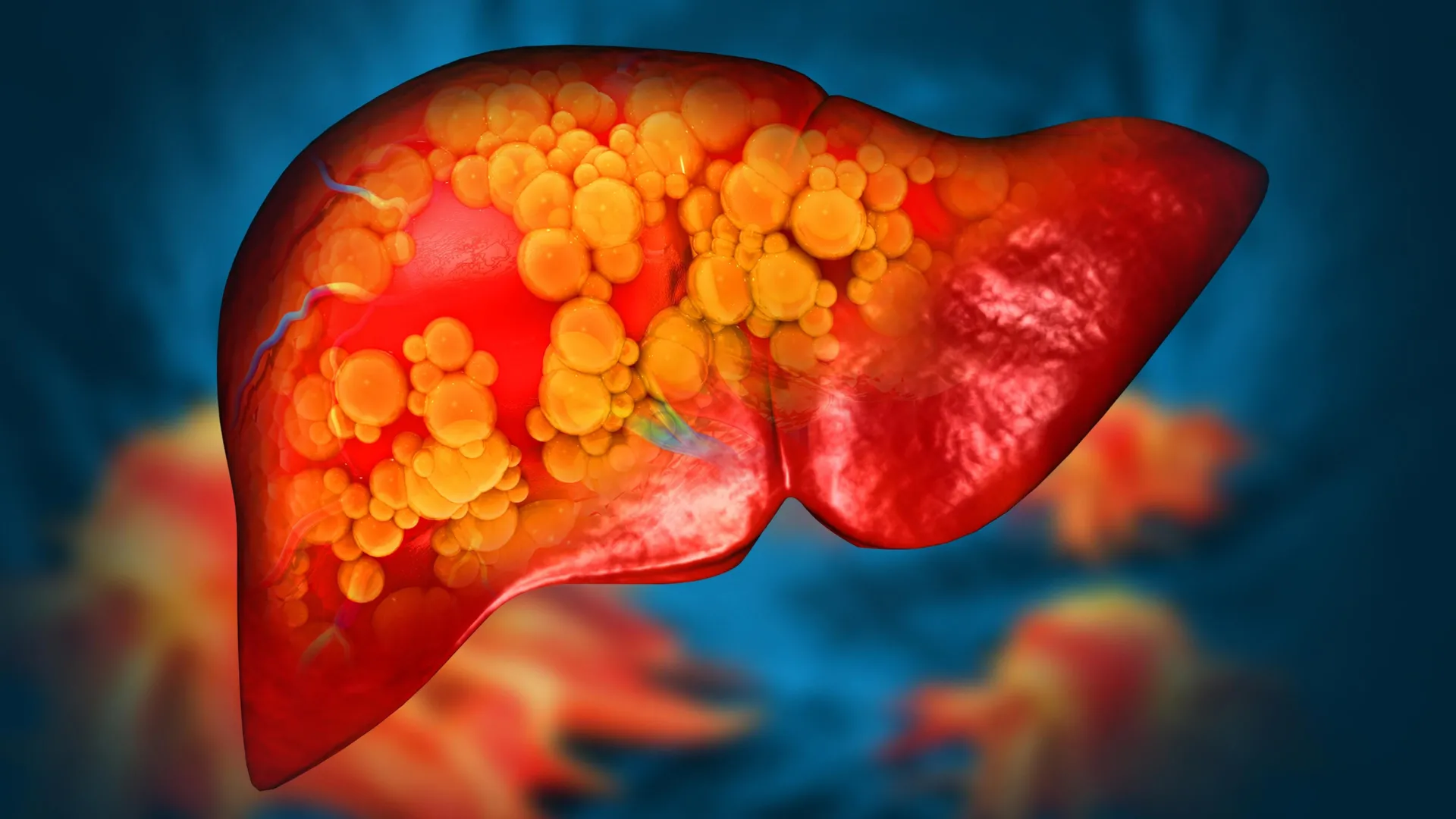
Eating late at night could be putting your liver at risk, according to a large study led by Oregon Health & Science University. Researchers analyzed data from nearly 200,000 people and found that those who regularly ate after dinner or around bedtime had a 20% to 30% higher risk of liver disease, including fatty liver disease and cirrhosis.
Goods and services tax (GST) is priced into many everyday purchases, from groceries and clothing to restaurant meals and household bills. That means any change to the tax can affect how much households have left to spend.
A University of Queensland study has outlined a practical pathway for accelerating the development of heat-adapted chickpeas using data from new 'omic' technologies. Ph.D. candidate Callum Jamie said the suite of technologies offered tremendous opportunities to understand how a complex trait like heat tolerance works.
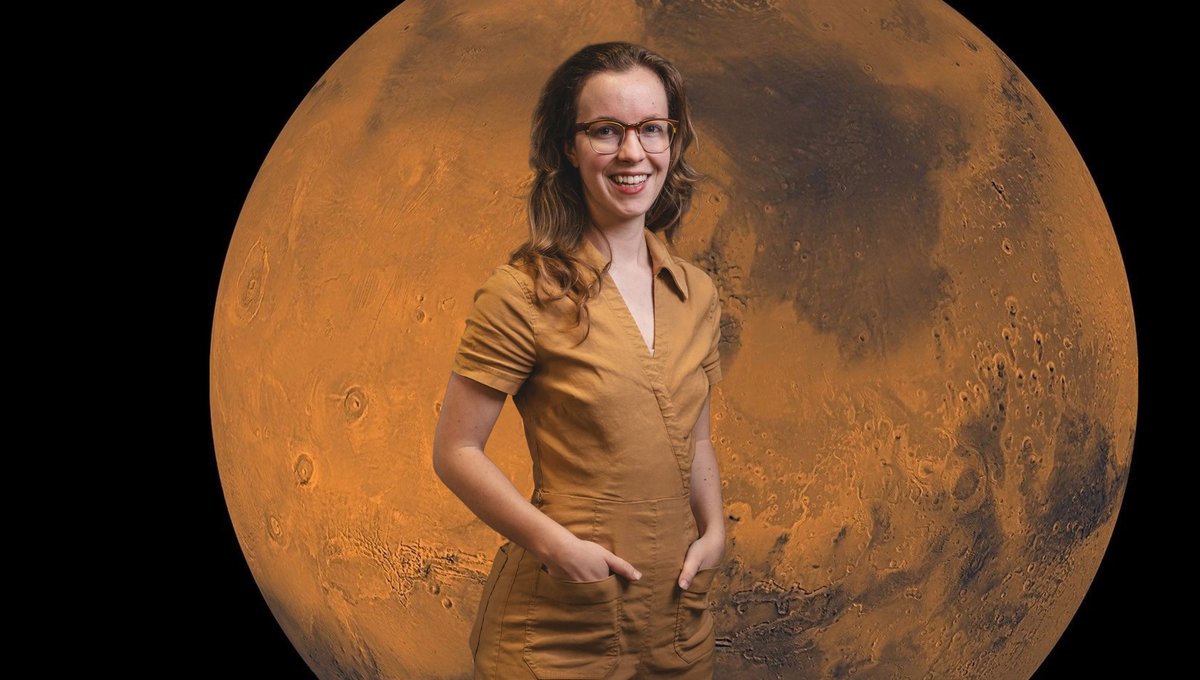
The CEO of Pioneer Labs, a biotech startup developing Mars-adapted microbes, is on a quest to make alien worlds nice places to live
Scientists have discovered a potential new weapon against a devastating fungus that threatens rice, wheat, and barley worldwide. By engineering a special type of plant immune receptor, researchers created defenses capable of recognizing multiple fungal threats at once. The breakthrough could eventually lead to crops with powerful, long-lasting disease resistance, helping protect a global food supply increasingly threatened by spreading infections and climate change.
Using more than one type of app, including both mainstream apps such as Tinder or Hinge and gay apps like Grindr, could lead to lower levels of anxiety among gay men who use mobile dating platforms.
Scientists have discovered that unusually small cancer cells carrying extra chromosomes can be far more aggressive than larger ones, growing faster, spreading more readily, and resisting common treatments. The surprising finding could help explain why some tumors are especially dangerous and provide a new way to predict cancer outcomes.
The fight for survival in the forest is fierce: light, water and nutrients are all limited. This is particularly true in "mast years"—times when trees and shrubs produce an unusually large crop of fruits, nuts or seeds. Then the race for growth is on. But can differences in height between trees in their first year of life make a difference to their future, even if these differences are just one or two centimeters (0.4 or 0.8 inches)?
Physical surroundings affect everything from personal well-being to a neighborhood's safety. A new study from The Ohio State University finds that when it comes to preventing gun violence in a community, green space can help, but its location makes a big difference.
Researchers explored how AI could spread through everyday gadgets. But cybersecurity experts have seen these tricks before
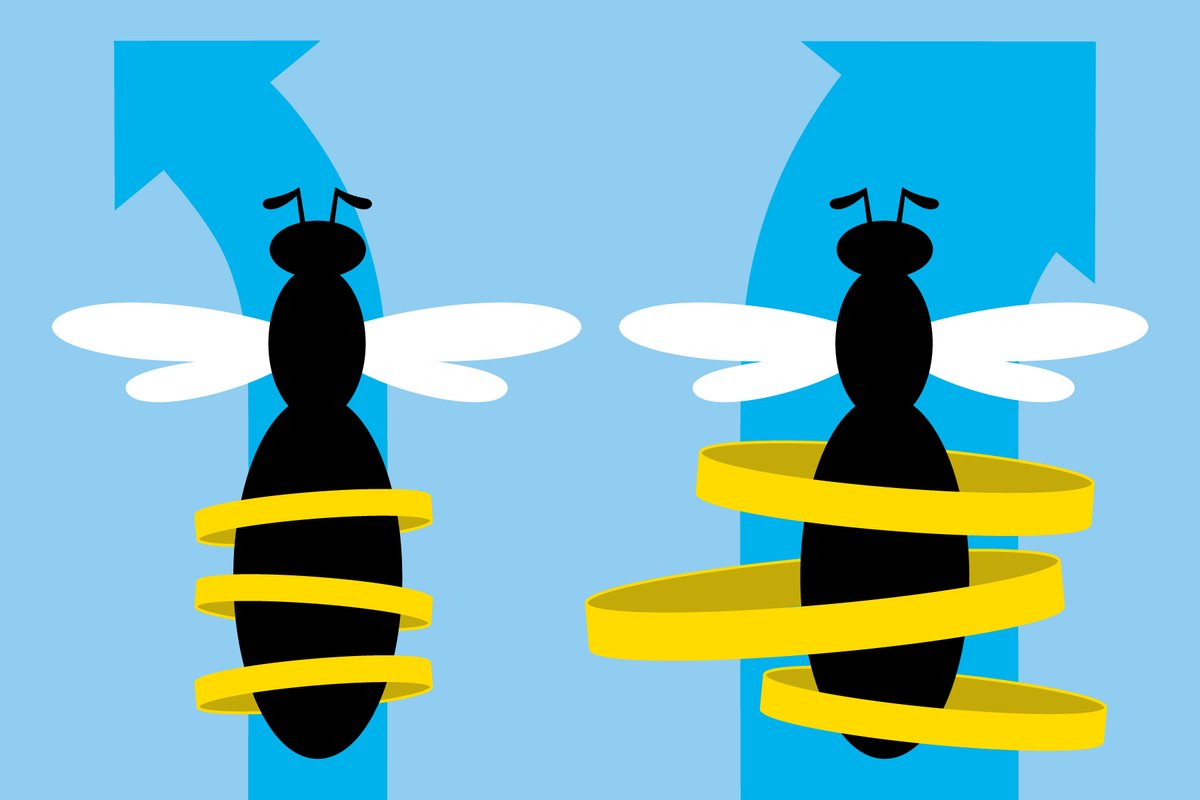
Confident bees work harder to convince their peers of tasty treats
Einstein's theory of general relativity describes gravity as the bending of spacetime, a mathematical model that combines three-dimensional space and time into a single, four-dimensional continuum. The theory also predicts that a rotating object, such as Earth, slightly drags the surrounding spacetime as it rotates, a phenomenon known as frame-dragging.
A rare examination of an Alzheimer’s patient’s brain revealed that regions cleared of amyloid plaques had remarkably little of the harmful tau buildup associated with memory loss, while neighboring areas showed extensive damage. The discovery suggests that removing amyloid may have lasting protective effects and could help slow Alzheimer’s progression, especially when treatment begins early.
Countries highly vulnerable to the phase-out of oil, gas and coal account for just 6% of global economic output, countries in Africa stand to benefit from their vast solar energy potential, and the economic interests of the U.S., Europe and China are affected by climate policy in surprisingly similar ways. A study by the Potsdam Institute for Climate Impact Research (PIK) published in Nature Sustainability now shows, for 169 countries around the world, how the fight against global heating affects national assets—and what geopolitical challenges and opportunities arise as a result.
New research has revealed an unexpected new mechanism through which the killer fungus Candida auris is resisting antifungal drug treatment. A team led by the University of Exeter and City St George's, University of London, discovered that the fungus creates multiple versions of its entire genome, including mutating a gene that plays a role in cell wall integrity, called "Crazy-one" (CRZ1).
If you're approaching menopause, you are likely being bombarded by online ads for treatments promising relief for everything from hot flashes to brain fog. Some of these therapies have been approved by the Food and Drug Administration (FDA) and have strong evidence to support them — but one hormone-based treatment that's gaining in popularity has much less science to back its use for menopause.More doctors are writing their menopausal patients prescriptions for testosterone therapy. A 2026 study conducted in the U.S. recorded over 90,000 off-label prescriptions for testosterone to women in 2025, mainly among women ages 45 to 64 and those with diagnoses of menopause. This marked a 58.7% incre...
In the middle of nowhere, a small island emerges in the Atlantic Ocean. This unique territory completely changed in the 19th century thanks to the efforts of two British scientists: Charles Darwin and Joseph Dalton Hooker, researchers who stopped at the British naval base and documented the island during their expeditions.
Strokes are becoming alarmingly common among younger adults, with rates nearly doubling among people ages 20 to 54 over nearly three decades. Researchers found that blocked blood vessels in the brain accounted for much of the increase, while high blood pressure, diabetes, and substance use also became more common among younger stroke patients. Although survival rates have improved, more young adults may now face the lasting consequences of stroke.