Feverish after a vaccine? The reason could be your gut microbiome
In a new study, people who had worse fevers after a COVID shot tended to have similar gut characteristics
Stay informed about scientific discoveries, research developments and new findings from around the world.
In a new study, people who had worse fevers after a COVID shot tended to have similar gut characteristics
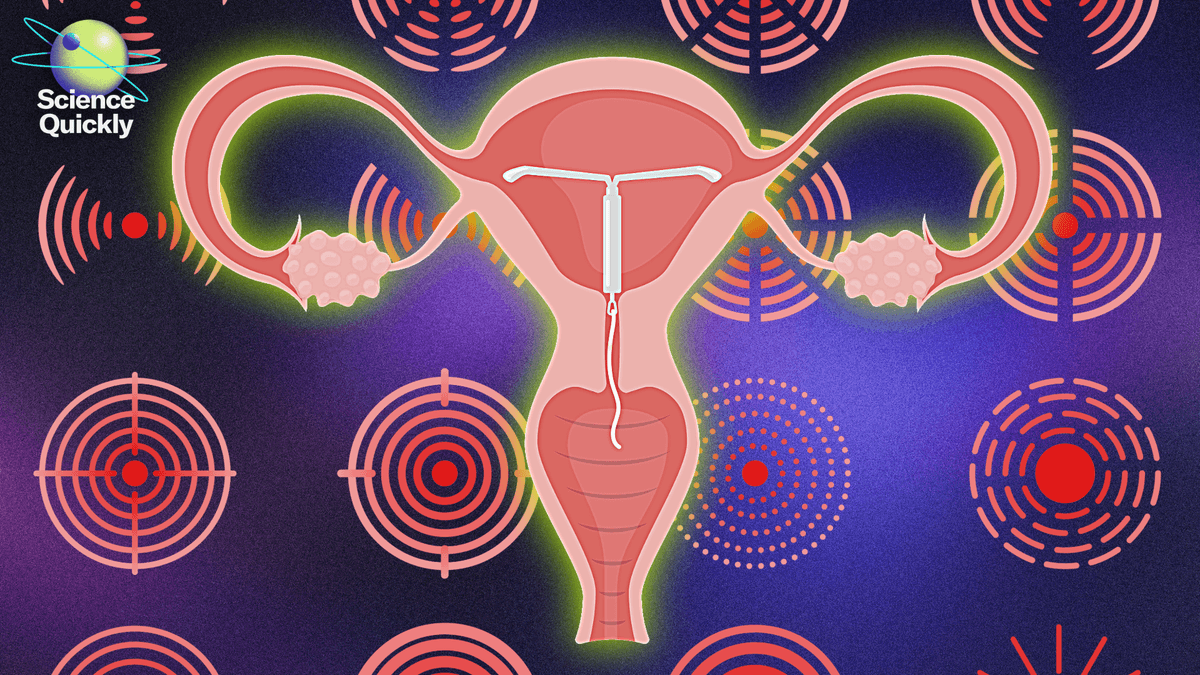
A new study shows promising results in lowering pain during IUD placements
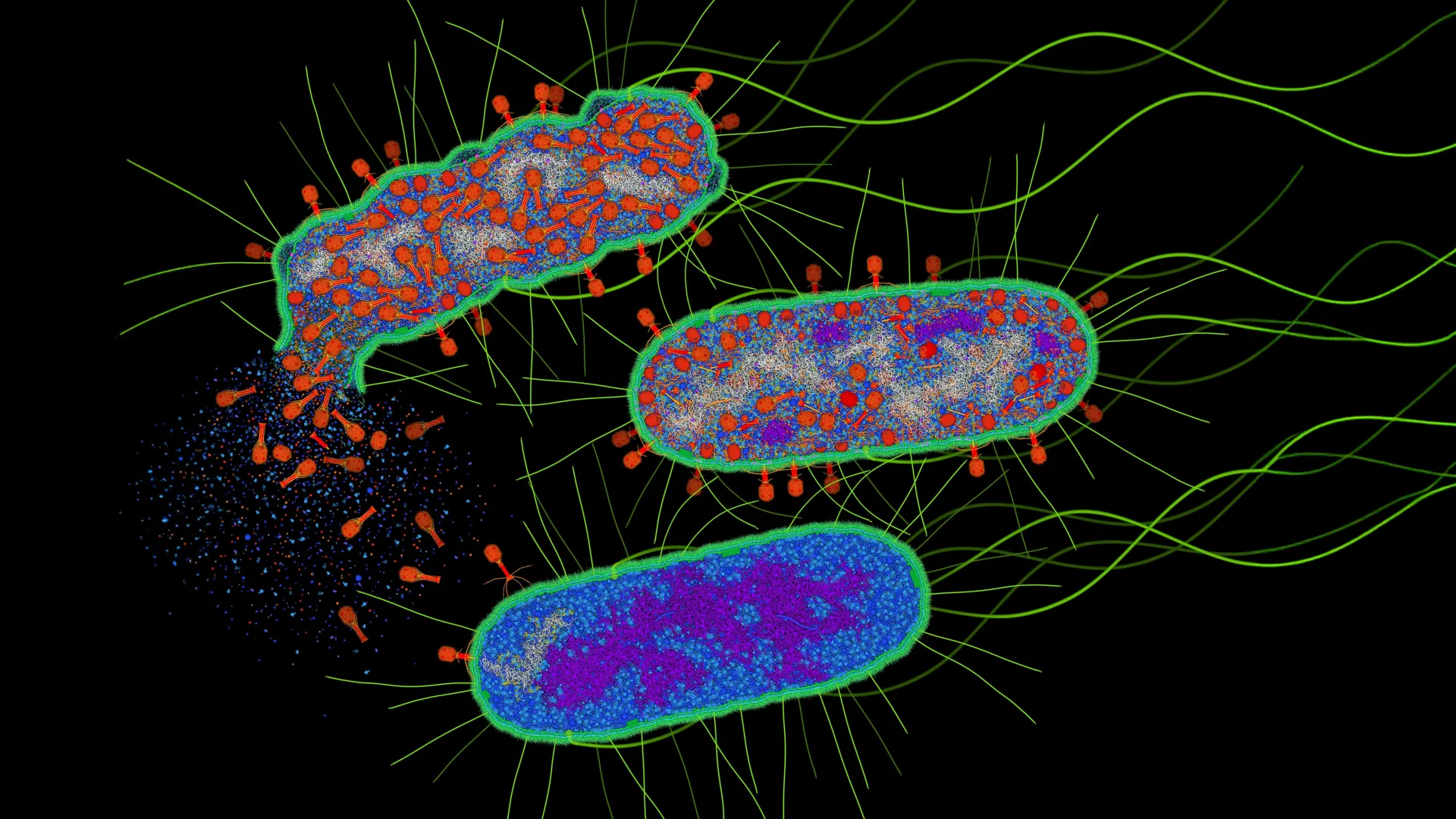
Researchers have uncovered a new way bacteria detect viral attacks: a virus-produced enzyme cuts a bacterial sensor protein, triggering a self-destructing immune response. The discovery could lead to more effective phage therapies against antibiotic-resistant bacteria and provide insight into ancient immune mechanisms shared with humans.
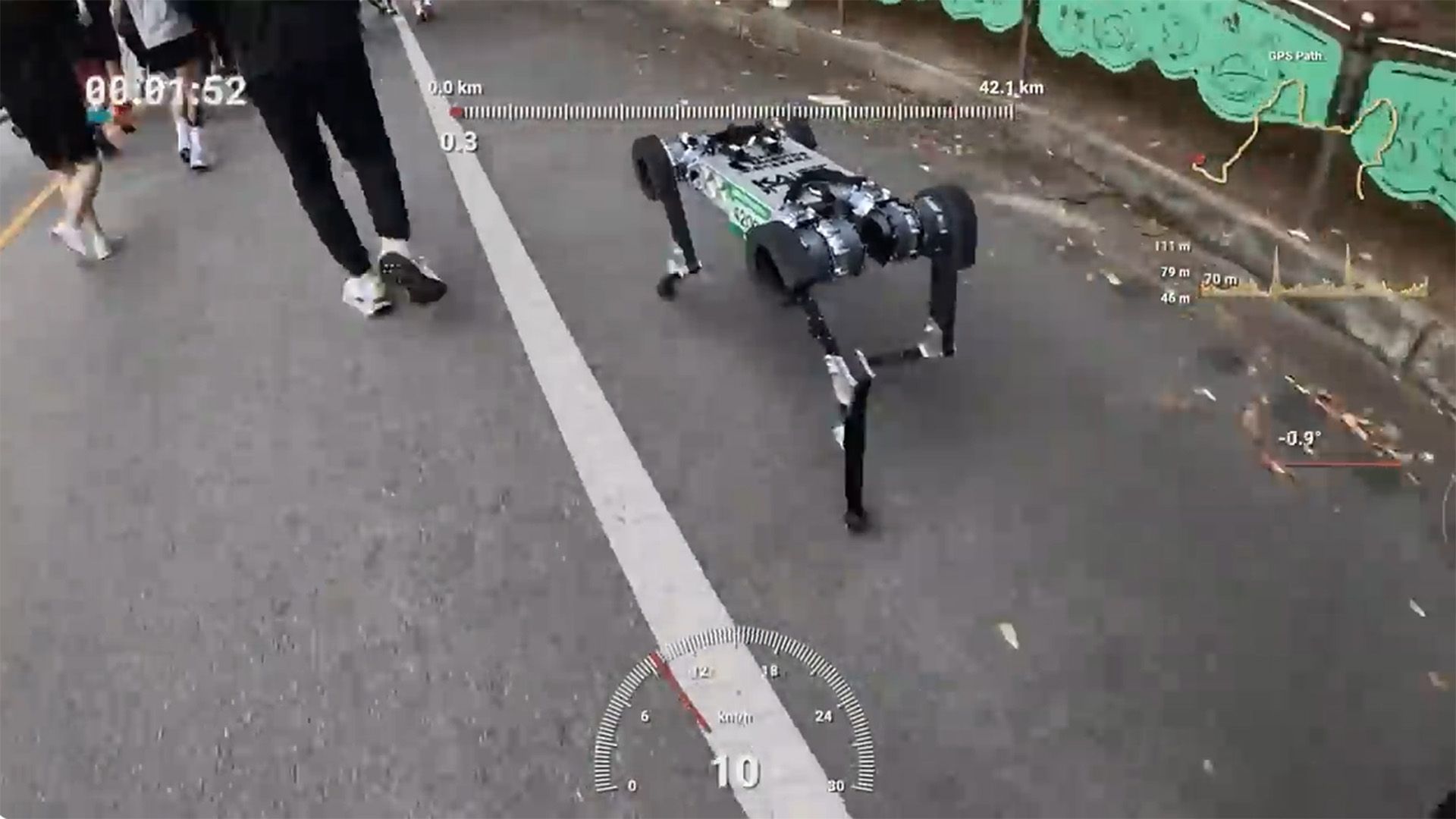
A four-legged robot completed a full marathon on a single battery charge, covering 26.2 miles (42.2 kilometers) on a hilly public-road course in South Korea two years ago. Now we know a lot more about how it achieved this record-breaking feat.The dog-like robot, called RAIBO2, finished the 22nd annual Sangju Dried-Persimmon Marathon in just over 4 hours, 19 minutes. The bot's developers say it's the first quadruped robot to have completed an official marathon-distance event without stopping to recharge. They're commonly referred to as "robot dogs" because the movement of their joints in both front and hind legs resembles that of canines. The scientists outlined their findings about the robot...
A Canadian radio telescope has detected the faint glow of hydrogen from billions of years ago using only its own observations, proving a long-awaited way to map the distant universe can actually work. CHIME can use this hydrogen signal to trace how matter is spread across space and measure how the universe has expanded over time, offering a powerful new way to investigate dark energy.
Nearly a century after physicist Hans Bethe predicted them, scientists have created and directly observed unusual quantum states known as “Bethe strings” in an ultracold gas. By cooling cesium atoms to near absolute zero and trapping them in thousands of tiny one-dimensional tubes, researchers were able to make groups of atoms bind together without ordinary chemical bonds. These strange clusters could contain six or more particles and even collide with one another without falling apart.
NASA’s SpaceX Crew-12 astronauts have returned to Earth after 237 days in space, traveling more than 100 million miles and completing over 3,792 orbits while conducting research to prepare for future missions to the Moon and Mars. The mission also made history with record-setting spacewalk achievements and experiments that could transform medicine both in space and on Earth.
A new academic paper by Paul Hanson and Matthew Joeckel of the Conservation and Survey Division in the University of Nebraska–Lincoln's School of Natural Resources contains a brief phrase—"new linework"—that looks innocuous but carries enormous meaning.
Armed conflict accelerates cropland loss, and the effects can persist for years after conflict begins and vary substantially with conflict severity and social conditions, according to a new study published in Nature Food on Sept. 24.
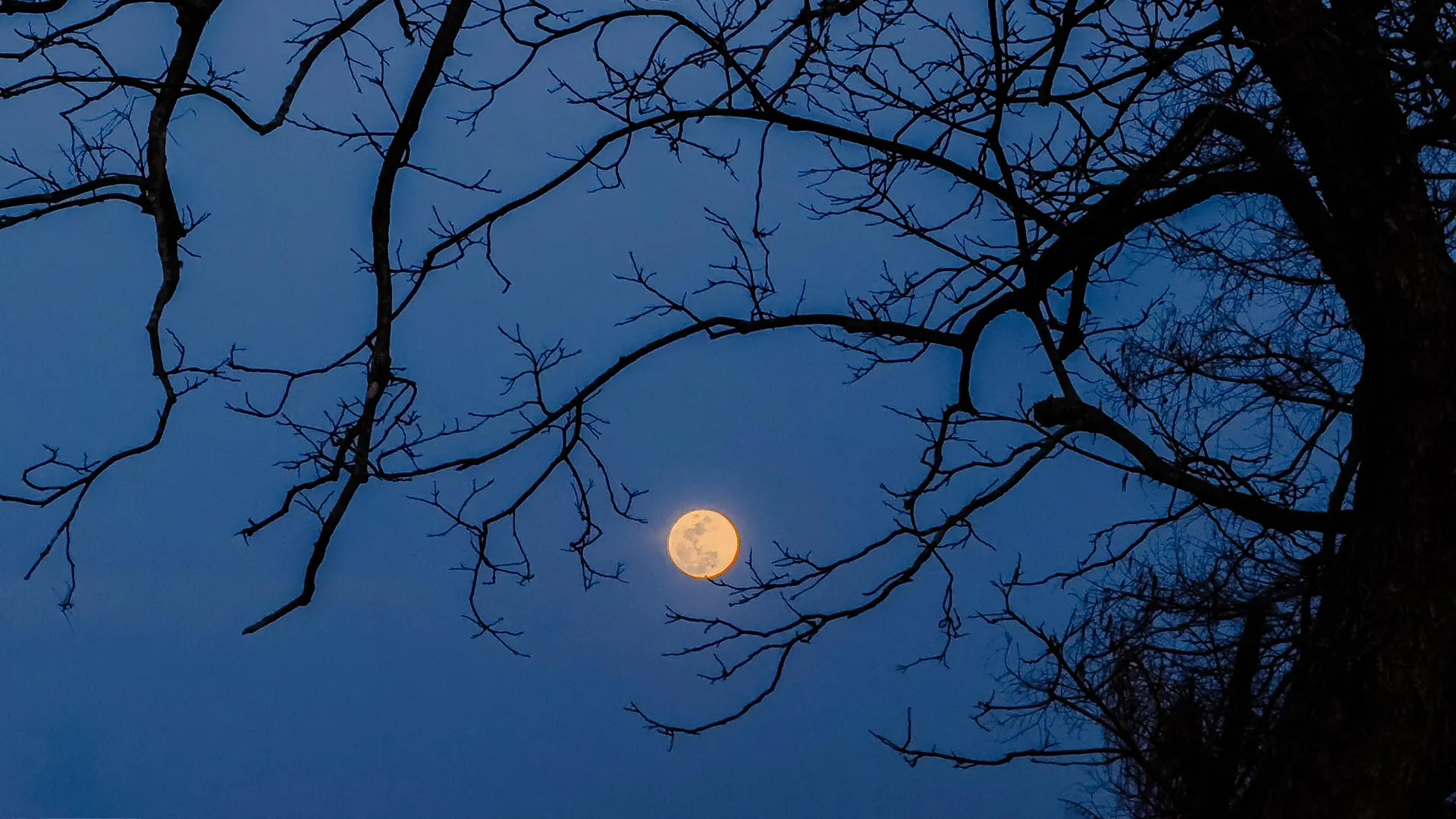
October’s skies are packed with celestial surprises, from Jupiter disappearing behind the Moon to two meteor showers lighting up the darkness. NASA highlights four must-see events, including shooting stars from Halley’s Comet and a glowing Hunter’s Moon just before Halloween.
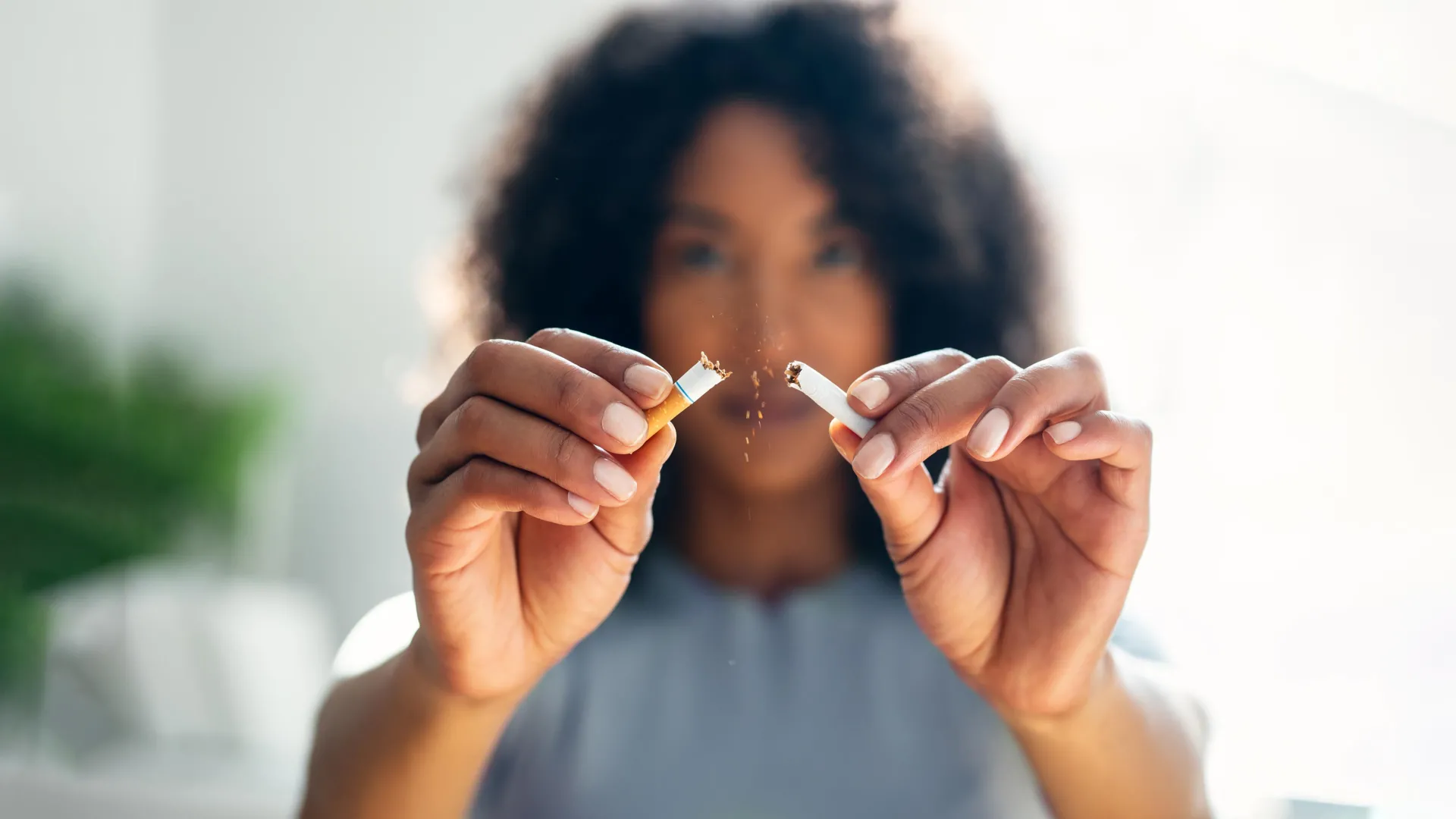
Nicotine e-cigarettes appear to help more smokers quit than patches, gum, and several other common approaches, according to a major review of 80 clinical trials. Researchers say regulated vaping products are not risk-free, but may be a significantly less harmful alternative for people who would otherwise continue smoking.
How can AI provide police officers with better support in complex situations? In an interdisciplinary collaboration, researchers in police research and computing science at Umeå University have explored the opportunities and risks associated with using AI-based interactive systems in police work.
Pokémon, sports and other physical trading and collectible cards have been around for decades but have surged in popularity since COVID. These cards are usually obtained through gambling-like packs containing random cards. Most packs do not offer any highly desirable cards, but a few packs will. Consumers, often including children, therefore buy many packs in the hope of obtaining rare chase cards.
Can literature foster greater acceptance of LGBT people among elementary school students? This is the core question behind a study conducted by researchers Guillermo Soler, María Ribes and José Rovira-Collado from the Language and Literature Didactics area of the Department of Teaching Innovation and Training at the University of Alicante (UA).
Five natural compounds, including curcumin and berberine, were tested for their effects on cancer cells and healthy muscle cells. All disrupted cancer cell energy production and pushed many of the cells into a non-dividing state, with curcumin producing the strongest overall effect. Curcumin also showed a relatively favorable safety profile, while some other compounds caused more toxicity.
A leading U.S. beef industry trade association knew by 1989 that cattle contributed to global warming but focused its response on protecting consumer demand through public relations, according to a new study that examined a decade of industry records.
Biodiversity indicators can help companies make more sustainable decisions. But only 9% of the world's largest companies in sectors with a major impact on biodiversity use such indicators, according to a new study from Lund University. The researchers also show that different indicators can lead to different conclusions and present seven recommendations for how they should be used.
Many insects see the world through hundreds of tiny lenses that are grouped together in a visual organ known as the compound eye. Behind each lens sits a cluster of eight light-detecting cells arranged in a pattern that scientists believe has existed for hundreds of millions of years.
For decades, scientists have believed that a protein called interferon tau (IFNT) is indispensable for pregnancy in cattle. Produced by the early embryo, it was thought to signal its presence to the mother and prevent the hormonal changes that would otherwise end the pregnancy.
A breakdown of normal polar winds in winter raises the chance of extreme cold—and a resulting spike in energy demand—in Europe, new research shows. Normally, strong and stable westerly winds circle high above the Arctic in the winter, in what is known as the "stratospheric polar vortex."
A new paper published in the journal Phytotaxa describes a new species in the genus Victoria, the Colombian giant water lily (Victoria colombiana). With only three other known species in the genus, V. colombiana joins the pantheon of nature's giants with pads measuring up to 2 meters (6.6 feet) across.
Bees, moths and other pollinating insects have a harder time smelling flowers in polluted air, according to research led by the University of Reading. Scientists analyzed 22 experimental studies on how the air pollutants ozone and nitrogen oxides (NOx) affect pollinators. Both pollutants make it harder for pollinators to find flowers by breaking down or altering the scents that flowers give off.
There is a strong national and international commitment to large-scale carbon removal from the atmosphere (Carbon Dioxide Removal, CDR) to achieve climate goals. But how do you do that responsibly? A study commissioned by the Climate Research Initiative Netherlands (KIN) and led by the University of Twente shows which ecological and social effects and preconditions must be taken into account.
Victoria colombiana, a species of giant waterlilly now identified as a new speciesCarlos Magdalena Giant waterlilies are not exactly inconspicuous plants. But in the past few years, we have discovered no fewer than three new species, taking the total to five. The latest species to be described was identified with the help of social media, satellite photos and a mad jungle dash in the dark. “I think it’s incredible that we find something so new, which is so large, in this world where we think everything is already known,” says Maarten Christenhusz at the Botanical Society of Britain and Ireland, who has helped describe two of the new species. Read more Why rediscovering extinct species can ac...