Latest Science & Research News

Stay informed about scientific discoveries, research developments and new findings from around the world.

Latest News

View All →
Layered semiconductor unlocks magnetic control of light emitted by quantum condensates
Science News

Layered semiconductor unlocks magnetic control of light emitted by quantum condensates

Quantum technologies are considered key technologies of the future. However, research in this field requires not only scientific expertise but sometimes also highly specialized laboratory conditions. Bose–Einstein condensates are a remarkable example, in which atoms move in lockstep, making quantum-mechanical effects visible not only at the level of individual atoms but also on a macroscopic scale. The first Bose–Einstein condensates were observed in ultracold atomic gases at temperatures close to absolute zero. The cooling required to achieve this was technically demanding, costly and restricted to specialized laboratories.

📅 2026-10-08 20:00:11    •    Phys.org
Read Original Article →

James Webb telescope pinpoints the most distant 'fast radio burst' ever seen
Science News

James Webb telescope pinpoints the most distant 'fast radio burst' ever seen

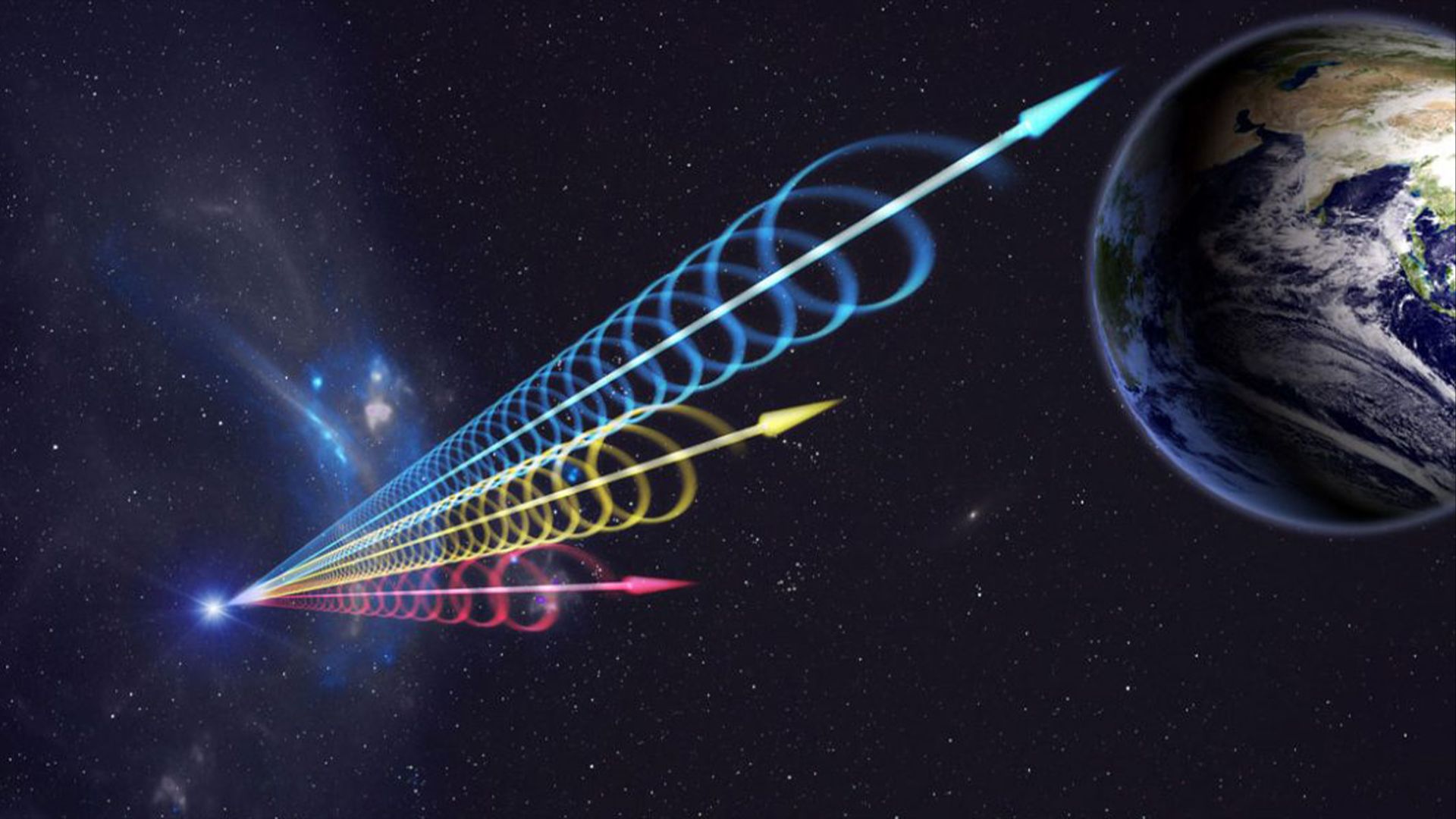
Astronomers have detected the most distant burst of radio signals ever seen: an explosion that's emitting waves of energy from more than 10 billion light-years away.The event, named FRB 20240304B, is known as a fast radio burst (FRB). Astronomers have detected thousands of FRBs before this. But because these events last only milliseconds, they are extremely difficult to study and their origin stories remain unclear.In this case, however, astronomers managed to use a radio telescope array and the James Webb Space Telescope (JWST) to chart the event, with JWST narrowing down the precise host galaxy that FRB 20240304B came from. The study, published Thursday (Oct. 8) in the journal Science , sh...

📅 2026-10-08 18:00:00    •    Live Science
Read Original Article →
The Milky Way is one galaxy — but it used to be thousands, new simulations reveal
Science News

The Milky Way is one galaxy — but it used to be thousands, new simulations reveal

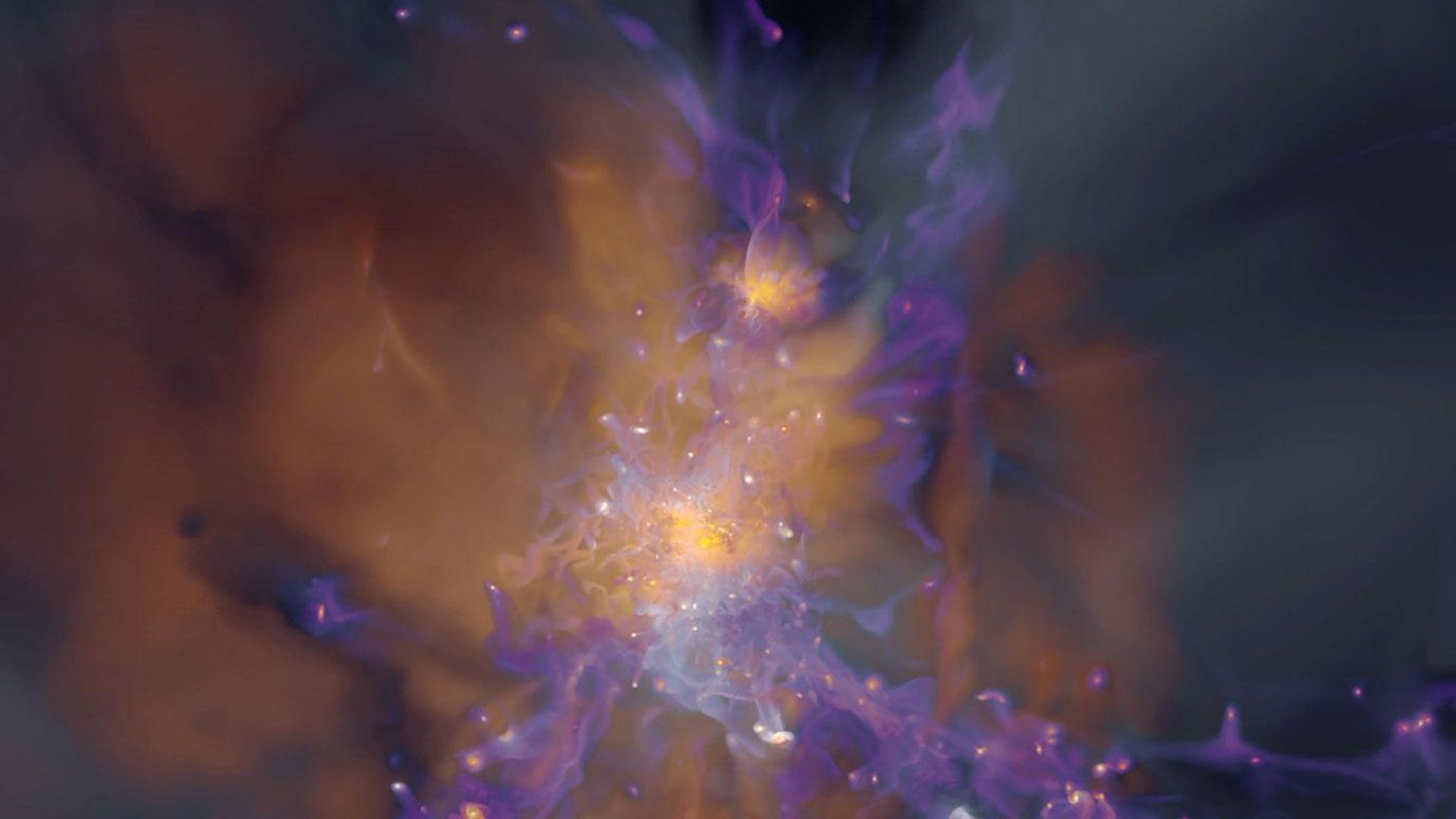
Long before it became the luminous spiral galaxy we call home, the Milky Way was a sprawling, chaotic swarm of thousands of small galaxies, new research shows.The findings suggest that in the first 2 billion years after the Big Bang, the region of the universe that would become our galaxy was littered with thousands of smaller galaxies of many sizes and shapes. Over time, these galaxies collided and merged into the single galaxy in which we reside today."Looking at these results, it's very clear that the physics happening right after the Big Bang has direct impact on what we see today in the local universe," study co-author Harley Katz, an assistant professor of astronomy and astrophysics at...

📅 2026-10-08 17:40:51    •    Live Science
Read Original Article →
Would you trust AI to calculate your true 'biological age'?
Science News

Would you trust AI to calculate your true 'biological age'?

Scientists have recently harnessed artificial intelligence (AI) to build "aging clocks" that aim to estimate a person's true biological age. While a person's chronological age reflects the number of years they've been alive, their biological age is intended to capture how well their bodily systems are functioning. The idea is that people with older biological ages have a higher risk of age-related diseases ‪—‬ such as cancer, heart disease or dementia ‪—‬ while younger biological ages come with less risk. Some aging clocks even aim to predict people's impending risk of death.Related storiesSped-up 'biological aging' linked to worse memoryAging doesn't look the same for everyone at the molecu...

📅 2026-10-08 16:09:52    •    Live Science
Read Original Article →
AI or ‘super intelligence’? Trump isn’t the only one who is confused
Science News

AI or ‘super intelligence’? Trump isn’t the only one who is confused

Is super intelligence any different from artificial intelligence?Imago / Alamy In the decades since the field began, most of the debate surrounding artificial intelligence has been about the intelligence part: can machines really think like we do? But in recent weeks, US President Donald Trump has kicked off an argument about the other part – and joined a long tradition of shifting the goal posts when it comes to AI. “The use of the word artificial makes intelligence fake, it makes it sound fake, and it is not fake. It’s actually amazing,” said Trump during a speech at the UN General Assembly on 22 September. He is calling for artificial intelligence to be rebranded as “super intelligence”, ...

📅 2026-10-08 16:07:59    •    New Scientist
Read Original Article →
The central Pacific Ocean just broke a temperature record. Experts say it might signal a new kind of El Niño.
Science News

The central Pacific Ocean just broke a temperature record. Experts say it might signal a new kind of El Niño.

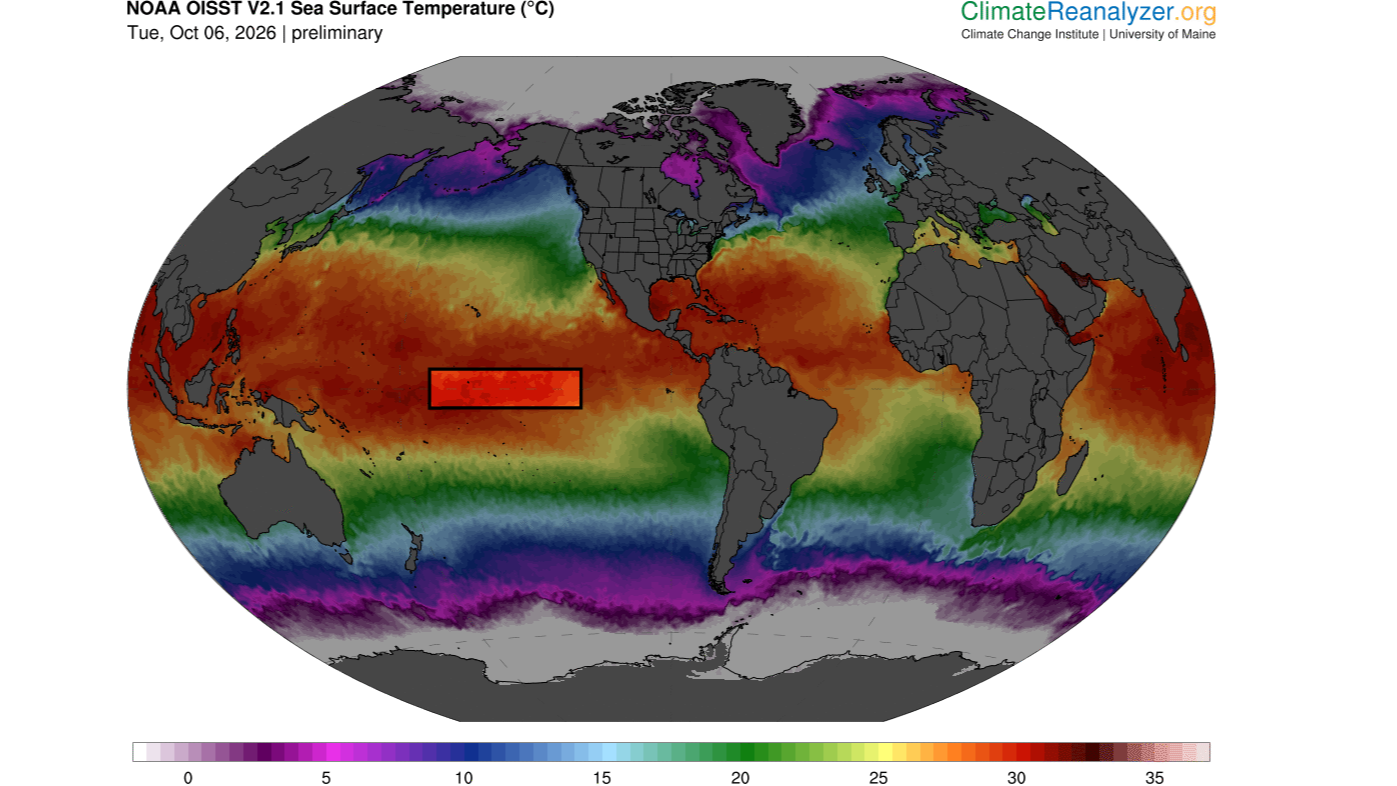
The sea surface temperature in a key section of the central equatorial Pacific Ocean has now surpassed all previous temperatures on record for this region, exceeding 86 degrees Fahrenheit (30 degrees Celsius) for the first time, according to preliminary data released Monday (Oct. 5).Specifically, these temperatures occurred in the Niño 3.4 region, located between 5 degrees north and 5 degrees south latitude, and 120 degrees west and 170 degrees west longitude. Researchers use this region to monitor the progression of El Niño, the warm phase of a multiyear natural climate pattern that's currently in full swing and steadily intensifying. But how significant is this new record, and could it be ...

📅 2026-10-08 15:43:55    •    Live Science
Read Original Article →
Climate satire Digger – with Tom Cruise on top form – is full of surprises
Science News

Climate satire Digger – with Tom Cruise on top form – is full of surprises

Tom Cruise plays the role of an oil tycoon in climate change satire Digger2026 Warner Bros. Ent. Things aren’t looking good for Digger Rockwell, the ageing oligarch behind the crisis in Alejandro Gonzalez Iñárritu’s new climate change satire Digger. Nor is the prognosis rosy for the film itself – panned by critics and passed over by global audiences, it is poised to become one of the biggest flops of 2026. But don’t let that negativity fool you. Pretentious, bombastic and sometimes painful, it is nevertheless a brutal takedown of the forces and failures behind planetary degradation. Held together by a terrific performance from Tom Cruise, Digger is more than worth your time – even if you end...

📅 2026-10-08 14:00:00    •    New Scientist
Read Original Article →
Scientists accidentally discover a genetic code that breaks the rules of life
Science News

Scientists accidentally discover a genetic code that breaks the rules of life

Scientists accidentally discovered a microscopic organism with a genetic code that breaks a rule researchers thought was nearly universal. While testing a new DNA sequencing technique, they examined a previously unknown protist collected from a freshwater pond at Oxford University. To their surprise, the organism uses two genetic signals that normally mark the end of a gene to encode two entirely different amino acids instead. These signals were previously thought to evolve together, making the discovery particularly remarkable.

📅 2026-10-08 13:31:39    •    ScienceDaily
Read Original Article →
This “golden tree” coral was too strange for any known family
Science News

This “golden tree” coral was too strange for any known family

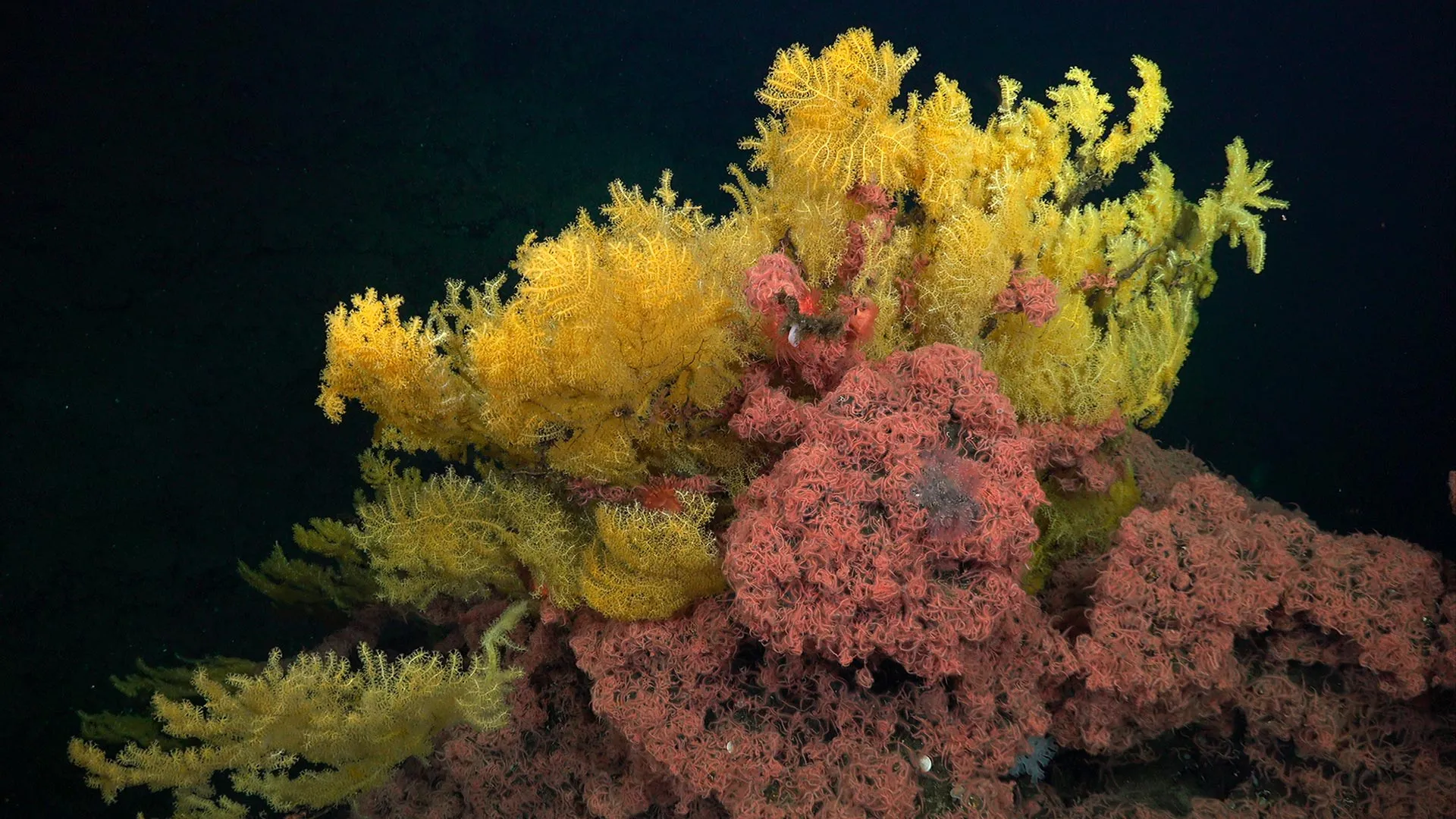
A brilliant yellow coral discovered off Costa Rica proved so unusual that scientists had to create an entirely new family to classify it. The meter-tall colonies rise from seafloors covered in brittle stars, inspiring the Tolkien-inspired name Laurinque elenya, or “golden tree of the stars.” Advanced genetic analysis revealed that the coral belongs to a previously unknown evolutionary lineage.

📅 2026-10-08 13:18:54    •    ScienceDaily
Read Original Article →
High-resolution global atmospheric model erases 'popcornlike' rain
Science News

High-resolution global atmospheric model erases 'popcornlike' rain

Global climate and weather forecasting use predictive models that divide Earth's atmosphere into a grid, with each section typically covering tens to hundreds of kilometers. Now a new model, run by a team at the University of Tokyo, has narrowed this grid spacing to just 220 meters (720 feet). This higher resolution eliminated instances of "popcornlike" rain—bursts of heavy rain that appear in simulations but not in real life—providing more accurate predictions of extreme local weather from a global model.

📅 2026-10-08 13:00:01    •    Phys.org
Read Original Article →
Scientists found Homo erectus 200,000 years earlier than expected
Science News

Scientists found Homo erectus 200,000 years earlier than expected

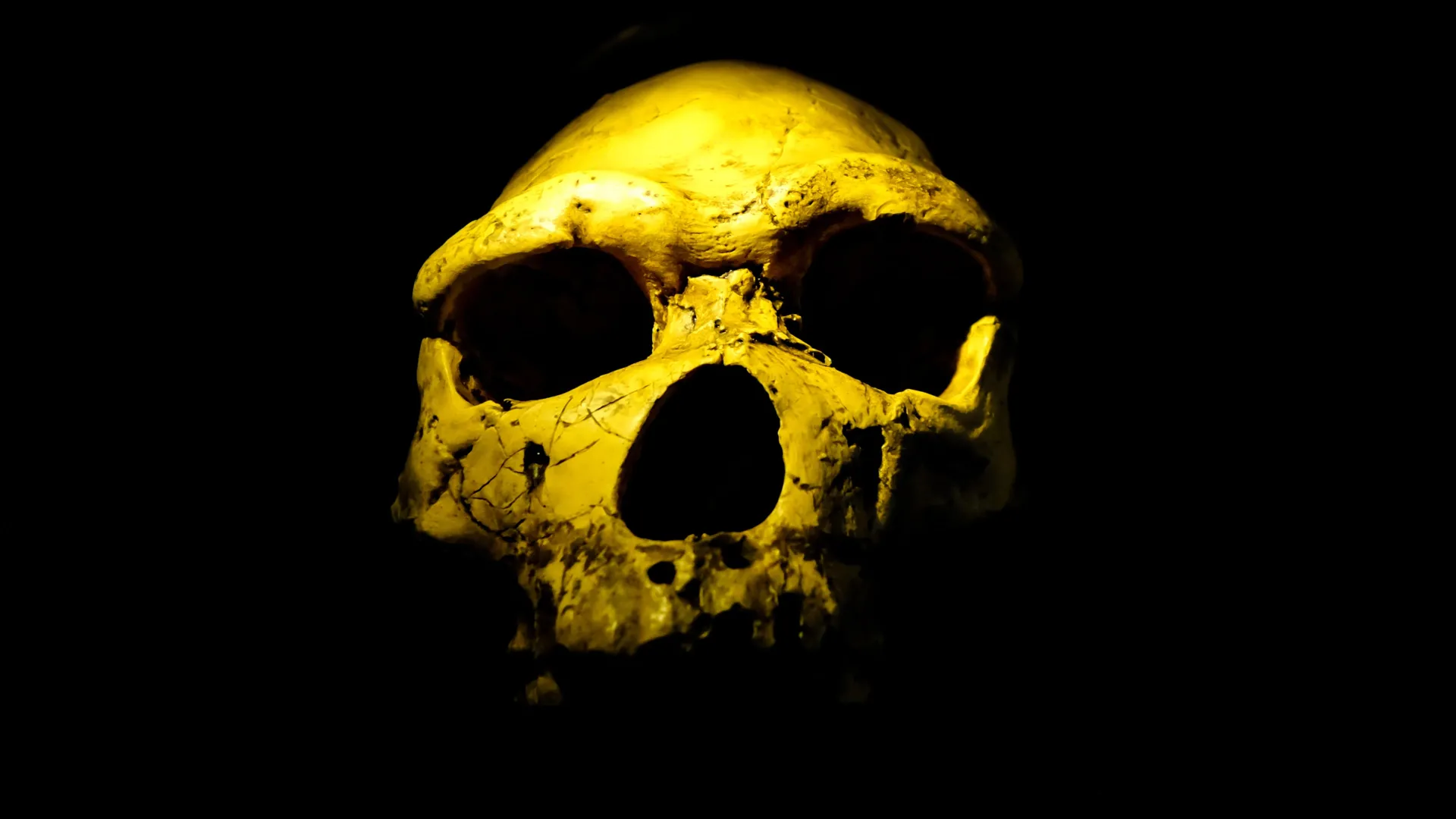
New fossils from South Africa are reshaping the story of early human evolution. Researchers have described 18 hominin fossils from Drimolen Cave, including an adult Homo erectus skull fragment dated to about 2 million years ago, supporting evidence that the species appeared in southern Africa roughly 200,000 years earlier than long thought. The finds also reveal that Paranthropus robustus, which lived alongside Homo erectus, was gradually evolving even larger teeth and stronger chewing muscles as the climate changed.

📅 2026-10-08 12:47:46    •    ScienceDaily
Read Original Article →
Page 81of 202   •   4,828articles