New gel fuel could make rocket and satellite propulsion easier to control
A kerosene-based gel developed by Concordia researchers could make rocket and satellite fuels easier to store and control.
Explore the latest scientific discoveries, science news, breakthroughs and developments from around the world.
A kerosene-based gel developed by Concordia researchers could make rocket and satellite fuels easier to store and control.
The mysterious force that cleared the cosmic fog at the dawn of the universe may not be what we thought, a new study suggests. The results hint that astronomers may need to rethink a major aspect of cosmological evolution, which led to the universe we clearly see today. Around 400,000 years after the Big Bang, the fledgling universe finally cooled enough to form atoms — mostly hydrogen. But these neutral, non-electrically charged hydrogen atoms shrouded the cosmos in a fog that made it opaque to ultraviolet (UV) light. Then, after the first stars flickered to life and gathered into galaxies, bursts of radiation ionized the neutral hydrogen. This turned the impenetrable fog of atoms into elec...
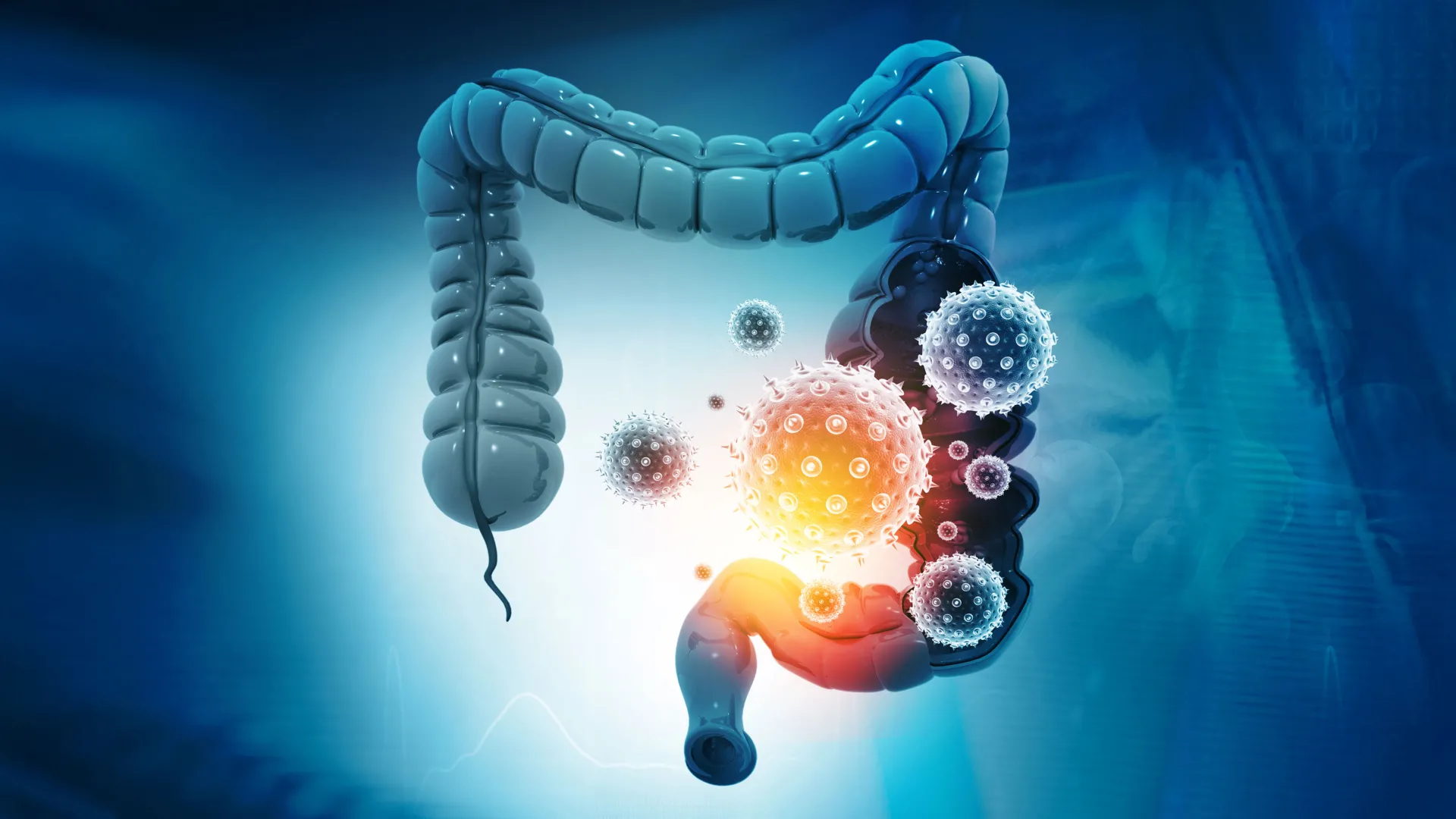
Scientists at Johns Hopkins have uncovered a crucial missing link between a common gut bacterium and colorectal cancer, solving a mystery that has puzzled researchers for nearly two decades. The bacterium, Bacteroides fragilis, produces a toxin that damages the colon’s protective lining, triggers chronic inflammation, and promotes tumor formation.
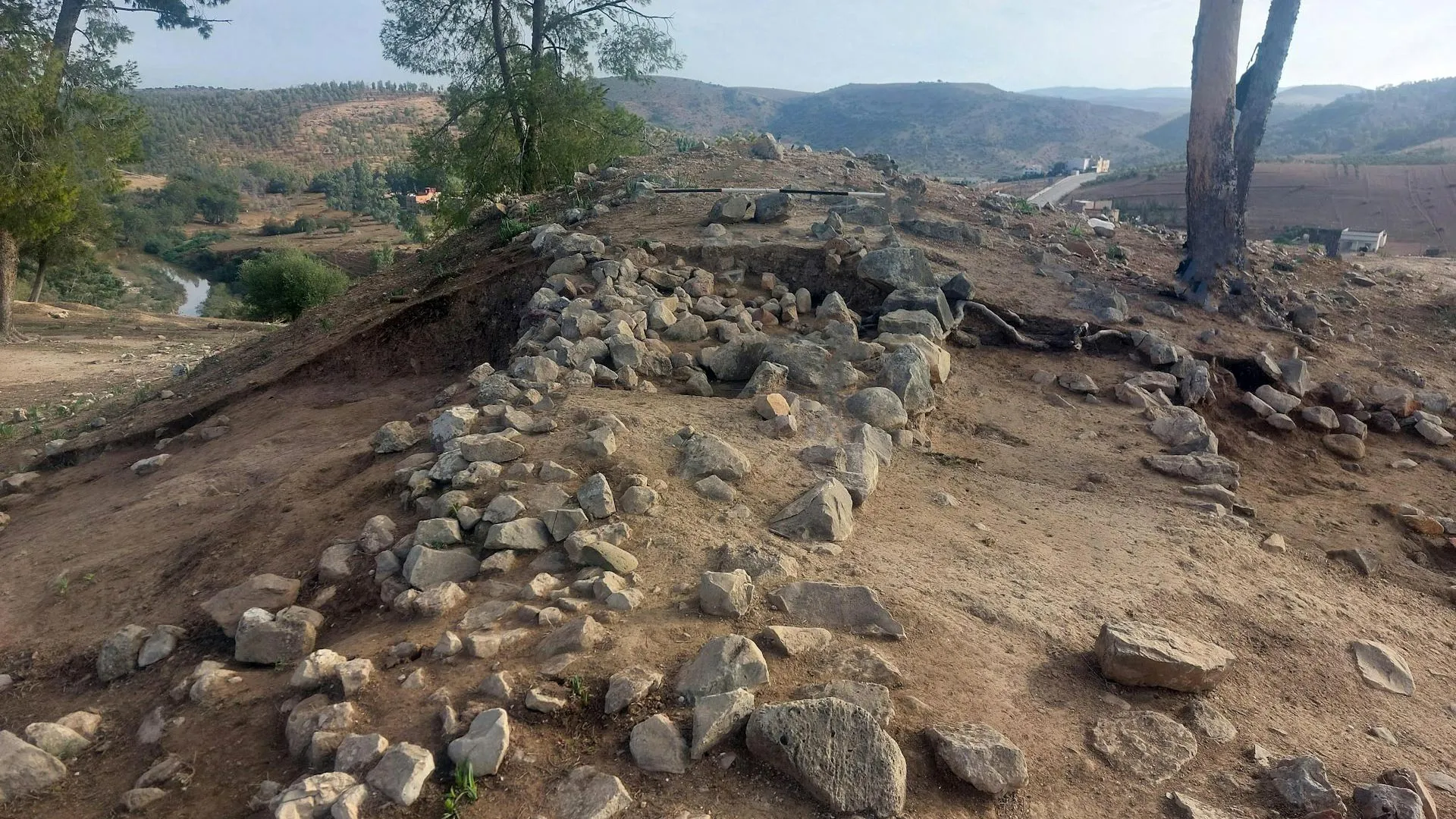
A remarkable 4,000-year-old defensive structure discovered in Morocco is rewriting what scientists thought they knew about ancient North African civilizations. The massive fortifications reveal unexpectedly sophisticated prehistoric societies and suggest that the region played a much greater role in Mediterranean history than previously recognized.
Among the ravenous carnivores and lumbering herbivores that roamed the Cretaceous landscape, another kind of dinosaur was evolving that started to eat something else: the plants that began to flower and produce fruit. The discovery by paleontologists from Stony Brook University, Royal Ontario Museum (ROM) and the North Dakota Geological Survey reveals that a new species, Infernogallus jamesi—a type of small oviraptorosaur—had chewing muscles for mashing soft food, making it the first known dinosaur that specifically ate fruit.
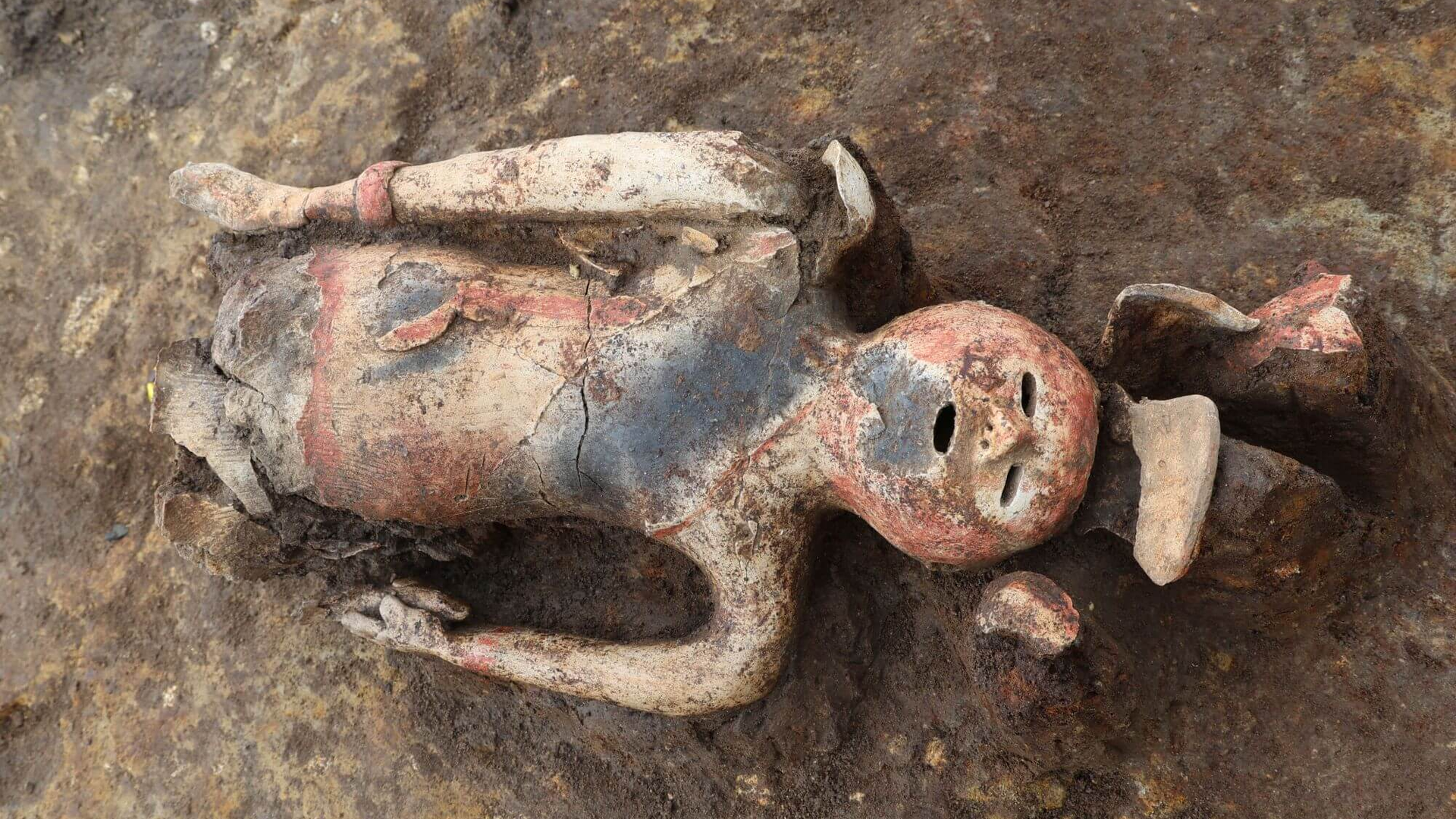
Archaeologists have discovered a ghostly human-shaped artifact at a fifth-century burial mound in Japan. The clay figurine's appearance suggests it represents a female shaman who once guarded a tomb.The artifact was unearthed at the archaeological site of Nishikaminomiya, northwest of Tokyo, according to a translated statement from Japan's Gunma prefectural government. At the site, archaeologists found nearly a dozen burial mounds known as "kofun" dated to the fifth and sixth centuries. This time period in Japanese history, which lasted from about A.D. 300 to 710, is called the Kofun period. Many tombs in this period had cylindrical clay sculptures called "haniwa" that were used as offerings...
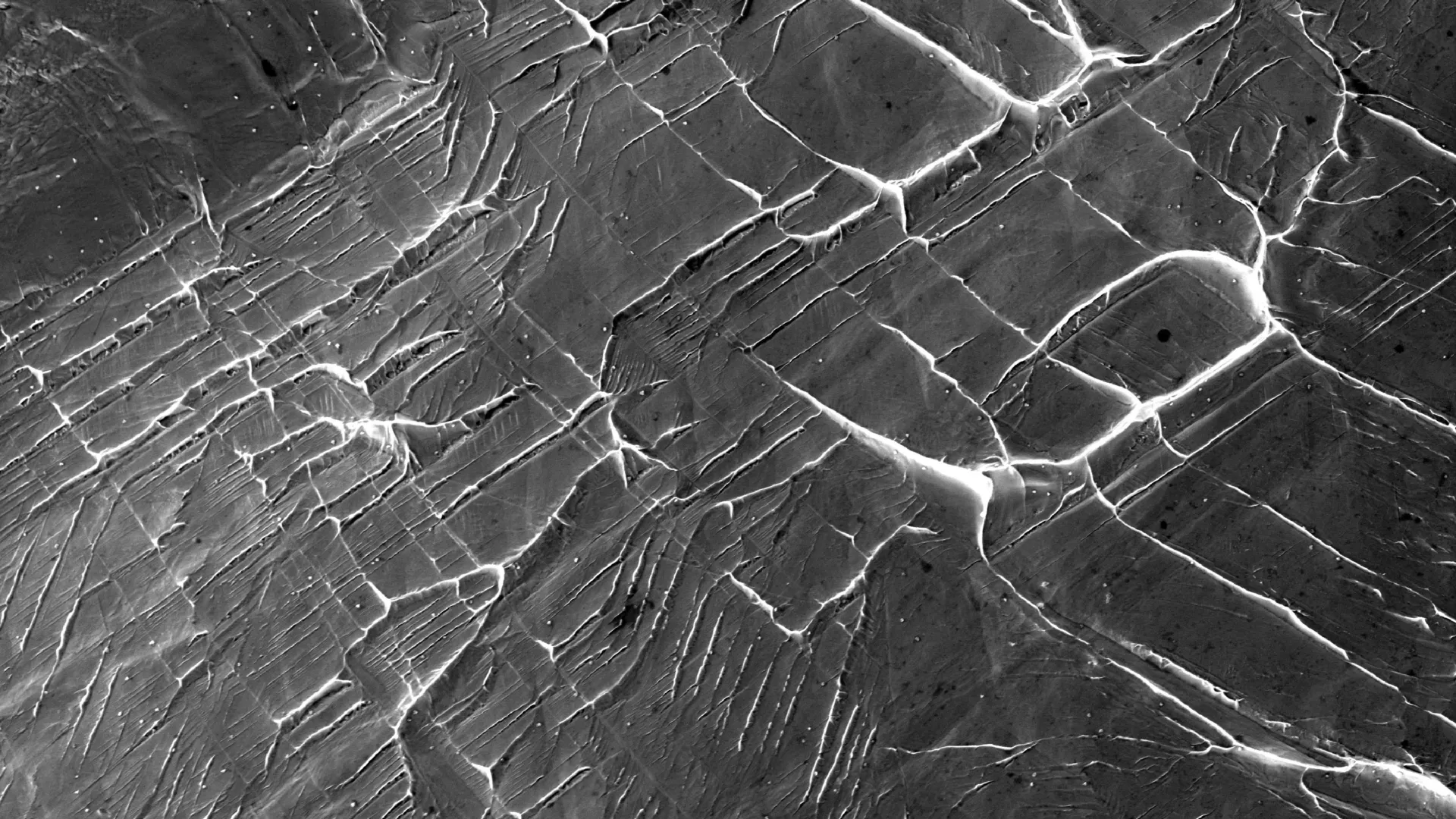
Scientists have discovered a surprising mechanism that allows certain metals to resist cracking at temperatures as low as -253°C (-424°F), when similar materials typically become dangerously brittle. Instead of breaking, two experimental alloys reorganize their internal structures, creating new ways to absorb stress and remain flexible.
A research team has designed and synthesized a molecular cage with an internal cavity by connecting two curved π-conjugated molecules face-to-face at three points.
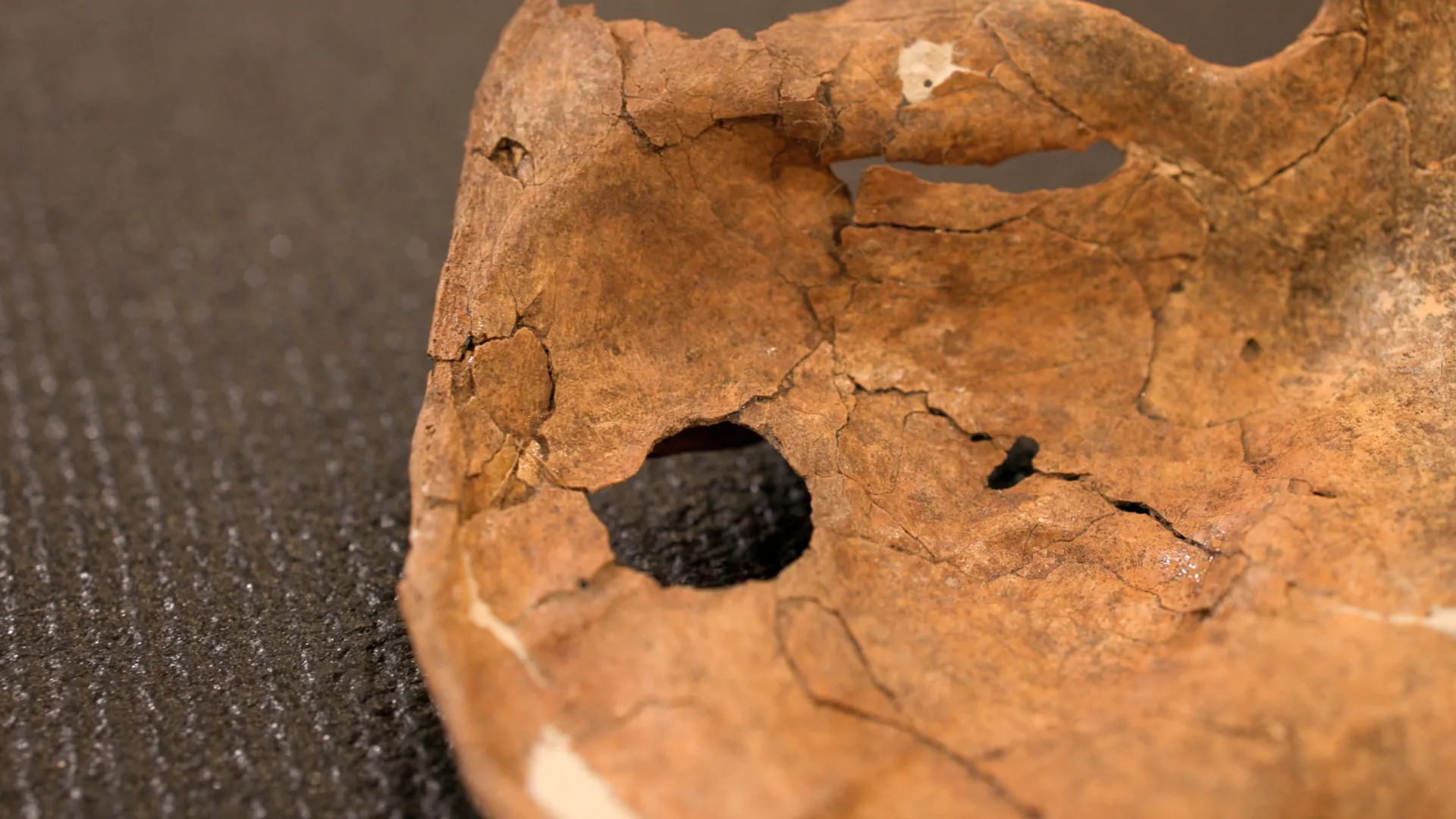
A Neanderthal who died 75,000 years ago may have been killed by a wooden spear deliberately aimed at the heart, revealing rare evidence of prehistoric violence. A circular hole in the shoulder blade suggests the weapon pierced the chest and caused a rapidly fatal injury. Surprisingly, the same individual had survived an earlier devastating facial injury, suggesting other Neanderthals provided care and support.
At a landmark Canadian trial focused on the government's obligations to fight climate change, the young plaintiffs suing Ottawa over alleged policy failures have sought to focus attention on their mental health.
The iconic nature documentary "Blue Planet" is set to return with a splash this weekend as Sir David Attenborough narrates the third installment of the BBC series. The six new episodes promise to take us deeper into the world's oceans than ever before, so wherever you are in the world, here are all the TV and streaming you need to dive right in.How to watch "Blue Planet III" — Quick Guide► Date: Sunday, Nov. 1 at 8 p.m. (UK)► TV: BBC One (UK)► UK stream: BBC iPlayer► Watch anywhere: Surfshark VPN (free trial)The new season promises to push the boundaries of underwater wildlife filmmaking, using next-generation camera technology including "splash drones" that can land, float and take off dire...
Staring at yourself in the mirror can create an illusionary effect, distorting your features to the point of appearing fantastical