Latest Scientific Discoveries

All News β†’
Fingernail-sized chip untangles mixed light into clean beams
Science News

Fingernail-sized chip untangles mixed light into clean beams

Stanford engineers and colleagues designed a chip that can take a muddled mixture of light from multiple lasers and output clean beams of light. It's the first time researchers have demonstrated a device that can take in mixed, or partially coherent, light and sort its photons into a clear set of separate beams.

πŸ“… 2026-11-03 14:20:12    β€’    Phys.org
A tiny shift exposes a cold brown dwarf masquerading as an early galaxy
Science News

A tiny shift exposes a cold brown dwarf masquerading as an early galaxy

A faint red object spotted by the James Webb Space Telescope originally appeared to offer a possible glimpse of the universe's first galaxies. But images taken about 3Β½ years apart revealed a giveaway: The object, nicknamed Capotauro, had moved.

πŸ“… 2026-11-03 13:40:08    β€’    Phys.org
Unpacking wheat's water use for drought research
Science News

Unpacking wheat's water use for drought research

Researchers at The University of Queensland have developed a way to quantify how wheat varieties capture and convert soil water. Dr. Raul Gimenez from the Queensland Alliance for Agriculture and Food Innovation said the technique could be used to identify drought-tolerant crops.

πŸ“… 2026-11-03 13:40:01    β€’    Phys.org
Tree shade offers critical heat relief for people experiencing unsheltered homelessness
Science News

Tree shade offers critical heat relief for people experiencing unsheltered homelessness

People experiencing unsheltered homelessness in Salt Lake City face hours of dangerous daytime heat and hot nights that offer little relief, according to a University of Utah study. Researchers also found that tree shade helps people feel measurably cooler, making it a critical resource for those without access to shelter.

πŸ“… 2026-11-03 13:20:05    β€’    Phys.org
The brain’s hidden fear mechanism may explain anxiety and PTSD
Science News

The brain’s hidden fear mechanism may explain anxiety and PTSD

A surprising new discovery suggests that fear may cause the brain to blur the line between danger and safety rather than distinguish them more clearly. By observing brain activity in mice using augmented reality, scientists found that memories of threatening and harmless environments began to overlap, potentially allowing faster responses to danger. This "better safe than sorry" survival mechanism could help explain why people with anxiety or PTSD sometimes experience intense fear in completely safe situations.

πŸ“… 2026-11-03 13:03:02    β€’    ScienceDaily
Using sentimental possessions makes them more meaningful, study finds
Science News

Using sentimental possessions makes them more meaningful, study finds

Consumers often protect their sentimentally valuable possessions by storing them away, which precludes them from being used. Across five studies, research from the University of Missouri-St. Louis and the University of Oregon shows that usage of sentimentally valuable objects increases their sentimental value.

πŸ“… 2026-11-03 13:00:05    β€’    Phys.org
A 50-year-old mystery of vanishing frogs reveals a hidden killer
Science News

A 50-year-old mystery of vanishing frogs reveals a hidden killer

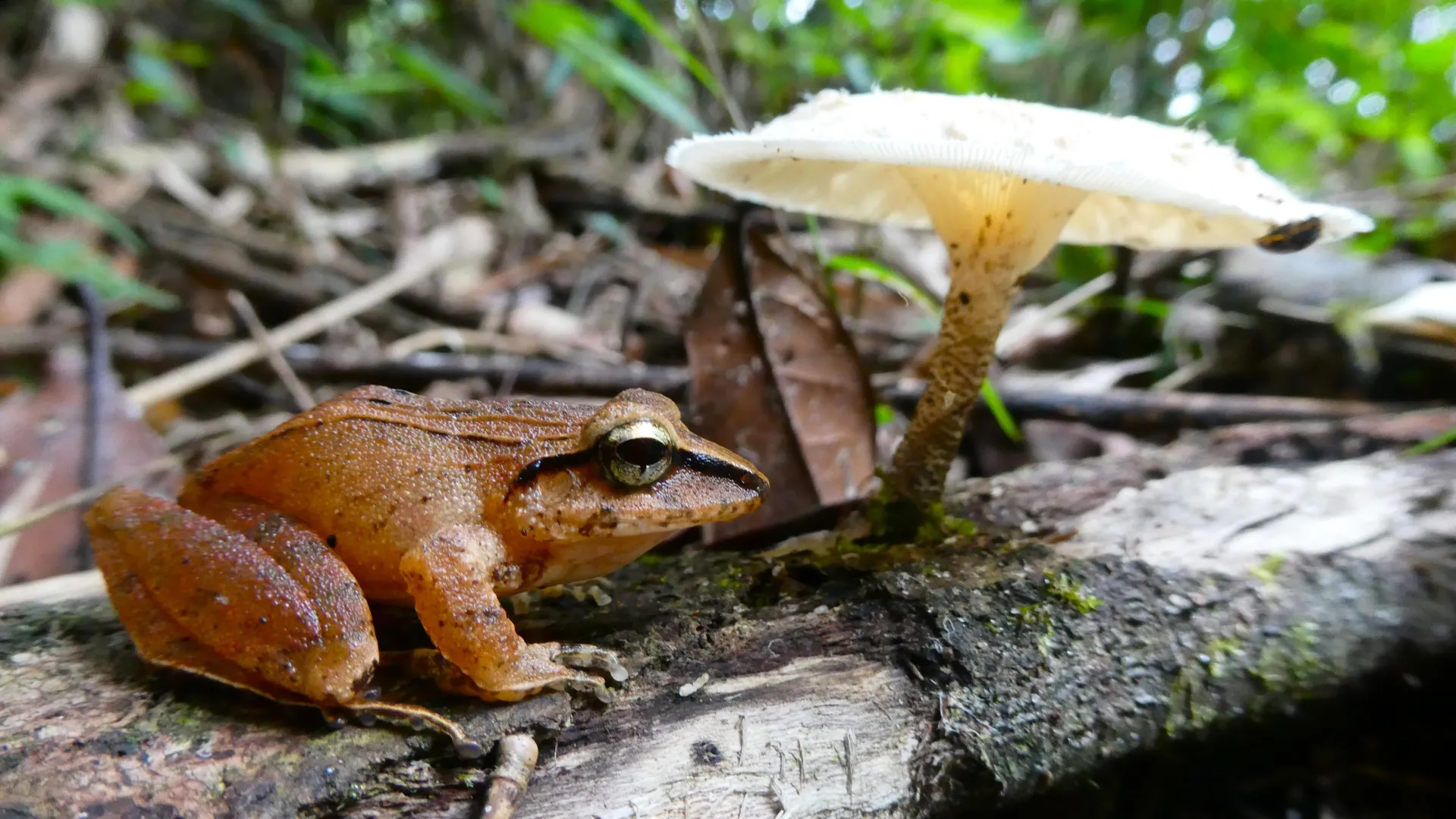
A nearly 50-year-old mystery involving disappearing frogs in Brazil may finally be solved, with scientists uncovering evidence that a deadly fungus swept through the region and devastated vulnerable species. Remarkably, many frog populations have since rebounded, suggesting they developed greater tolerance to the disease that once threatened their survival.

πŸ“… 2026-11-03 12:51:53    β€’    ScienceDaily
Scientists discover a surprising clue to autism's origins hidden in the placenta
Science News

Scientists discover a surprising clue to autism's origins hidden in the placenta

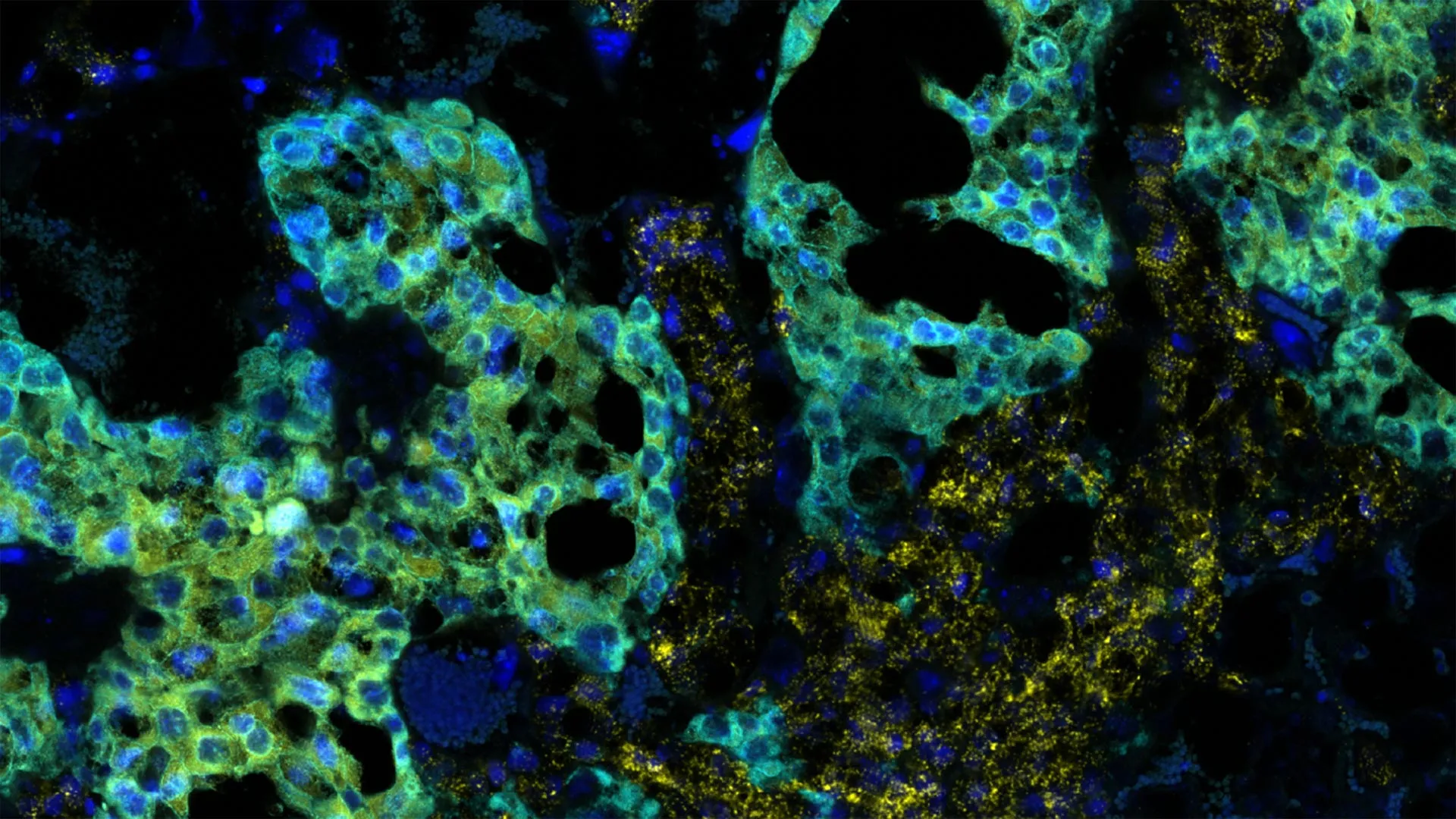
Scientists have uncovered an unexpected connection between inflammation during pregnancy, placental damage, and autism-like traits in male mice, while females appeared naturally protected. The discovery could help explain why autism is diagnosed more frequently in boys and reveal new opportunities for early intervention.

πŸ“… 2026-11-03 12:41:49    β€’    ScienceDaily
Leviathan's sprawling stars challenge idea that dusty giants become compact galaxies
Science News

Leviathan's sprawling stars challenge idea that dusty giants become compact galaxies

Astronomers using the James Webb Space Telescope (JWST) have confirmed a massive, dust-rich galaxy called Leviathan in the early universe. Seen when the universe was roughly 1.5 billion years old, the galaxy has its stars spread out rather than in a concentrated fashion. A paper, describing its strange stellar distribution, was posted to the arXiv preprint server on Oct. 19.

πŸ“… 2026-11-03 12:40:06    β€’    Phys.org
Scientists discover surprising heart benefits of eating avocado and mango every day
Science News

Scientists discover surprising heart benefits of eating avocado and mango every day

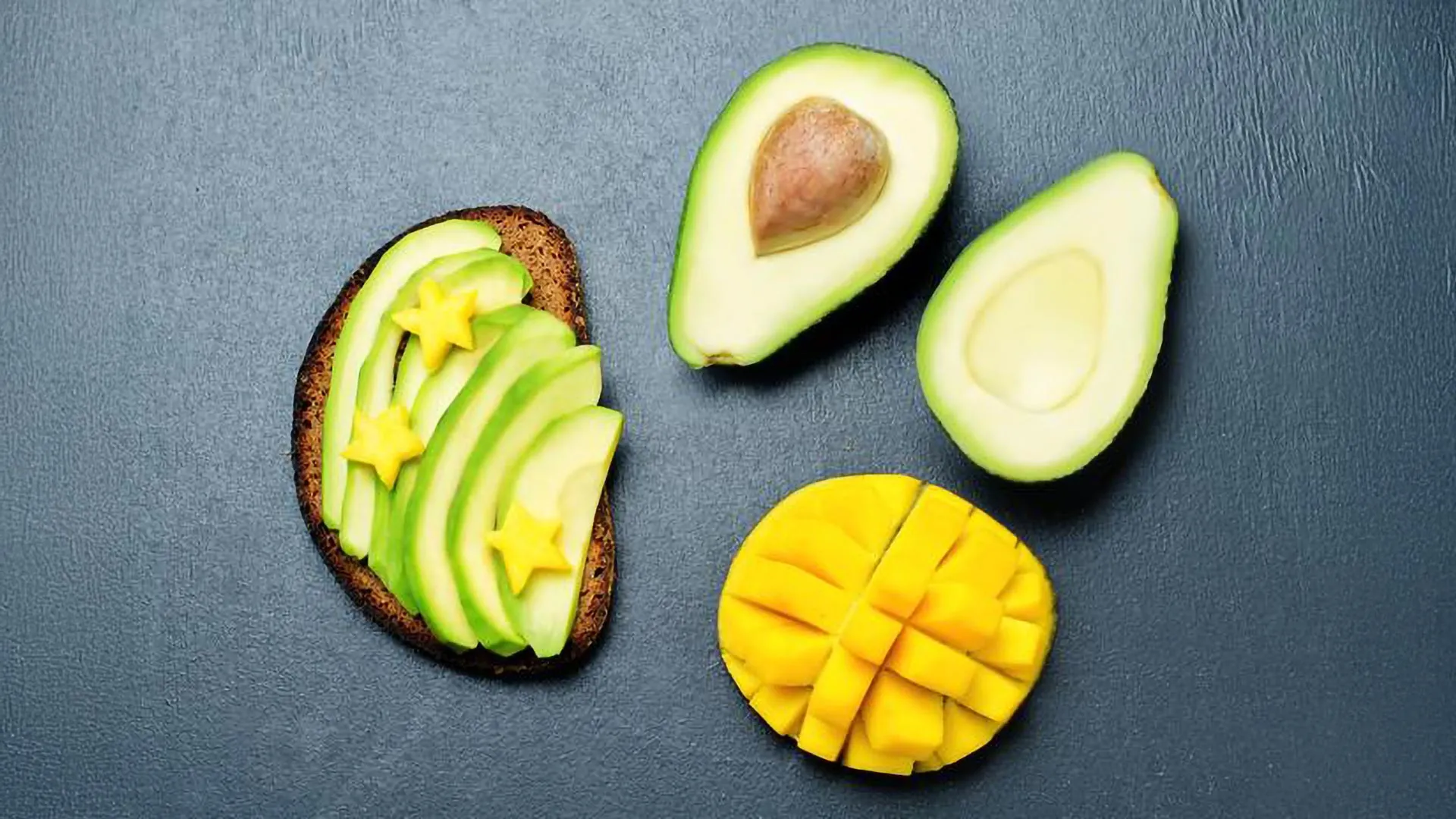
Eating an avocado and a cup of mango every day may provide surprising benefits for heart health, according to a new study involving adults with prediabetes. After just eight weeks, participants experienced significant improvements in blood vessel function and diastolic blood pressure, particularly among men. These benefits occurred without weight gain or changes in calorie intake, suggesting that the nutrient-rich combination could support cardiovascular health through a simple dietary adjustment.

πŸ“… 2026-11-03 12:27:14    β€’    ScienceDaily
Scientists identify two overlooked skills that predict reading success
Science News

Scientists identify two overlooked skills that predict reading success

A massive new study reveals that intelligence plays a surprisingly limited role in children's reading success, while visual processing showed no meaningful connection at all. Instead, the strongest predictors are sound recognition, vocabulary, and background knowledge, offering new clues about how to help struggling readers.

πŸ“… 2026-11-03 12:15:18    β€’    ScienceDaily