Latest Scientific Discoveries

All News →
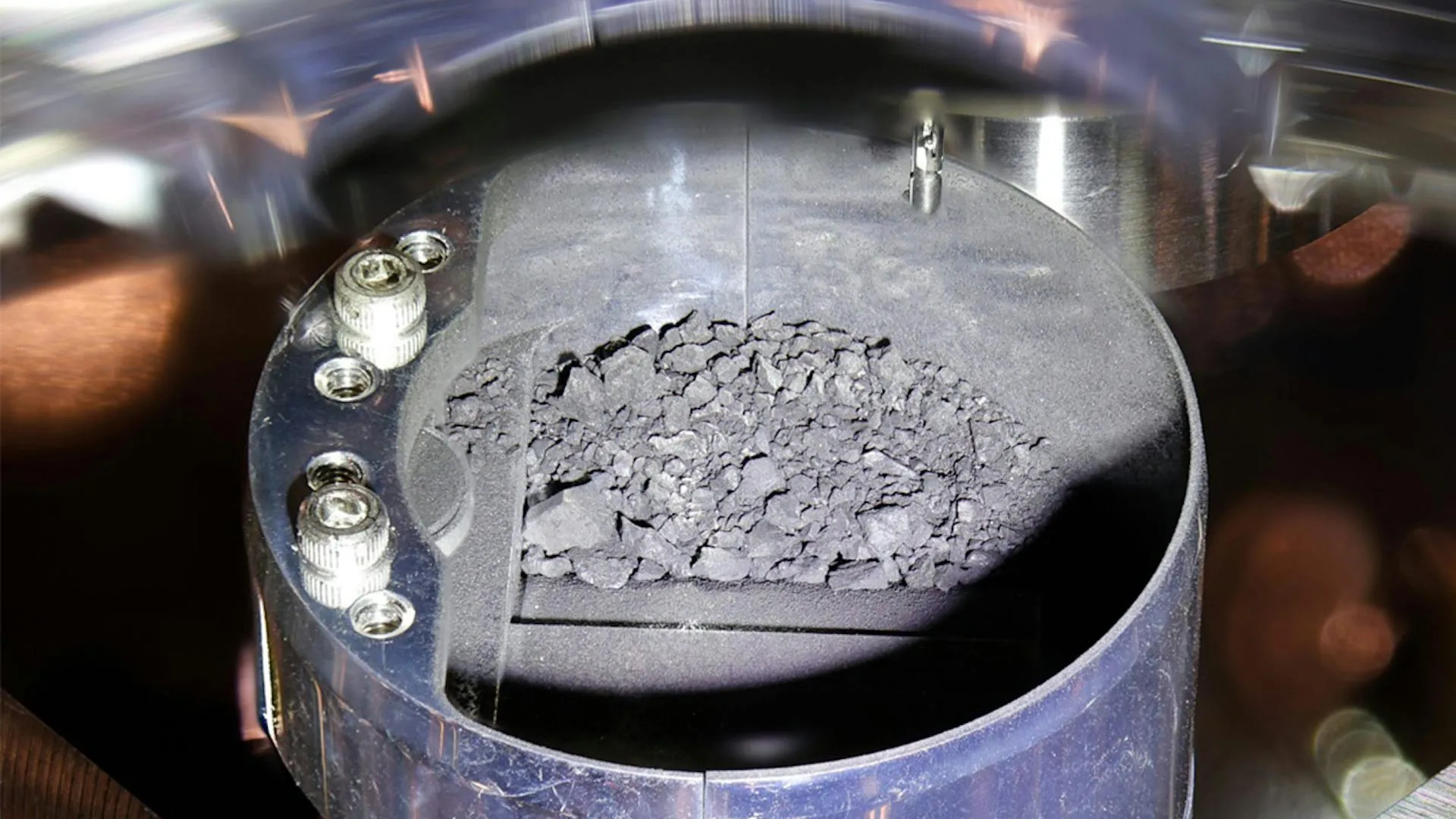
All 5 genetic “letters” of DNA and RNA discovered in a 4.5-billion-year-old asteroid
Science News

All 5 genetic “letters” of DNA and RNA discovered in a 4.5-billion-year-old asteroid

Scientists have discovered all five essential nucleobases used in DNA and RNA in pristine samples from asteroid Ryugu, revealing that key ingredients for life existed in space billions of years ago. The remarkable finding adds to growing evidence from other asteroids and meteorites that these molecules were widespread throughout the early Solar System.

📅 2026-11-03 10:58:24    •    ScienceDaily
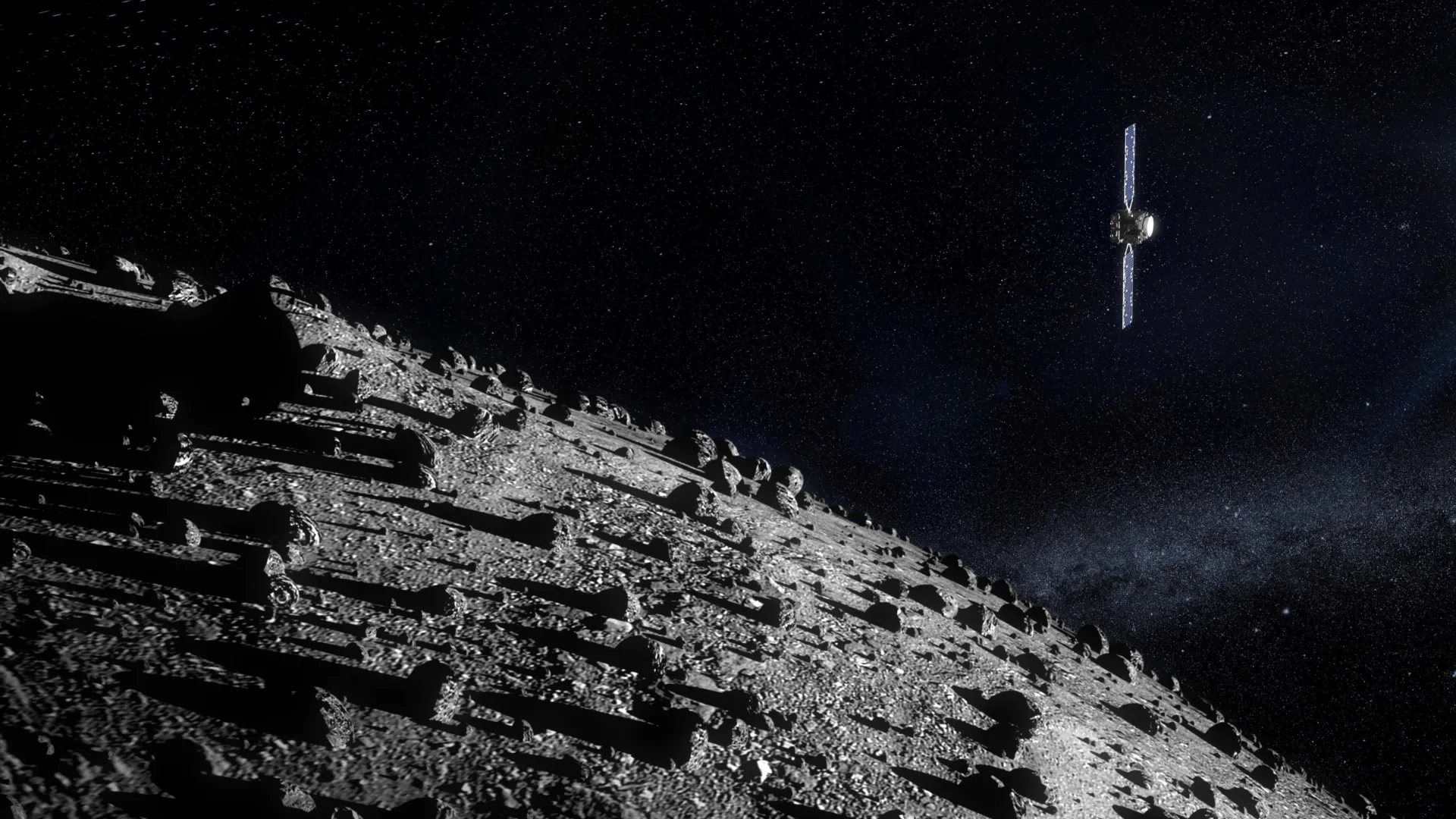
NASA smashed into an asteroid. Now Hera is closing in to see what happened
Science News

NASA smashed into an asteroid. Now Hera is closing in to see what happened

Europe’s Hera spacecraft has captured its first clear view of two asteroids involved in NASA’s historic 2022 experiment to redirect a potentially dangerous space rock. Now approaching the pair, Hera will investigate the mysterious aftermath of the collision and uncover why the asteroid shifted far more than scientists predicted.

📅 2026-11-03 09:46:21    •    ScienceDaily
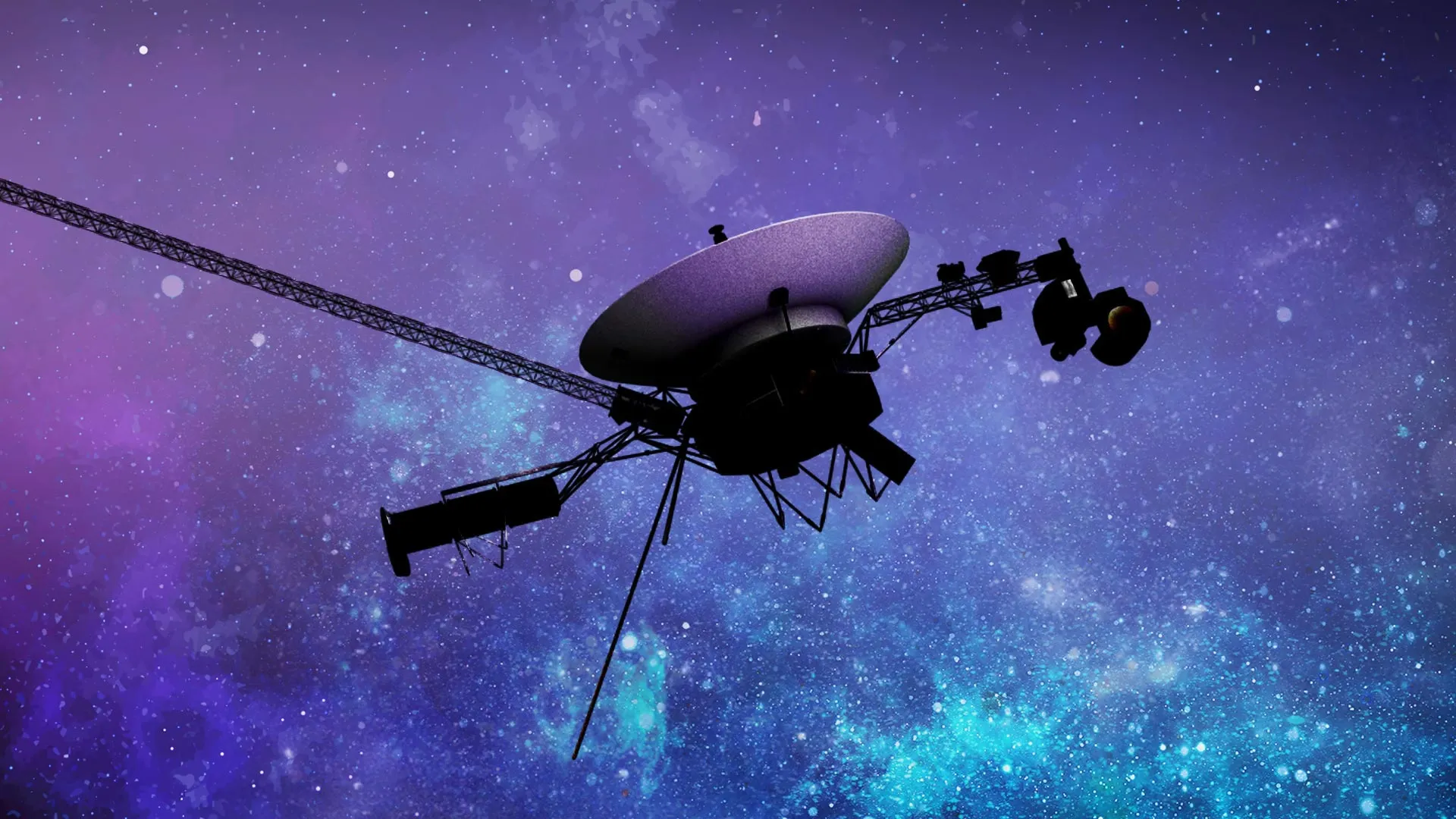
NASA’s Voyager 1 is about to reach a historic one-light-day milestone
Science News

NASA’s Voyager 1 is about to reach a historic one-light-day milestone

NASA’s Voyager 1 is approaching an extraordinary milestone nearly 50 years after its launch, even as engineers battle dwindling power and mysterious technical problems. A clever energy-saving maneuver has extended the spacecraft’s scientific mission, while an unexplained 48-hour communications blackout recently gave NASA a scare. On November 18, Voyager 1 will reach a distance of one light-day from Earth, making even the simplest round-trip communication take 48 hours.

📅 2026-11-03 08:11:10    •    ScienceDaily

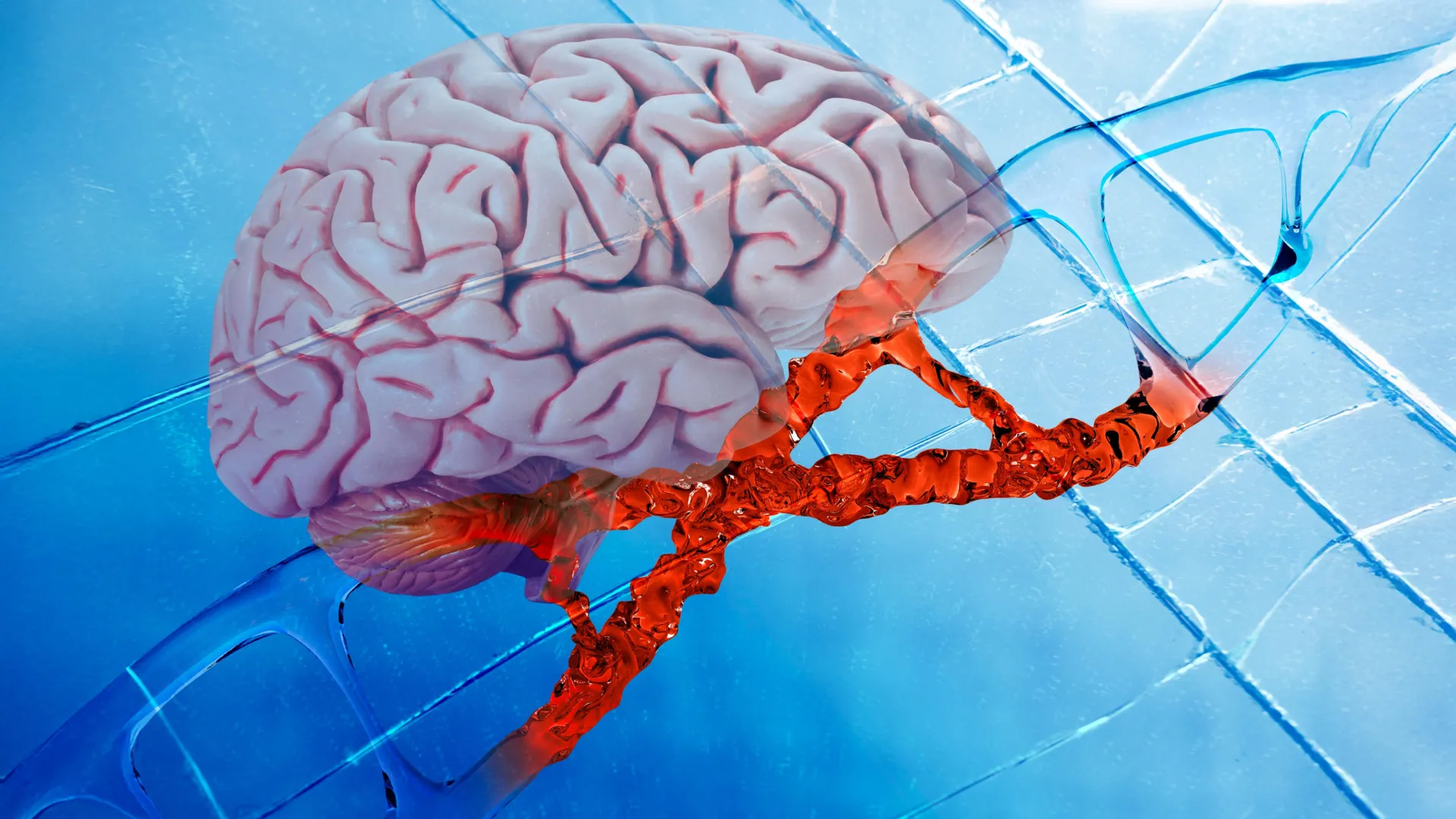
Scientists discover new Alzheimer’s drug that repairs DNA damage and reduces brain inflammation
Science News

Scientists discover new Alzheimer’s drug that repairs DNA damage and reduces brain inflammation

Scientists have discovered that a drug originally developed for spinal cord injuries can tackle several key features of Alzheimer’s disease, including DNA damage and inflammation. Already tested for initial safety in humans, the experimental treatment could offer a faster path toward therapies that target the disease at its roots.

📅 2026-11-03 04:11:58    •    ScienceDaily
China imports millions of donkey hides from Africa every year: New book traces the drivers and impact
Science News

China imports millions of donkey hides from Africa every year: New book traces the drivers and impact

The demand for donkey hides has grown exponentially over the past 15 years, driven mainly by demand from China. Lauren Johnston is a specialist on China trade with Africa. She has spent several years looking into the donkey trade, and has just published a book, "China, Africa and the Market for Donkeys." She answers questions about what she found.

📅 2026-11-03 04:00:02    •    Phys.org
Large Hadron Collider reveals evidence of Big Bang matter in surprisingly small collisions
Science News

Large Hadron Collider reveals evidence of Big Bang matter in surprisingly small collisions

Scientists at CERN's Large Hadron Collider have uncovered compelling new evidence that even relatively small atomic collisions can recreate the extraordinary state of matter that filled the universe moments after the Big Bang. Known as quark-gluon plasma, this exotic substance forms at temperatures more than 100,000 times hotter than the center of the Sun, causing ordinary particles to break apart into their fundamental building blocks.

📅 2026-11-03 02:39:04    •    ScienceDaily
Ceres' water ice can mask massive surface salt deposits
Science News

Ceres' water ice can mask massive surface salt deposits

The dwarf planet Ceres is arguably one of the most overlooked and underappreciated planetary objects in the solar system. This could be because while Ceres has the same dwarf planet designation as Pluto, Ceres is largely considered an "asteroid" since it resides in the main asteroid belt. However, along with being the largest object in the main asteroid belt, Ceres accounts for between 25% and 30% of the belt's total mass.

📅 2026-11-03 02:20:01    •    Phys.org