Latest Scientific Discoveries

All News →
Climate change is making the tropics hotter
Science News

Climate change is making the tropics hotter

A new study finds that tropical areas often thought to be safe from the effects of climate change are actually experiencing significant changes in rainfall and extreme temperature events. The paper, "Shifting climate in Caribbean tropical forests: Long-term trends at La Selva (Costa Rica) and El Verde (Puerto Rico)," is published in PLOS Climate.

šŸ“… 2026-11-03 02:00:01    •    Phys.org
Chinese writing developed square forms gradually, shaped by language, tools and tradition, analysis suggests
Science News

Chinese writing developed square forms gradually, shaped by language, tools and tradition, analysis suggests

A new historical analysis challenges the received wisdom as to why Chinese characters developed their distinctive square shapes. The work, published in the International Journal of Arts and Technology, argues that their shape resulted from interacting linguistic, technological and cultural factors rather than a single cause.

šŸ“… 2026-11-03 01:40:07    •    Phys.org
Scientists just found a loophole that could let black holes split in two
Science News

Scientists just found a loophole that could let black holes split in two

Scientists have discovered a possible loophole in the laws that normally prevent black holes from splitting apart, suggesting that extremely fast-spinning black holes might divide into two. The surprising finding raises the possibility of an entirely new black hole phenomenon that future telescopes could potentially detect.

šŸ“… 2026-11-03 01:27:49    •    ScienceDaily
UK storm surges have far-flung, global climate connections
Science News

UK storm surges have far-flung, global climate connections

Where a storm surge strikes along a stretch of U.K. coastline is decided by global climate patterns in the Atlantic, Arctic and even further afield—according to new research led by Cambridge University.

šŸ“… 2026-11-03 01:20:01    •    Phys.org
Queen's University Belfast students find Neptune's elusive Trojan asteroids
Science News

Queen's University Belfast students find Neptune's elusive Trojan asteroids

An international team led by researchers at Queen's University Belfast has made a discovery that has eluded astronomers for decades. Beginning in 1906, telescope observations revealed a population of asteroids leading and trailing Jupiter, which came to be known as the "Trojan" and "Greek" populations. Since then, astronomers have discovered similar "families" orbiting Saturn and Uranus, but not Neptune. Thanks to the Queen's-led team, the mystery of the missing Trojans has now been resolved.

šŸ“… 2026-11-03 01:00:01    •    Phys.org
When to move is key to mobile retail
Science News

When to move is key to mobile retail

In recent years, the principle behind the humble ice cream truck has been getting a high-tech makeover. Retailers are reinventing mobile stores—both people-piloted and self-driving—often selling perishable items such as baked goods or fresh meals. BPM Analytics projects sales from retail on wheels will grow to $30 billion worldwide by 2030.

šŸ“… 2026-11-03 00:40:05    •    Phys.org
Scientists reverse liver cell aging and cut Alzheimer’s-linked protein in half
Science News

Scientists reverse liver cell aging and cut Alzheimer’s-linked protein in half

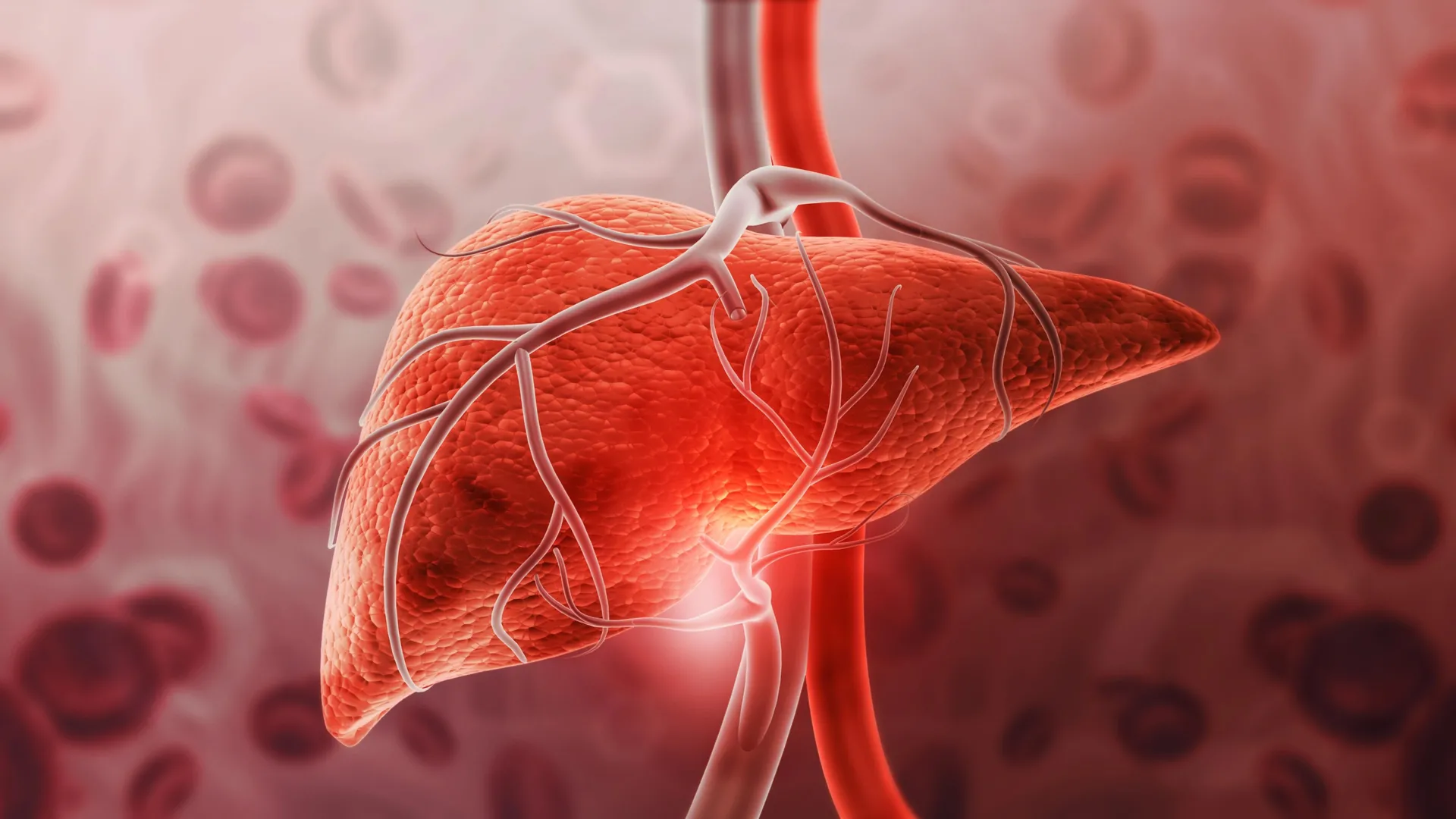
A surprising discovery suggests that rejuvenating the liver could help protect against Alzheimer’s disease and heart disease. USC researchers found that an experimental drug restored aging liver cells in rats, cutting levels of an Alzheimer’s-linked protein in half and bringing bad cholesterol down to youthful levels. The treatment also revived a previously unknown communication system that helps liver cells remove harmful substances from the bloodstream.

šŸ“… 2026-11-03 00:34:59    •    ScienceDaily
Microbes at the end of the Earth: Antarctica's hidden biodiversity
Science News

Microbes at the end of the Earth: Antarctica's hidden biodiversity

When we think about Antarctica, many people imagine penguins, seals and whales. However, the majority of Antarctica's scientific wonders cannot be seen without a microscope. These microbial communities form the foundation of Antarctic ecosystems yet remain largely invisible to most visitors.

šŸ“… 2026-11-03 00:20:01    •    Phys.org
Telltale furrows: What the Baltic Sea seafloor reveals about bottom trawling
Science News

Telltale furrows: What the Baltic Sea seafloor reveals about bottom trawling

To what extent does bottom trawling impact the seafloor of the Baltic Sea—and how quickly does it recover? Two new studies from the Leibniz Institute for Baltic Sea Research Warnemünde (IOW) show that the marks on the seafloor provide a much clearer picture of the actual impact than vessel position data alone. Using high-resolution echo sounder measurements and AI, the researchers reveal previously insufficiently recorded impacts and also document surprisingly rapid changes of the seafloor condition. Furthermore, they found strong indications of fishing violations in a marine protected area. The study results were published in the journals Ecological Informatics and Anthropocene.

šŸ“… 2026-11-02 23:40:04    •    Phys.org