Latest Science & Research News

Stay informed about scientific discoveries, research developments and new findings from around the world.

Latest News

View All →
New statistical method eliminates AI estimation bias in econometrics
Science News

New statistical method eliminates AI estimation bias in econometrics

A new research paper describes a statistical framework that resolves significant calculation biases caused by artificial intelligence in econometric models. The method, two-step extraction, removes estimation bias when researchers measure the business or economic effects of variables extracted using machine learning algorithms from unstructured data such as photos and consumer text.

📅 2026-11-05 14:30:01    •    Phys.org
Read Original Article →
Scientists discover that a clogged filter could revolutionize oil refining
Science News

Scientists discover that a clogged filter could revolutionize oil refining

Scientists have developed a remarkable new membrane that separates crude oil at room temperature, using the oil itself to create microscopic filtration channels. The breakthrough could cut refining energy consumption by nearly 32%, carbon emissions by almost 38%, and operating costs by 36%, potentially transforming one of the world's most energy-intensive industries.

📅 2026-11-05 14:04:07    •    ScienceDaily
Read Original Article →
What sorts of nudges win wallet share in the attention economy?
Science News

What sorts of nudges win wallet share in the attention economy?

Nudges—the subtle interventions that encourage people to make beneficial decisions without forcing them into these choices—are a popular marketing tool widely used for a variety of social causes and business purposes. But their effectiveness depends on finding the right combination of context and content, says Siddharth Bhattacharya, an assistant professor of information systems and operations management at the Costello College of Business.

📅 2026-11-05 14:00:21    •    Phys.org
Read Original Article →
Researchers highlight ferroptosis's dual roles in plant immunity
Science News

Researchers highlight ferroptosis's dual roles in plant immunity

When plants encounter pathogens, they can defend themselves by rapidly killing infected cells to restrict pathogen spread. This immune response, known as the hypersensitive response (HR), was first described in 1915. However, the molecular mechanism underlying HR cell death remained poorly understood for more than a century.

📅 2026-11-05 13:40:01    •    Phys.org
Read Original Article →

A clever molecular trick unlocks previously impossible properties in glass
Science News

A clever molecular trick unlocks previously impossible properties in glass

Scientists have discovered how to reprogram the internal structure of glass using a special molecule that rearranges chemical bonds while lowering the melting temperature. The breakthrough could unlock entirely new glass materials with precisely controlled magnetic and optical properties, opening possibilities for advanced electronics, sensors, and other technologies.

📅 2026-11-05 13:36:51    •    ScienceDaily
Read Original Article →
A phenanthrene co-guest helps crystalline sponges reveal 3D structures of small, low-polarity molecules
Science News

A phenanthrene co-guest helps crystalline sponges reveal 3D structures of small, low-polarity molecules

Adding phenanthrene as a co-guest let the second-generation crystalline sponge (2G-CS) method determine X-ray structures for 24 of 30 small, low-polarity C₁₅ molecules, mostly sesquiterpenoids. Under standard conditions, none of the 30 gave guest-containing crystals. Eleven of the 24 structures had not been reported before, including that of the liquid hydrocarbon longifolene. A chiral version of the cage gave the absolute configurations of five compounds.

📅 2026-11-05 13:20:01    •    Phys.org
Read Original Article →
400,000-year-old teeth reveal a stunning twist in human evolution
Science News

400,000-year-old teeth reveal a stunning twist in human evolution

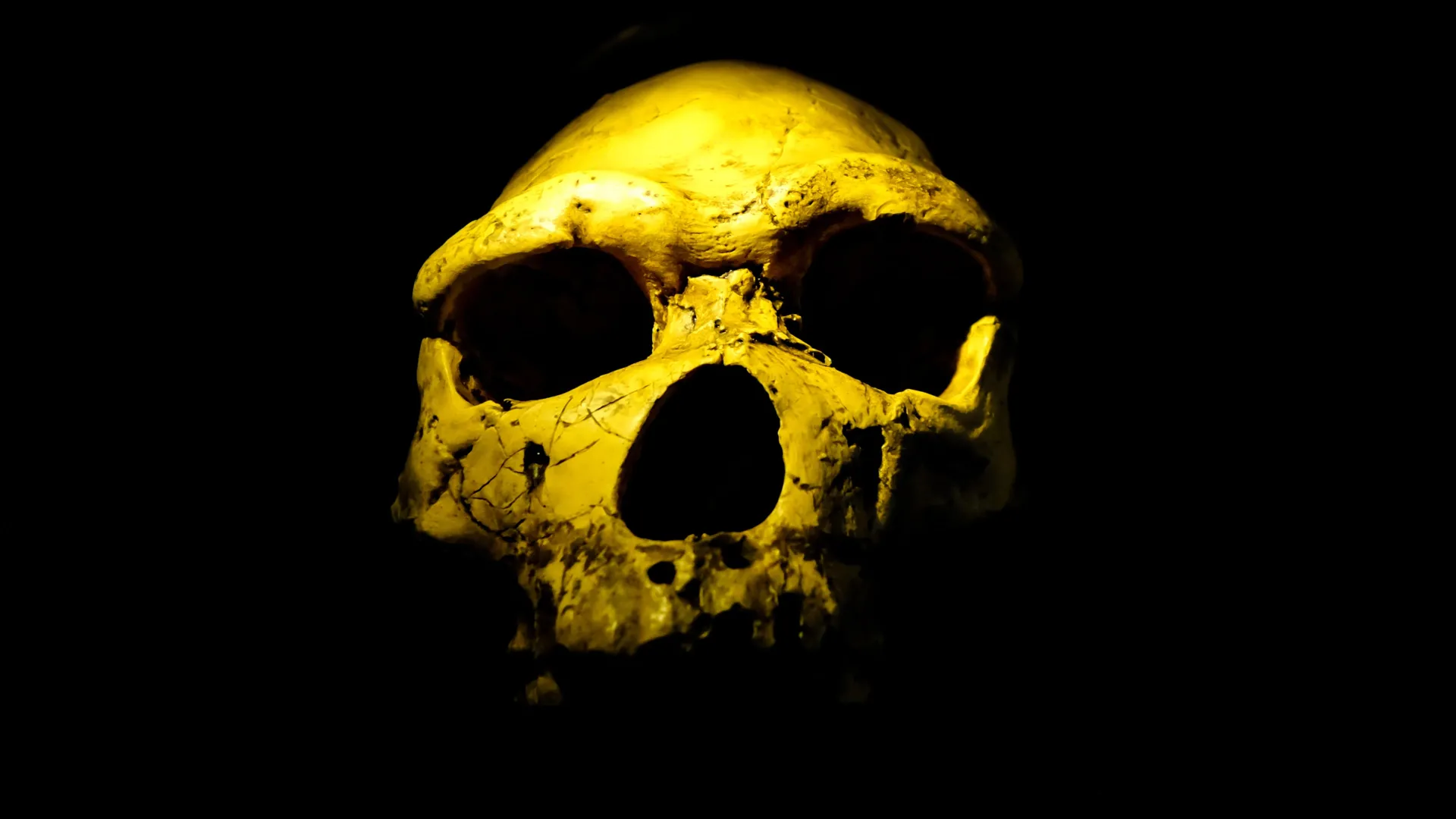
A groundbreaking discovery is rewriting the story of human evolution, revealing that an ancient human species once thought to be an evolutionary dead end may have left genetic traces in people alive today. By extracting proteins from 400,000-year-old Homo erectus teeth discovered in China, scientists uncovered evidence suggesting that these early humans interbred with Denisovans, another mysterious ancient human group. That genetic connection may have eventually reached modern populations in the Philippines, Papua New Guinea, and other parts of Southeast Asia.

📅 2026-11-05 13:05:12    •    ScienceDaily
Read Original Article →
Where U.S. states rank on new housing supply pipeline
Science News

Where U.S. states rank on new housing supply pipeline

In order to know where you're going, you must know where you've been, says an old adage. And a new UNLV housing supply rankings report is putting that proverb into practice by providing policymakers and the public with the nation's first comprehensive look at how state-level new home permitting activity stacks up—and offering clues on local, state or regional measures that could help drive down skyrocketing prices.

📅 2026-11-05 13:00:01    •    Phys.org
Read Original Article →
Historic duck DNA traces wild mallard genetic changes to more than a century of releases
Science News

Historic duck DNA traces wild mallard genetic changes to more than a century of releases

Researchers have long known that releasing domesticated ducks can alter wild populations. Now, a study led by a doctoral student at The University of Texas at El Paso has documented, for the first time in North America, when and where these genetic changes took place and tied them directly to more than a century of releases.

📅 2026-11-05 12:40:06    •    Phys.org
Read Original Article →
Ultrasound reveals hidden tongue movements behind centuries-old language change
Science News

Ultrasound reveals hidden tongue movements behind centuries-old language change

Scientists at Lancaster University have observed the hidden tongue movements accompanying a centuries-old change in English speech—offering a rare glimpse of language transforming in real time. Linguists have used ultrasound imaging to observe one of these changes as it unfolds inside the mouths of speakers from Blackburn, Lancashire—one of the few places in England where many older speakers still pronounce the historical strong-R sound after vowels in words like star and heart.

📅 2026-11-05 12:20:05    •    Phys.org
Read Original Article →
Goodbye, cavities? Scientists create gel that could regrow tooth enamel
Science News

Goodbye, cavities? Scientists create gel that could regrow tooth enamel

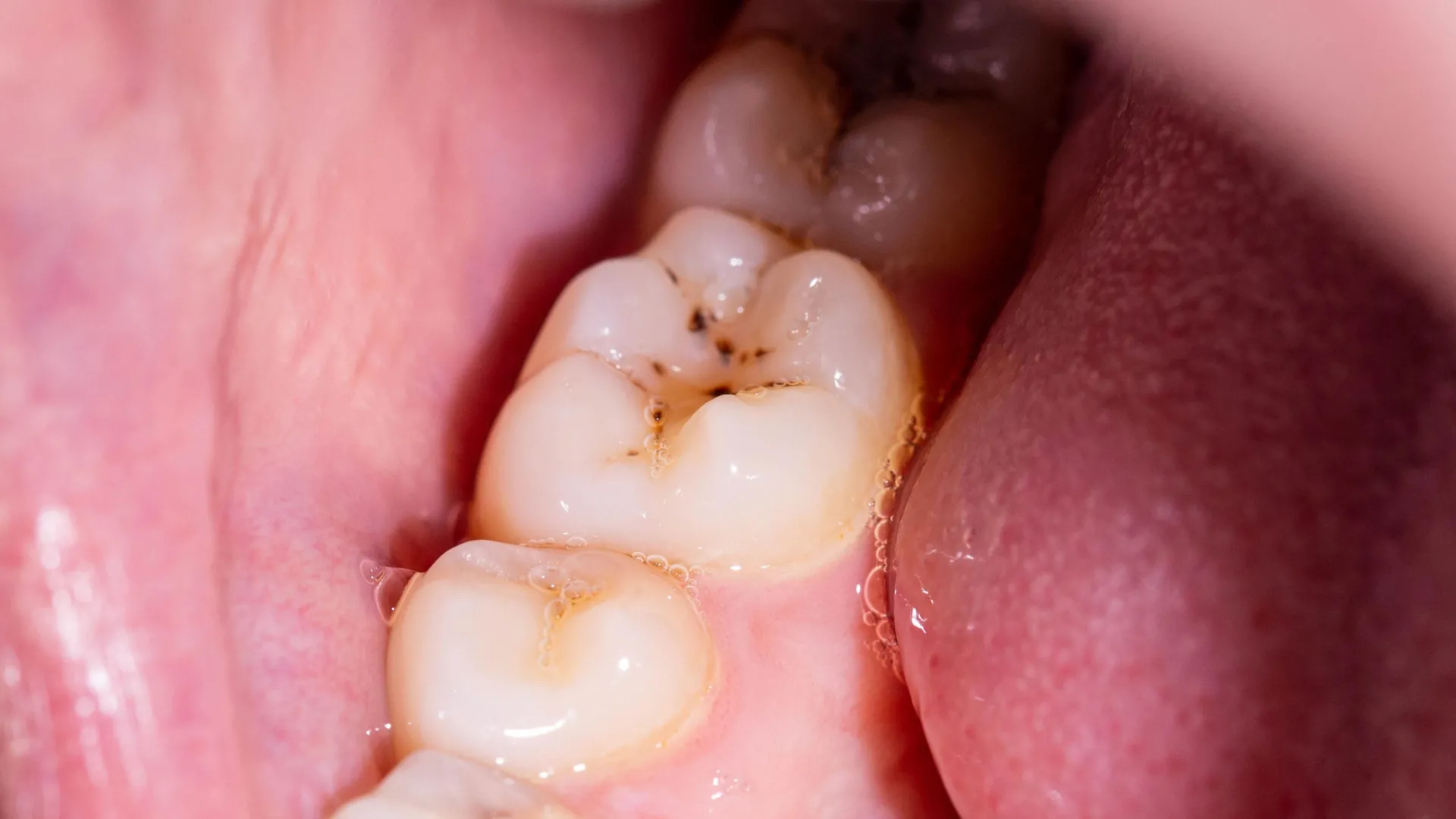
Scientists have developed a revolutionary gel that could regrow lost tooth enamel by harnessing minerals naturally found in saliva, potentially overcoming one of dentistry’s biggest limitations. The regenerated enamel behaves much like healthy enamel, raising hopes for a simple treatment that could repair damaged teeth, prevent decay, and reduce sensitivity.

📅 2026-11-05 11:37:26    •    ScienceDaily
Read Original Article →
Scientists solve 30-year-old mystery and discover a hidden defense against inflammation
Science News

Scientists solve 30-year-old mystery and discover a hidden defense against inflammation

Scientists have solved a decades-old mystery and uncovered a hidden immune system defense that protects healthy cells from the very inflammation meant to fight infections. The surprising discovery could lead to new approaches for treating cancer, inflammatory bowel disease, and other conditions involving excessive inflammation.

📅 2026-11-05 11:05:46    •    ScienceDaily
Read Original Article →
Fractal patterns reveal hidden limits to AI predictability
Science News

Fractal patterns reveal hidden limits to AI predictability

Researchers at the University of Sydney have identified a fundamental mathematical reason why artificial intelligence systems can learn different behaviors even when trained under almost identical conditions, a discovery that could help improve the reliability and trustworthiness of AI technologies.

📅 2026-11-05 10:00:04    •    Phys.org
Read Original Article →

Centuries-old cemetery helps scientists link climate shocks to Industrial Revolution disease
Science News

Centuries-old cemetery helps scientists link climate shocks to Industrial Revolution disease

During England's Industrial Revolution, when the country's farming-based economy transformed into an industrial one between roughly 1760 and 1840, pollution, harsh working conditions, inadequate housing and limited access to sunlight drove disease. Rickets, in which the growing skeleton fails to properly mineralize, was commonplace among children. Traditionally, urbanization, latitude and socioeconomic status were considered the main drivers. A factor that has largely been overlooked is climate.

📅 2026-11-05 05:00:06    •    Phys.org
Read Original Article →
Page 8of 203   •   4,859articles