Duct tape kept out more floodwater than sandbags in laboratory tests
Could a cheap roll of duct tape help protect your home from flooding? New research suggests it could make a surprisingly big difference.
Stay informed about scientific discoveries, research developments and new findings from around the world.
Could a cheap roll of duct tape help protect your home from flooding? New research suggests it could make a surprisingly big difference.
Developing stronger and tougher structural metals such as steel requires exploring an enormous range of processing conditions. Even for the same alloy composition, heat treatment can dramatically change the material's microstructure and mechanical properties. If there were a way to automate the process, we could pinpoint ideal conditions much more efficiently. However, experiments on bulk metallic materials are difficult to automate because they require handling solid specimens and integrating large, specialized equipment.
The researchers in the Quantum Detection Microscopy group at CIC nanoGUNE, in collaboration with chemists at CiQUS of the University of Santiago de Compostela, have demonstrated that adding or removing a single molecule from a quantum chain can fundamentally change its interaction with a superconductor.
In Philadelphia and many urban areas across the U.S. with sewer systems dating back to the 1800s, more frequent flooding is posing a threat not only to people and property but also to surrounding ecosystems. In these areas, stormwater and sewage drain into the same pipes, which are designed to spill into nearby waterways when flooding occurs rather than inundating streets.
The likely manipulation of citation numbers by research paper mills in high-impact cancer journals has been uncovered by an international team of academic researchers. Their findings point to an organized campaign to inflate citations on paper mill–produced journal articles published in established molecular oncology journals.
The Schiphol Clock, in Amsterdam’s airportPanther Media Global/Alamy Leap seconds, previously used to keep the world’s clocks in sync with Earth’s rotation, are to be abolished. Instead, universal time will be allowed to drift up to an hour from astronomical time before it is corrected. Representatives from 69 countries voted for the change on 15 October at a meeting of the International Bureau of Weights and Measures (BIPM) in Versailles, France. As the gap between clock time and astronomical time slowly grows, the effect will eventually be “like living on daylight saving time”, but permanently, says Emily Akkermans, curator of time at the Royal Observatory in Greenwich, London. For most of...
Last week, Australian Federal Police Commissioner Krissy Barrett warned artificial intelligence (AI) chatbots are not a sufficient replacement for human support for children. The comment was in response to a recent Adelaide University study that found more than one in three Australian children turn to AI chatbots for support when they are sexually victimized online or otherwise tell nobody at all.
Skeletal muscles grow and regenerate as individual precursor cells—called myoblasts—fuse into long fibers from which mature muscle fibers develop. How they coordinate this process and form functional muscles is not yet fully understood. A research team at the Max-Planck-Zentrum für Physik und Medizin (MPZPM) has now shown that mechanical stress influences the fusion of muscle cells.
Underground sewers that safely manage wastewater are essential to modern cities. However, since they are buried underground and difficult to access, their condition can be hard to monitor. Traditional camera inspections are costly and time-consuming, but we need regular inspections so aging pipes do not continue to deteriorate until they reach a breaking point. When damaged pipes leak, they can pose serious risks to public health by contaminating surrounding water, while more severe failures can even damage infrastructure above them, causing sinkholes in city streets.
Astronomers have discovered a star being torn apart by a massive black hole more than 1,000 parsecs from the center of its host galaxy. The tidal disruption event, TDE 2023mfm, was first discovered by ZTF and then studied with a wide range of telescopes, including Keck, Lick, Hubble, Swift, Chandra, XMM-Newton and the VLA. The discovery paper was posted to the arXiv preprint server on Sept. 28.
How can bodies adapt to survive environments completely different from the ones they evolved for?
A Florida State University–led review shows how ultrahigh-resolution mass spectrometry can help researchers identify the molecular fingerprints of human activity in water systems around the world.
We’ve studied the moon with robotic spacecraft for decades. What do human observers add? Artemis II’s first science results offer some answers.
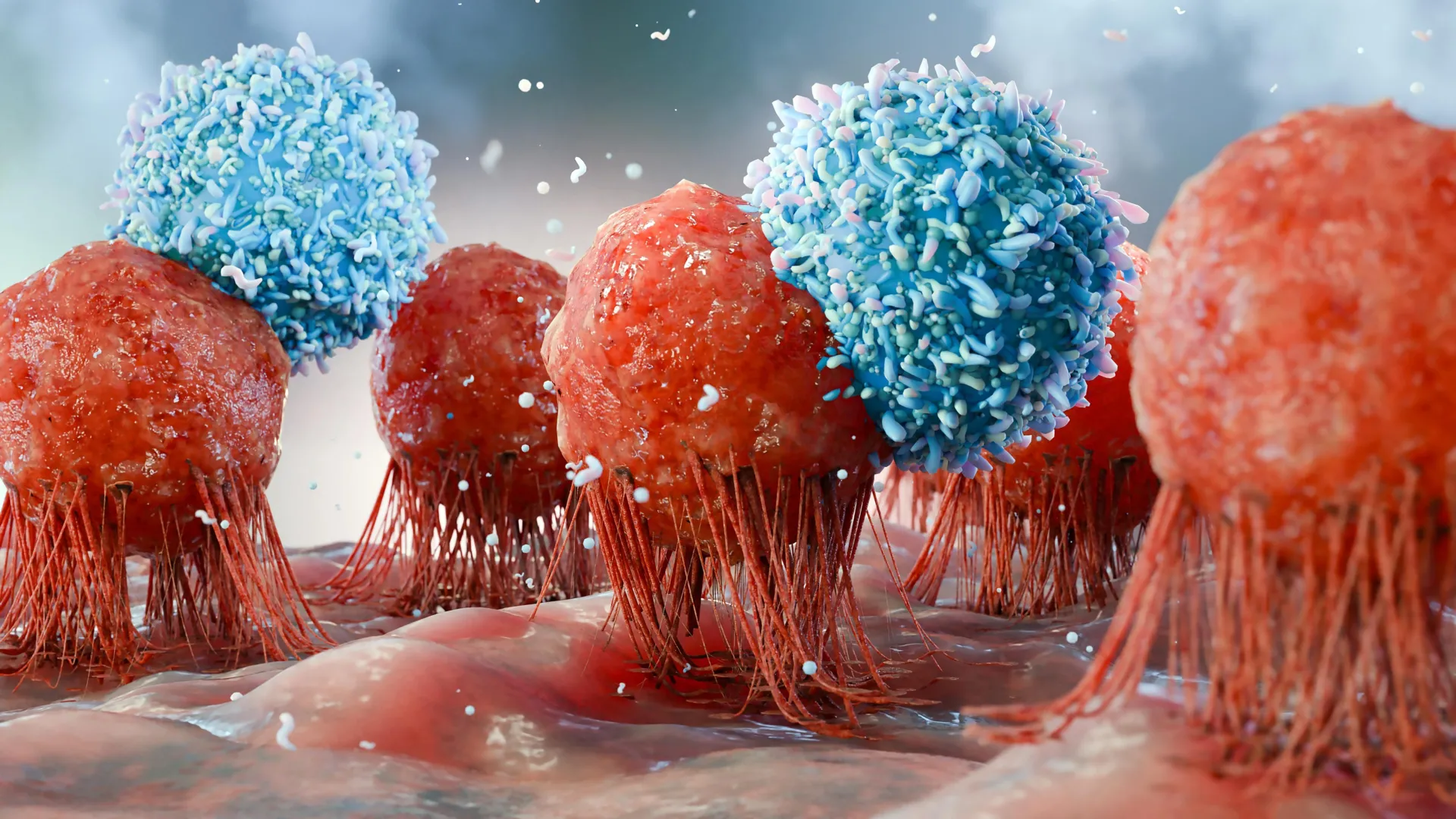
USC scientists have discovered a way to create a potentially renewable supply of genetically engineered immune cells that can attack cancer and strengthen the body's natural defenses. By growing and modifying immature immune cells rather than mature ones, researchers developed a system that can continuously produce tumor-fighting cells inside the body.
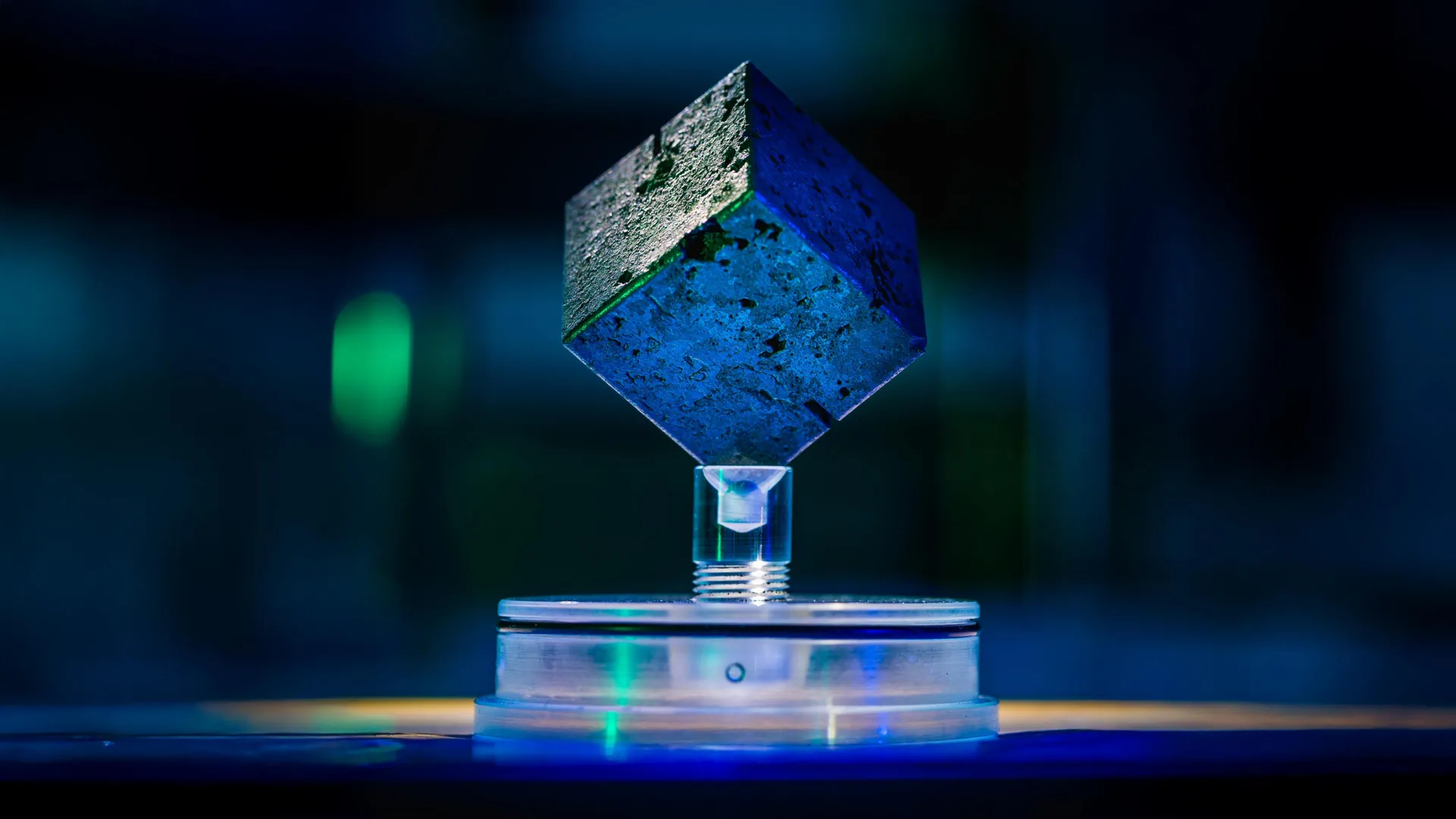
Scientists investigating Nazi Germany's secret nuclear program have uncovered evidence that its final experimental reactor was nowhere near as close to working as previously claimed. Analysis of surviving uranium cubes and wartime documents reveals that Germany lacked the enormous quantities of uranium and heavy water needed to make its reactor operational.
Solve the crossword from our November 2026 issue, in which we cultivate an understanding of growth curves.
You don’t need to sacrifice spookiness to keep real owls, bats and snakes safe
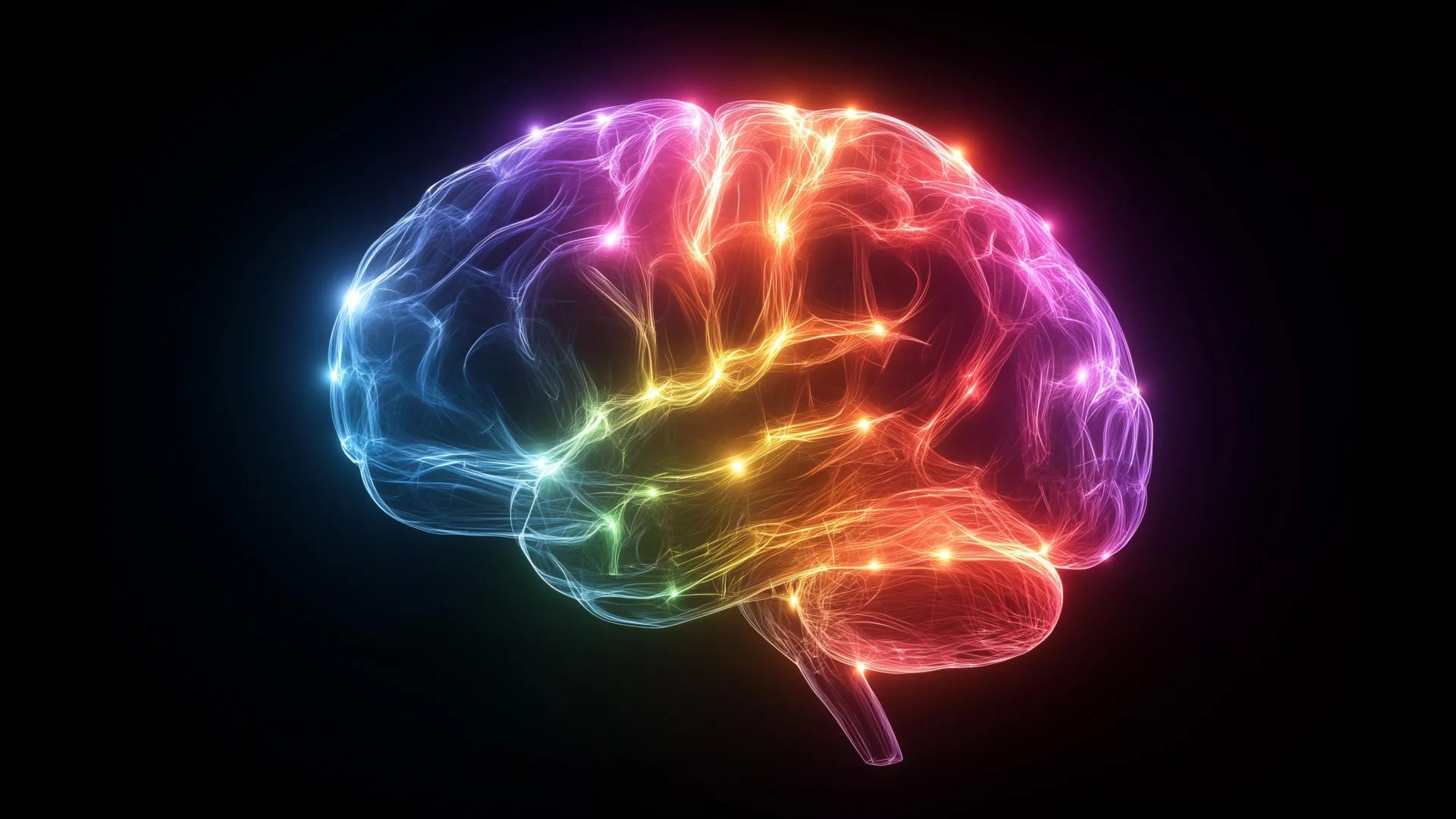
Yale scientists have uncovered how the stress hormone cortisol helps the brain turn emotional experiences into stronger, longer-lasting memories. The discovery reveals that stress can reshape communication between brain networks involved in emotion and memory, potentially explaining why certain moments are so difficult to forget.
Scientists have discovered that black holes of vastly different sizes appear to launch powerful jets according to the same universal rule. The breakthrough could explain why some black holes suddenly erupt years after devouring a star and help astronomers predict when these spectacular outbursts will happen.
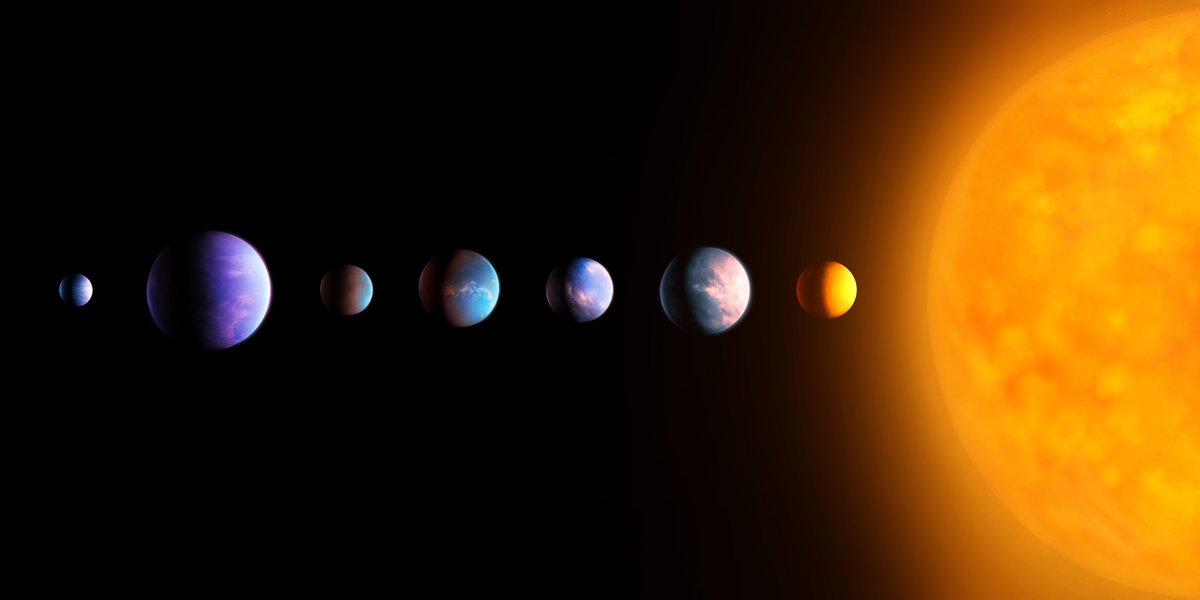
As far-fetched as it may seem, quirks of orbital mechanics could allow hundreds of planets to be packed around a star
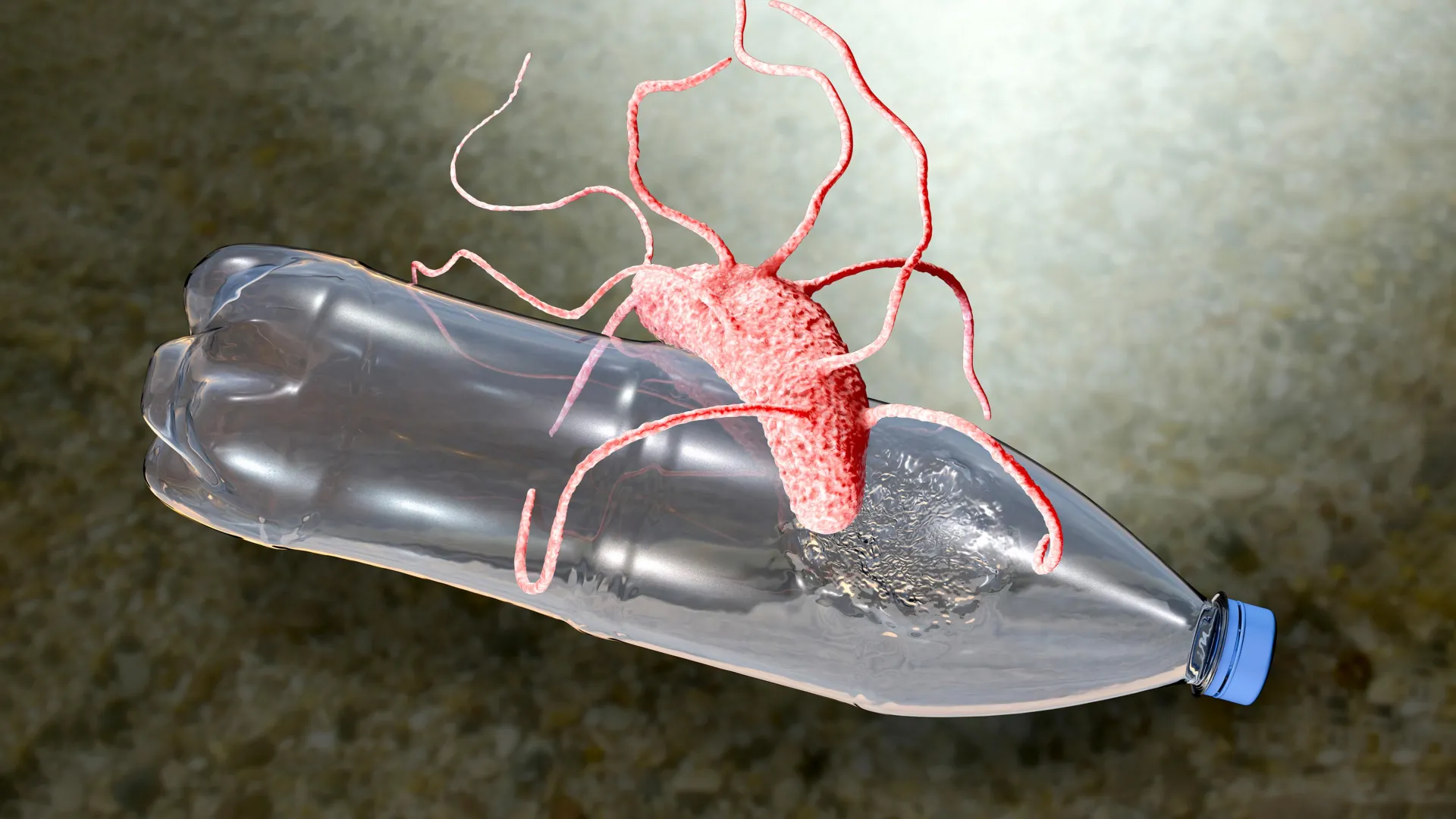
Scientists have discovered a remarkable “Pac-Man enzyme” that helps bacteria devour certain types of plastic and may offer new hope in the fight against plastic pollution. Researchers found that several biodegradable plastics completely broke down in soil within about a year, while conventional plastic remained largely unchanged.
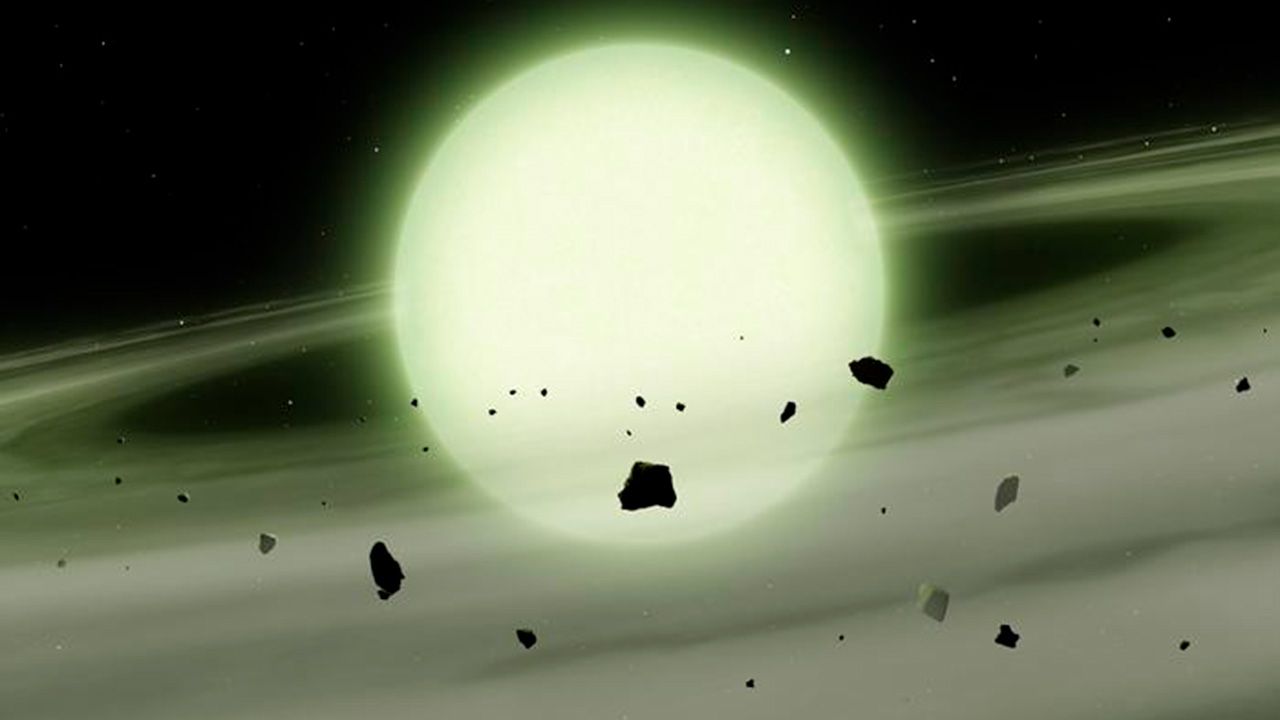
Stellar cores called white dwarfs come in an astonishing array of colors, including what scientists say is the first known green star and the reddest star ever found, new research reveals.A white dwarf star is the dense, cooling core that remains after a low- to medium-mass star runs out of fuel. The new study, published Thursday (Oct. 15) in the journal RAS Techniques and Instruments, shows that white dwarfs come in far more colors than their name suggests.White dwarf stars got their moniker because the first known examples glowed in either white or pale blue. The new study, however, suggests that "white" dwarfs also emit visible-light colors like pink, green, cyan, purple and yellow."Most ...
Experts unpack the science of screen addiction and how to build a healthier relationship with technology
Future Arctic winter sea ice is likely to shrink by around 1 million square kilometers (386,000 square miles) more than previously thought, after researchers used clues from a warm period 6,000 years ago to improve the reliability of climate models.