Can a positive mindset protect us from the sniffles?
If you’re trying to avoid the worst of cold and flu season, looking after your mind can help shape your immune system, finds columnist David Robson
Stay informed about scientific discoveries, research developments and new findings from around the world.
If you’re trying to avoid the worst of cold and flu season, looking after your mind can help shape your immune system, finds columnist David Robson
AI has taken huge strides in computer programming and mathematics – physics could be next
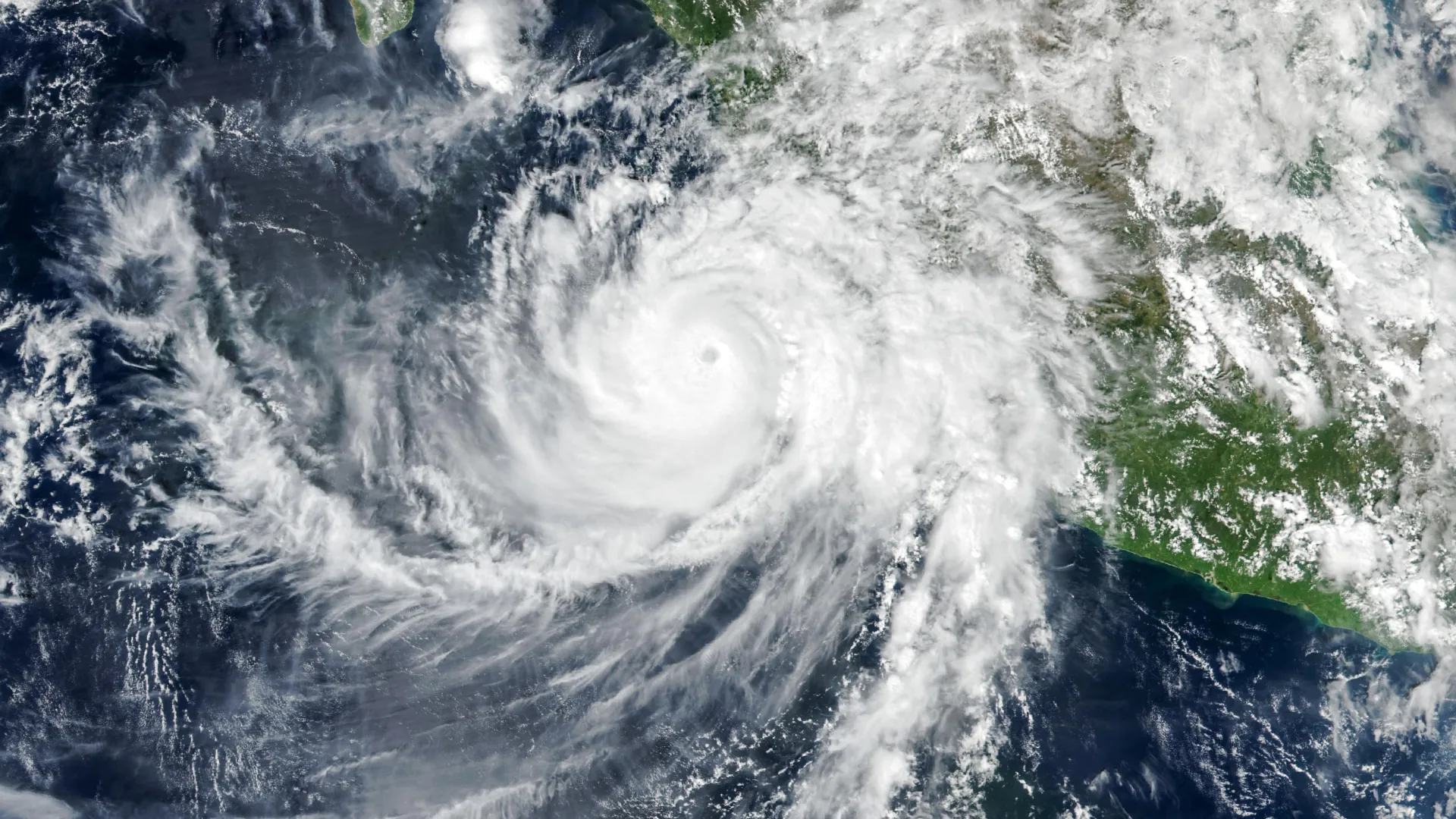
As Hurricane Simon unleashed destructive winds and flooding along Mexico’s coast, NASA satellites captured an extraordinary sight: massive atmospheric waves rippling high above the storm. The rare images reveal how powerful hurricanes can disturb the upper atmosphere, creating patterns that are usually invisible from space.
The decisive penalty kick in a final, match point in tennis or the last attempt in a competition: When a lot is at stake, even a well-practiced performance can suddenly break down. Yet pressure does not necessarily impair performance. Some people perform at their best precisely in the moments that matter most. Existing accounts can only partly explain why.
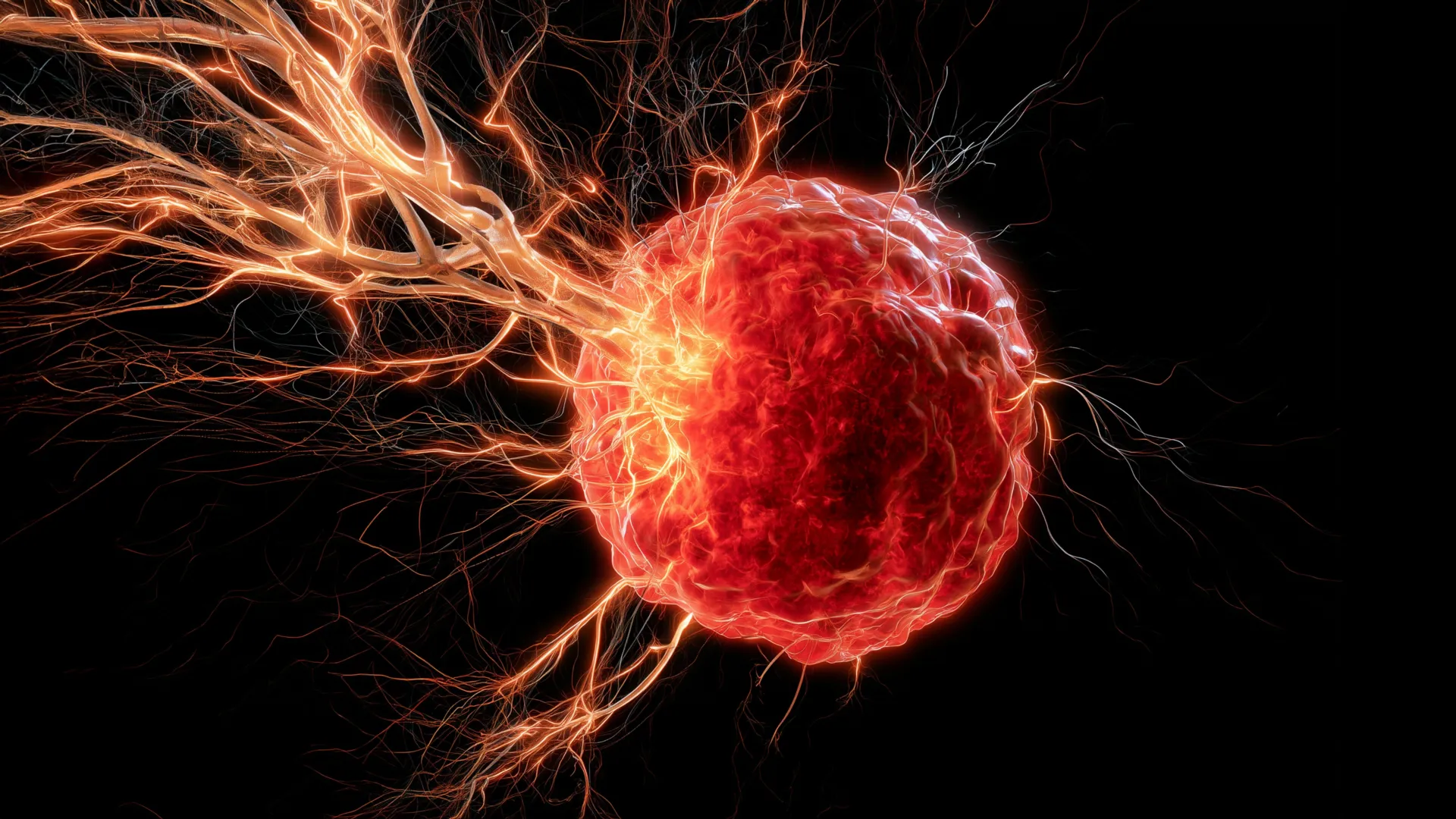
Scientists have discovered how to turn a protein that normally fuels cancer growth into a weapon against it. By activating PPARD in immune cells, researchers made them better at burning fat and attacking tumors, slowing or stopping cancer growth in laboratory experiments. The approach showed promise against colorectal, breast, and ovarian cancers, as well as melanoma.
Scientists discovered that atomic steps just one atom high can guide quantum vortices through superconductors, making them move more than 1,000 times more easily in one direction than another. This remarkable control over quantum motion could lead to a new generation of ultra-efficient superconducting electronics.
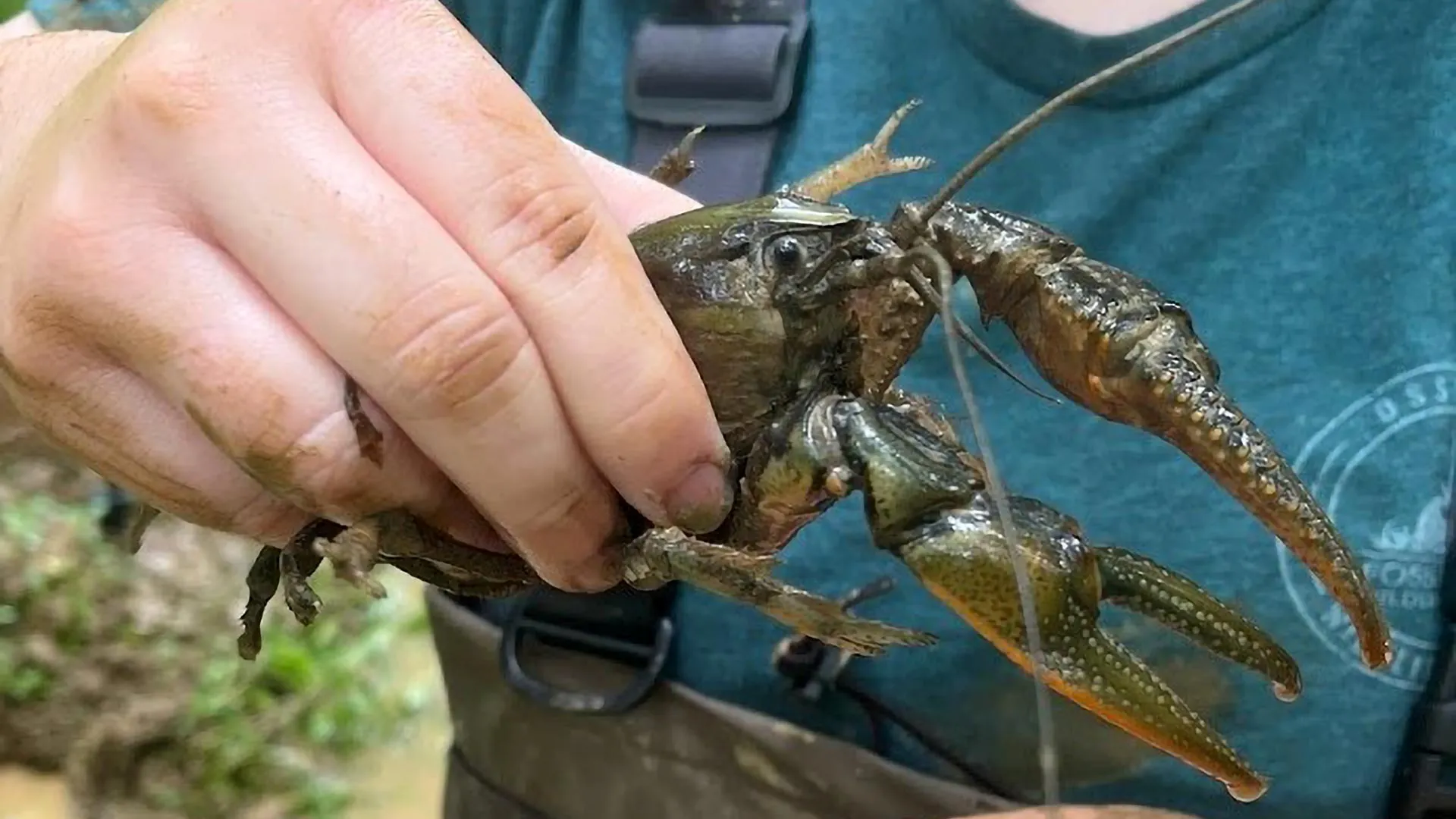
A nationwide search for giant crayfish uncovered a record-breaking Tennessee specimen and a surprising mystery about how big these freshwater creatures can grow. Scientists found that North American crayfish seem to hit a biological size limit, possibly because of their muscles or protective shells.
In 2023, professor Damian Helbling was getting a lot of calls and emails from local residents. The Environmental Protection Agency (EPA) had just announced regulations to limit per- and polyfluoroalkyl substances (PFAS)—some of which have been linked to cancers and other negative health effects—in drinking water. Ithacans and others in the region wanted to know about levels in the ponds, lakes, streams and creeks in their proverbial backyards.
For more than 20 years, Canada's Species at Risk Act (SARA) has protected wildlife that are at risk of being lost from Canadian lands and waters. Once a species is listed as extirpated, endangered or threatened under the act, it becomes illegal to kill, harm or capture it or damage its residences. Its critical habitat must also be protected, at least on federal land.
Manhattan's Upper West Side has been reveling in the company of its latest celebrities: A family of barn owls nested in a water tower atop a building near Central Park.
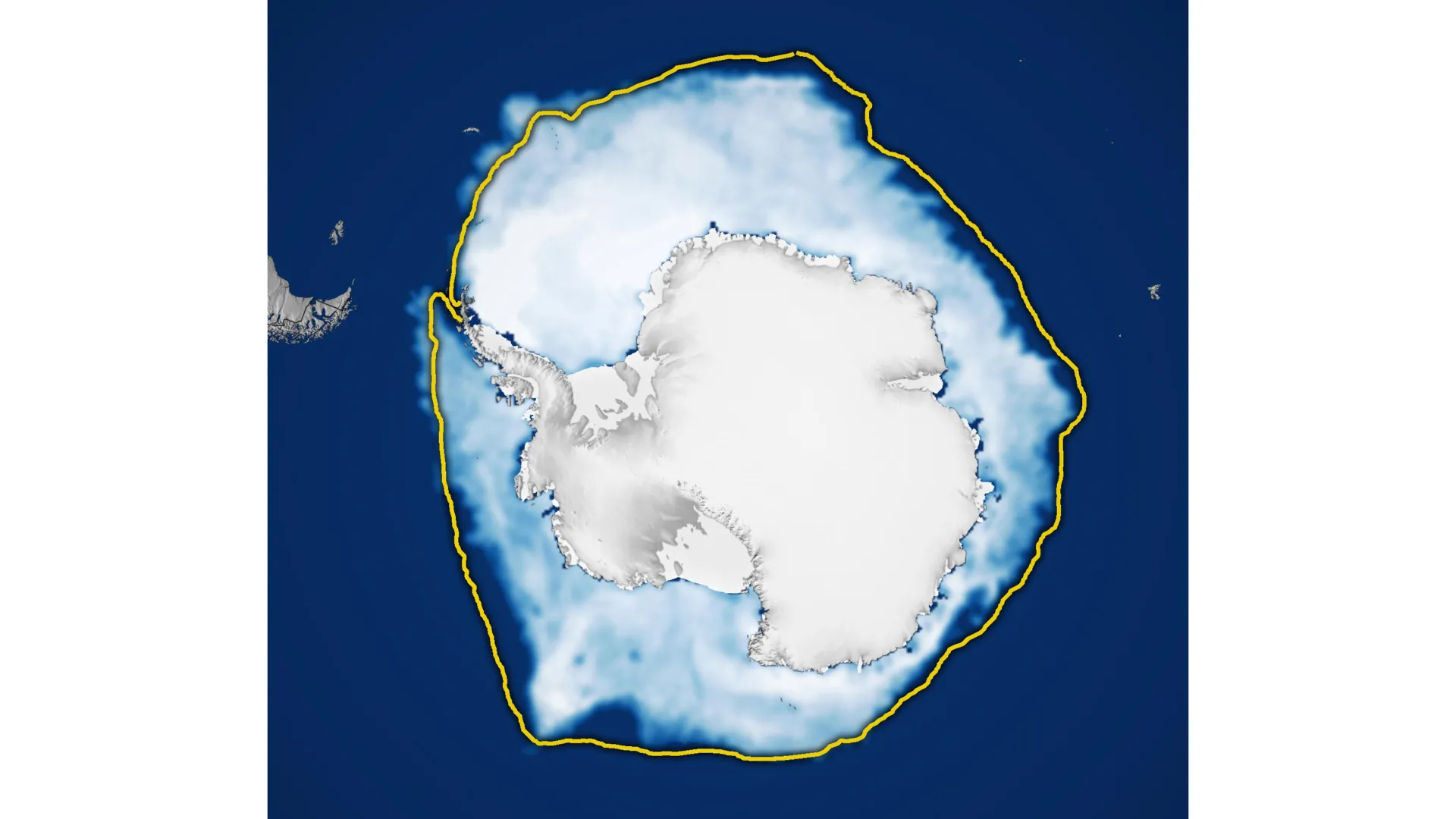
Antarctic sea ice reached its third-lowest winter maximum in 2026, extending a remarkable decline that began after years of record-breaking growth. Scientists are investigating whether the dramatic reversal signals a long-term shift in Antarctica's frozen landscape.
Scientists have learned a lot about what happens to the human body as we age. But there's still much to learn about how other species age, including dogs. Even carrying extra weight could affect a dog's cognitive health. Alexandra Genualdi, a student at Oklahoma State University who presented her research in September at the American Physiological Society's 2026 Comparative Physiology conference in Orlando, talks about her efforts to learn more.
Scientists have uncovered a hidden biological mechanism that helps explain how exercise can reverse some of the damage caused by muscle aging. The key is a gene called DEAF1, which becomes overactive with age and interferes with the muscles’ ability to clear damaged proteins and repair themselves. Exercise can help restore this balance, allowing older muscles to rebuild and regain strength, although the benefits may diminish when the system becomes too disrupted.
Female protagonists in animated films have come a long way over the past several decades. Take the 1959 movie "Sleeping Beauty": Soft-spoken and vulnerable, Princess Aurora is cursed as an infant by the evil fairy Maleficent and ultimately saved not by her own wits, but by a prince's kiss.
Researchers at the University of Miami have identified a group of previously unknown viruses that bridge an evolutionary gap between viruses and cellular protein compartments, a discovery with implications for both biotechnology and scientists' understanding of the origins of life.
NASA's Artemis II mission sent four astronauts around the moon and brought them safely back to Earth, laying a foundation for crewed flights to the moon's surface.
Expanded excavations at White Sands National Park in New Mexico have provided researchers an opportunity to refine the age of the oldest human footprints in North America and establish a deeper understanding of the landscape and environmental conditions at the time humans were present there.
Researchers have created a detailed, animated 3D model of the imperial woodpecker (Campephilus imperialis), a spectacular bird that has not been confirmed in the wild since 1956. The model, built from a museum specimen and the only known film footage of the living bird, is freely available to scientists, educators and the public.
The open ocean is a dynamic environment, where food is patchy, predators are plentiful, and oceanographic conditions change constantly. Life in the pelagic environment—the offshore waters that extend from the sunlit surface through the twilight zone—requires unique adaptations for survival.
The size of a nucleus (nuclear charge radius) is an important physical quantity that reflects the arrangement of protons and neutrons within the nucleus. Particularly in deformed nuclei, such as those of rare-earth elements, examining changes in the charge radius can deepen our understanding of nuclear structure and nuclear deformation.
A new study of young tectonic landforms on the moon offers the most detailed estimate yet of how much the moon has contracted as its interior gradually cooled over time.
A University of Portsmouth scientist has helped lead a major global study, which finds that 44% of the world's reef-building coral species are now threatened with extinction—and warns the true figure is likely to be even higher.
A study led by Nekehia Quashie, an assistant professor of public health in the University of Rhode Island's College of Health Sciences, examined how different African American age groups felt about the responsibility of supporting older adults.
To produce pharmaceuticals, food ingredients, and flavors and fragrances, it is often necessary to oxidize alcohols. In conventional chemistry, this transformation typically relies on harsh oxidants and elevated temperatures and generates toxic waste.